

How to Use Matcha Powder Safely and Its Health Benefits
Matcha powder health benefits are backed by solid research, but the hype can be confusing. Below are five clear steps to help you enjoy matcha safely, get the most out of its nutrients, and avoid common pitfalls.
We analyzed 71 comments and questions from Reddit, YouTube and Quora about matcha powder Health benefits and found that 30% mentioned increased energy.
Step 1: Understand What Matcha May and May Not Do
Matcha is a fine, bright‑green powder made from shade‑grown tea leaves. Because you consume the whole leaf, you get more caffeine, theanine, and catechins than you would from a regular steeped cup. Wikipedia notes that the shade‑growing process boosts chlorophyll and amino acids, giving matcha its signature color and flavor.
Small studies suggest a regular serving of matcha may support focus and calm alertness, mostly thanks to theanine working alongside caffeine. Catechins are antioxidants, and researchers are still studying how much they help in everyday diets.
But not every claim holds up. Some studies link matcha to lower blood pressure, yet the evidence is moderate at best. And because matcha contains caffeine (roughly 70 mg in a 2 g teaspoon, depending on the product), people sensitive to stimulants should start with a small scoop.
Bottom line: matcha can give you a gentle, focused lift, but its impact on heart health and weight loss remains less certain.
We recommend checking out our Matcha Green Tea Powder Benefits Explained guide for a deeper look at the science.

Step 2: Choose a Sensible Serving and Check the Label
Most studies use 1 to 2 g per day (roughly a level teaspoon). That amount gives you enough catechins for antioxidant effect without overwhelming caffeine.
When you shop, look for “ceremonial grade” or “organic” labels. Ceremonial grade comes from younger leaves, which are less bitter and richer in theanine.
AP Health Wellness Hub sells a ceremonial matcha powder, stone‑ground from shade‑grown leaves sourced from Japan. Shop ceremonial matcha powder →
Read the label for caffeine per serving. If you’re pregnant, nursing, or have a heart condition, talk to a clinician before exceeding 2 g daily.
Pro Tip: Once opened, keep matcha sealed in an airtight container in a cool, dry place away from sunlight, and use it within 3 months.
Step 3: Prepare Matcha Simply for Everyday Use
Making matcha is quick once you have the right tools. You’ll need a small bowl, a bamboo whisk (chasen), and hot water just below boiling (about 175°F).
Sift 1 g of powder into the bowl to avoid clumps. Add 60 ml of water, then whisk in a “W” motion until frothy. The result is a smooth, slightly sweet drink that’s low in calories.
Beyond tea, matcha blends well into smoothies, oatmeal, or baked goods. Because it’s a powder, you can whisk it straight into almond milk for a creamy latte. Just remember that dairy can mute some antioxidant activity, so plant‑based milks often give the best boost.
Matcha’s catechins have antioxidant activity, and lab research on matcha and sencha has looked at how those compounds hold up during digestion.
Key Takeaway: A simple whisk, the right water temperature, and a modest serving are all you need to start reaping matcha’s benefits.
Step 4: Fit Matcha Into a Balanced Daily Routine
Matcha works best when paired with other healthy habits. Start your morning with a cup to boost alertness, then pair it with a protein‑rich breakfast to smooth out the caffeine spike.
If you train, a cup before a workout can give you a gentle caffeine lift. Keep it to your usual serving and time it so it doesn’t affect your sleep.
If you’re watching sugar, skip café‑style lattes that load on syrups. Instead, blend matcha with unsweetened nut milk and a pinch of cinnamon for flavor without the extra calories.
Finally, remember that matcha is just one piece of a broader nutrition puzzle. Pair it with a balanced diet rich in whole foods, stay hydrated, and get regular sleep.
Step 5: Monitor Your Response and Use Matcha Safely
Start with a single gram per day for a week. Note how you feel: energy levels, sleep quality, and any digestive changes. If you experience jitteriness, cut back to half a gram or switch to a lower‑caffeine green tea.
People on blood‑pressure meds or anticoagulants should watch for interactions. Green tea extracts have been linked to rare liver issues, but plain matcha powder at normal food amounts is generally well tolerated.
Pregnant or breastfeeding readers are usually advised to keep total caffeine under 200 mg per day from all sources, so ask your clinician how much matcha fits within that limit.
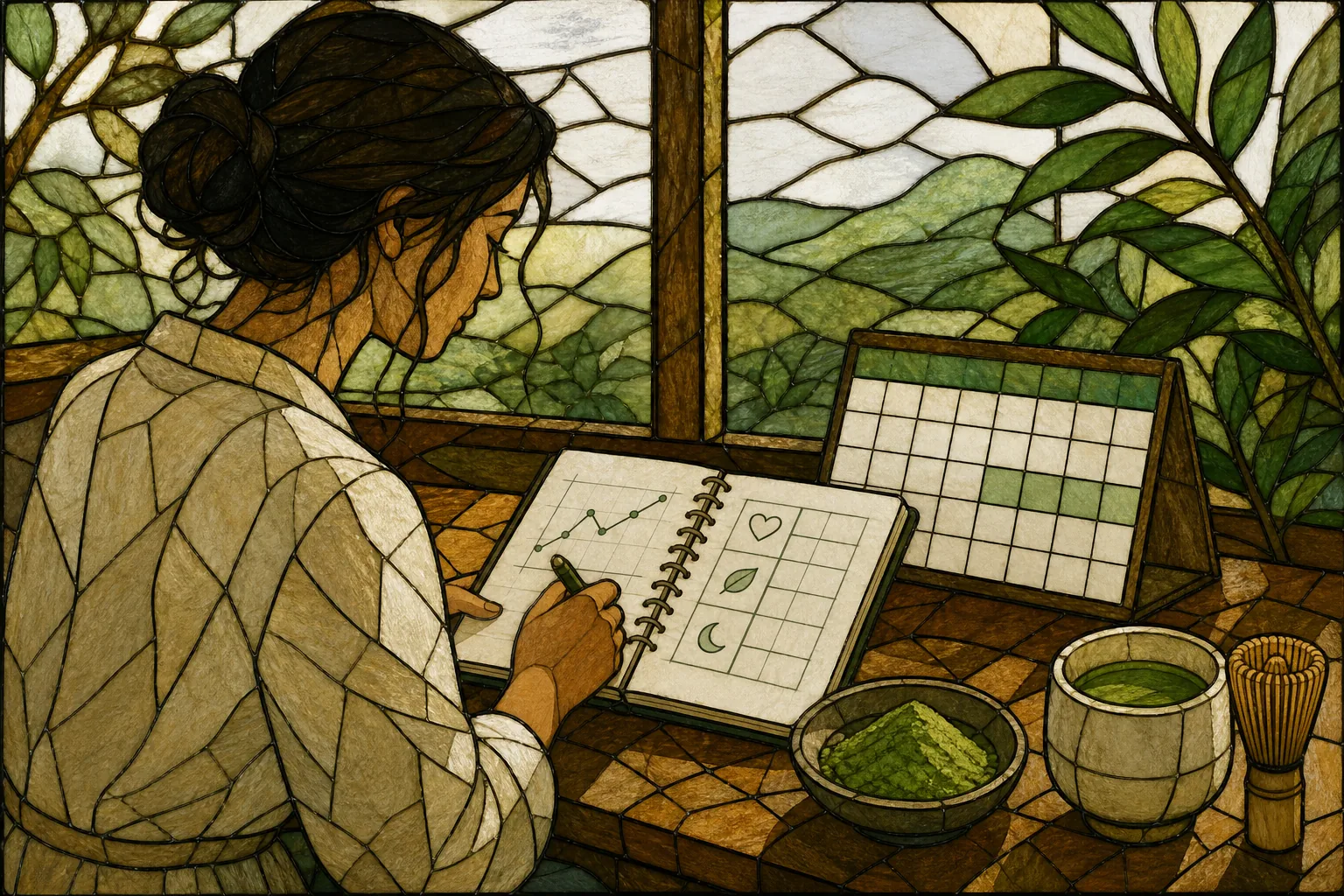
Keep a simple journal: record the time you drink matcha, the amount, and any noticeable effects. Over a month you’ll see patterns, maybe you sleep better when you sip in the afternoon rather than evening.
When you feel confident about your dose, you can explore complementary products from AP Health Wellness Hub, like our fast‑dissolving oral collagen strip for skin health. You can also read our guide to green tea for weight loss: benefits, uses and limits.
Frequently Asked Questions
Can I drink matcha every day?
Yes, most healthy adults can enjoy a daily 1 to 2 g serving. It provides antioxidants and a gentle caffeine lift without the crash of coffee.
Is matcha safe for people with caffeine sensitivity?
If you’re sensitive, start with half a gram and see how you feel. You can also choose a lower‑caffeine green tea or limit consumption to the morning.
Does matcha help with weight loss?
Matcha may modestly boost metabolism thanks to catechins, but it isn’t a magic fat‑burner. Pair it with a balanced diet and regular activity for best results.
What’s the difference between ceremonial and culinary grade?
Ceremonial grade comes from the youngest leaves, has a sweeter taste, and higher theanine. Culinary grade is made from older leaves, is more bitter, and works well in recipes.
Can I combine matcha with other supplements?
Yes, but check for caffeine or catechin interactions. For example, high‑dose green‑tea extracts can affect liver enzymes, so avoid stacking them with matcha.
How should I store opened matcha?
Keep it sealed in an airtight container in a cool, dry place away from sunlight, and use it within 3 months of opening for the best color and flavor.
Ready to add a potent, antioxidant‑rich brew to your day? Start with a modest serving of ceremonial matcha from AP Health Wellness Hub, track how you feel, and adjust as needed. Shop our matcha collection now and make it a simple habit.