

Green Tea Weight Loss: Benefits, Uses, and Limits
Green tea is one of the most talked‑about drinks for trimming waistlines. People sip it hoping for a boost in metabolism without a strict diet.
Below we break down what’s inside the leaf, how the body reacts, safe ways to add it to your routine, and where the hype falls short.
We pulled three published meta-analyses of randomized trials on green tea and body weight, covering 35 trials in total. A 2024 analysis of 10 trials with 476 participants found only a small effect on weight and BMI when green tea was paired with exercise. A 2012 Cochrane review of 14 trials found the pooled weight loss outside Japan was just 0.04 kg, well short of a noticeable change. These numbers back the case for pairing green tea with exercise and diet rather than expecting the tea alone to move the scale.
What Green Tea Contains and How It May Affect Weight
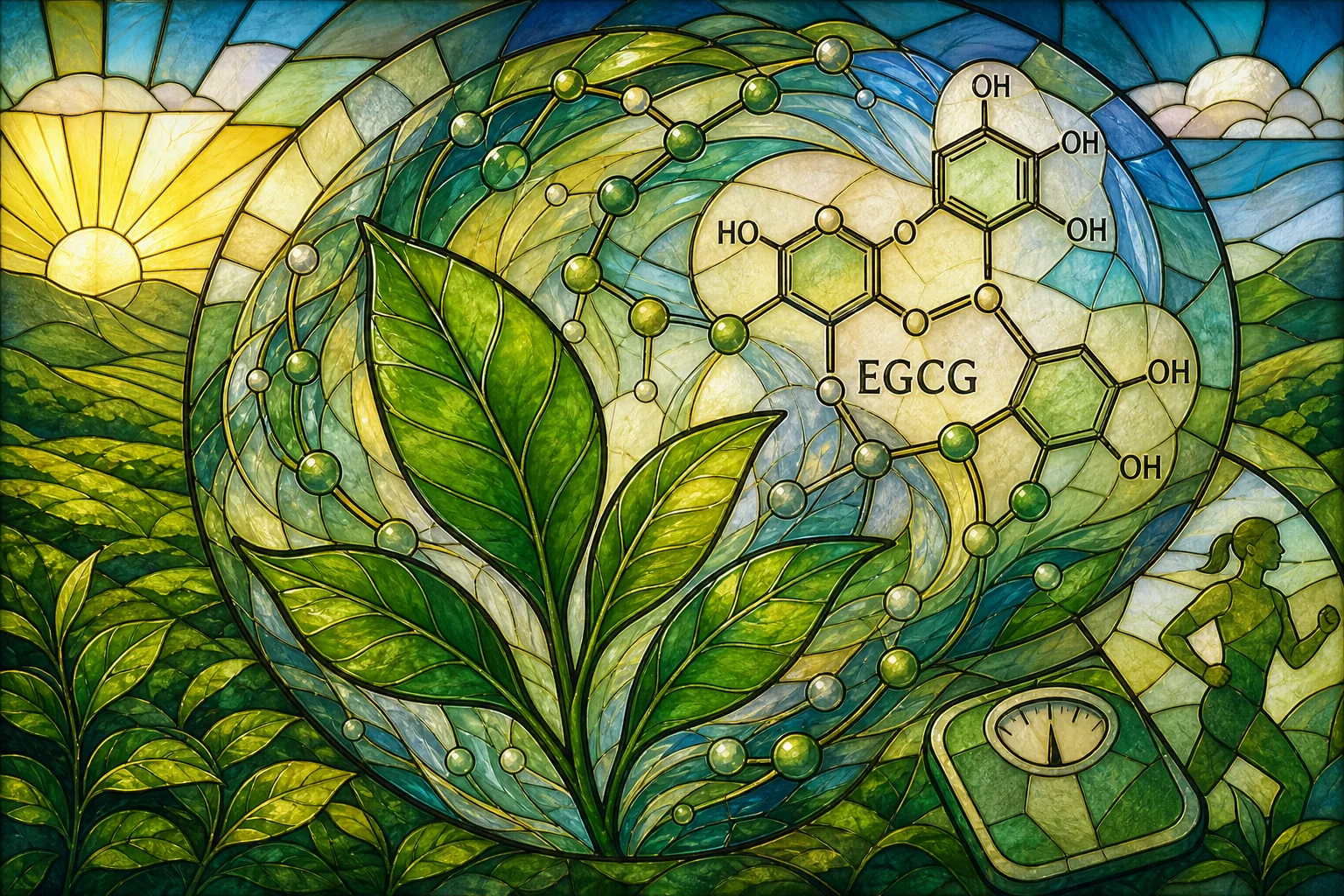
Green tea is packed with polyphenols called catechins. The most active catechin is epigallocatechin‑3‑gallate (EGCG). EGCG can increase thermogenesis, the process that turns food into heat, and modestly raise fat oxidation during low‑intensity activity.
Besides EGCG, the brew delivers about 20‑30 mg of caffeine per cup. Caffeine works with EGCG to lift energy expenditure a bit higher than water alone. The combination is why many studies link green tea to small weight‑loss effects.
Research suggests that adding green tea to an exercise program may provide a modest additive benefit for body weight and BMI when paired with exercise. The effect isn’t dramatic, but over months it can add up if you stay consistent.
Bottom line: the leaf’s catechins and caffeine give a slight metabolic edge, but they won’t replace a balanced diet.
What the Evidence Says About Green Tea Weight Loss
Clinical trials show mixed results. Some report a 1‑kg average loss after months of drinking three to four cups daily, while others find no change compared with a placebo.
Green tea extracts can contain higher EGCG doses than a typical cup of brewed tea (research).
Observational data from large Asian cohorts suggest that drinking four or more cups a day is linked with lower abdominal fat in women, yet the same pattern isn’t seen in men. This gender gap may reflect hormonal differences or lifestyle factors that accompany tea consumption.
Bottom line: green tea can aid weight loss, but the benefit is modest and depends on dose, gender, and whether you pair it with exercise.
For a deeper dive on how green tea stacks up against other natural weight‑loss aids, on best weight loss supplements for women. It walks you through choosing safe, evidence‑based options.
How to Use Green Tea in a Sustainable Weight‑Management Routine
Start with a simple brewing habit. Use one teaspoon of loose leaf or one tea bag per 8 oz of water heated to about 160 °F (70 °C). Steep for 2 to 3 minutes, then enjoy.
Timing matters. Drinking green tea in the morning or right before a workout can use caffeine’s energy boost and EGCG’s thermogenic effect. If you prefer a calm afternoon sip, choose a decaf or lower‑caffeine blend to avoid jitteriness.
Aim for 2 to 4 cups daily. That provides roughly 40 to 120 mg of caffeine, staying within safe limits for most adults. Exceeding 5 cups may raise the risk of insomnia or digestive upset.
Combine the tea with a balanced diet. Swapping sugary drinks for unsweetened green tea can shave 30 to 50 calories per day, which adds up over weeks.
When you’re ready to try a different preparation, consider a high‑quality powdered green tea product. Follow the product’s serving instructions.
Check out Powdered Green Tea Benefits Explained for a quick guide on selecting a reputable product.
Brewed Green Tea, Powdered-Leaf Tea, and Extracts: What’s Different?
Brewed tea is the most common form. You steep the leaves, then discard them. A typical cup supplies about 25 to 75 mg of catechins and a modest caffeine hit.
Powdered-leaf tea is made from powdered leaves. When you whisk it into water, you ingest the fiber, vitamins, and the full catechin load, roughly 200 mg of EGCG per serving. This makes powdered-leaf tea a more potent option for those targeting a stronger metabolic push.
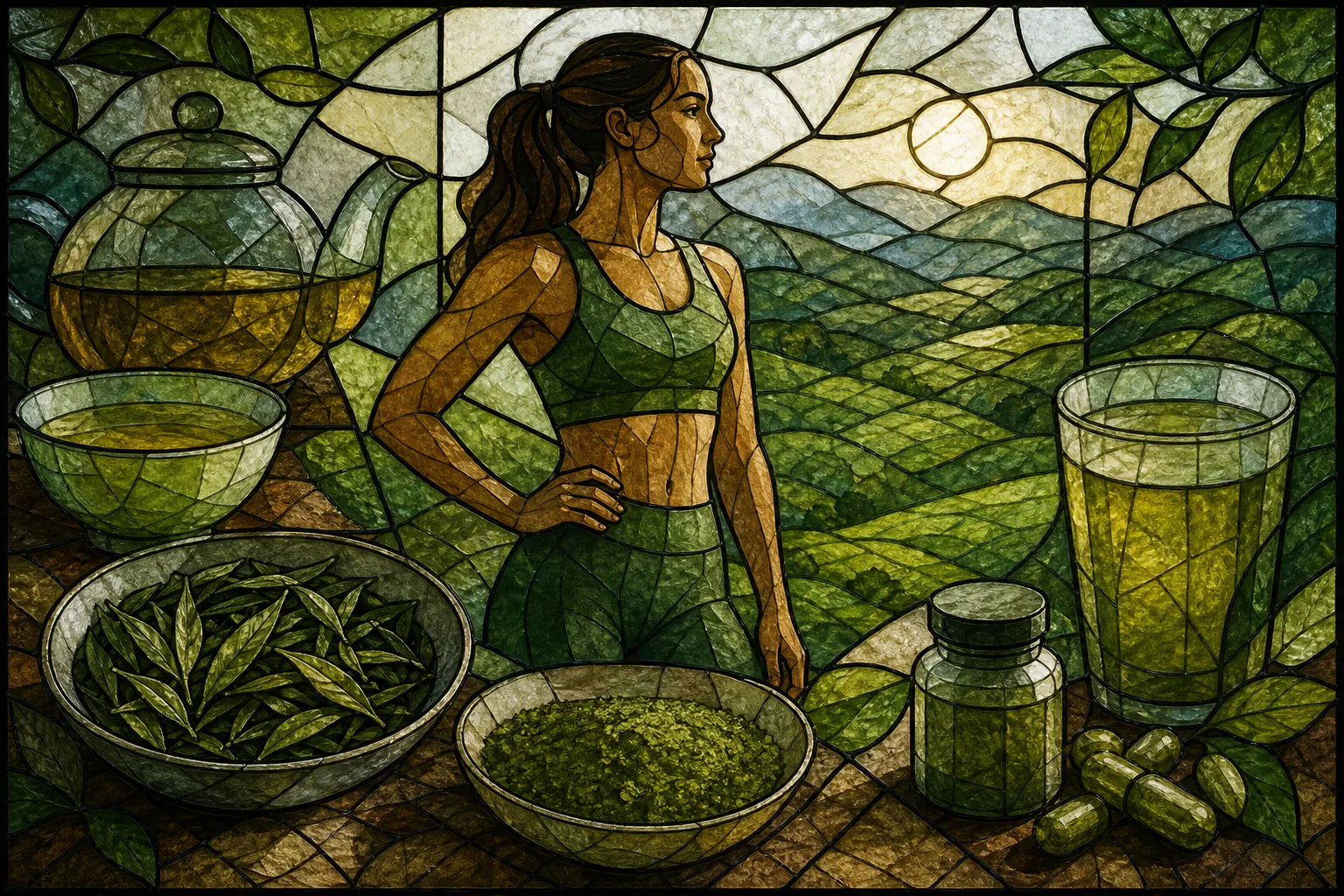
Extracts concentrate catechins into capsules or powders. They can deliver 300 to 500 mg of EGCG per dose, far above what a cup provides. However, high‑dose extracts have been linked to rare liver‑enzyme elevations, especially when taken without food.
Below is a quick comparison:
| Form | EGCG (mg per serving) | Caffeine (mg) | Safety notes |
|---|---|---|---|
| Brewed tea | 25‑75 | 20‑30 | Very safe for most adults |
| Powdered-leaf tea | ≈200 | ≈70 | Watch for excess caffeine if sensitive |
| Standardized extract | 300‑500 | Variable | Potential liver stress; useunder300 mg EGCG daily |
For most people, brewed tea or powdered-leaf tea gives a good balance of benefit and safety. Reserve extracts for short‑term use under professional guidance.
Our own wellness supplement line includes a certified, low‑dose green tea extract that stays under the liver‑safety threshold.
Safety, Side Effects, and Common Green Tea Weight‑Loss Mistakes
Green tea is generally safe, but a few cautions apply. The caffeine can cause jitteriness, elevated heart rate, or sleep trouble if you drink it late in the day.
High‑dose extracts (over 300 mg EGCG per day) have been associated with temporary liver‑enzyme spikes in rare cases. If you use concentrated extracts for more than a few weeks, consider discussing liver‑function monitoring with a healthcare professional for more information.
Common mistakes include:
- Expecting rapid weight loss from tea alone.
- Choosing sweetened bottled versions that add calories and sugar.
- Drinking green tea on an empty stomach, which can increase stomach acidity for some people.
- Over‑consuming caffeine from multiple sources (coffee, soda, energy drinks) while also drinking several cups of tea.
Bottom line: treat green tea as a supportive habit, not a miracle cure. Pair it with regular movement and a balanced diet for the best chance at lasting results.
FAQ
Can green tea alone cause significant weight loss?
No, green tea alone produces only a modest calorie‑burn boost. Most studies show a loss of about 0.5 to 1 kg over several months when combined with diet and exercise.
How much green tea is safe to drink each day?
Two to four cups a day (about 40 to 120 mg of caffeine) is safe for most adults. Exceeding five cups may lead to insomnia or digestive upset.
Is matcha better than regular brewed green tea for weight loss?
Matcha delivers more catechins per serving, so it can give a stronger metabolic push. However, the higher caffeine content means some people may feel jittery if they’re sensitive.
Are green tea extracts safe?
Extracts are safe at low doses (under 300 mg EGCG daily). High doses have been linked to rare liver‑enzyme elevations, so it’s best to use them under professional guidance.
Does green tea affect appetite?
Research shows mixed results. Some animal studies suggest a mild appetite‑suppressing effect, but human trials have not confirmed a consistent impact.
Can I drink green tea if I’m pregnant?
Pregnant people should limit caffeine to under 200 mg per day. One to two cups of decaffeinated green tea is generally considered safe, but check with a health provider.
Ready to add a steady dose of green tea to your day? Start with a simple brew, track how you feel, and adjust the amount to stay comfortable.
For a quick, low‑caffeine option, try our unsweetened green tea supplement line and pair it with a balanced meal plan.
Ready to put this into practice? AP Health Wellness Hub was built for exactly this.