

Matcha Green Tea Powder Benefits Explained
Matcha delivers a burst of antioxidants, calm focus, and gentle metabolic help. Below we break down how it works, where it shines, and what to watch for.
What Is Matcha Green Tea Powder?
Matcha is a fine, bright‑green powder made from shade‑grown Camellia sinensis leaves that are stone‑ground into a talc‑like texture. The shading process boosts chlorophyll, theanine, and caffeine while keeping the leaf intact, so you consume the whole leaf when you whisk it into water.
Because you drink the leaf, matcha packs more catechins, especially epigallocatechin‑3‑gallate (EGCG) , than a typical steeped green tea. The high catechin load gives matcha its strong antioxidant reputation.
AP Health Wellness Hub offers a ceremonial‑grade matcha that meets these standards: vivid green color, fine texture, and a balanced amino‑acid profile. Our ceremonial matcha powder provides the same bioactive mix that researchers study.
Researchers note that matcha’s unique composition stems from the traditional cultivation method, which includes covering the tea bushes with bamboo mats for weeks before harvest. This shade‑growing creates higher levels of theanine and chlorophyll, giving matcha its umami taste and bright hue.[source]
Antioxidant and Anti‑Inflammatory Support
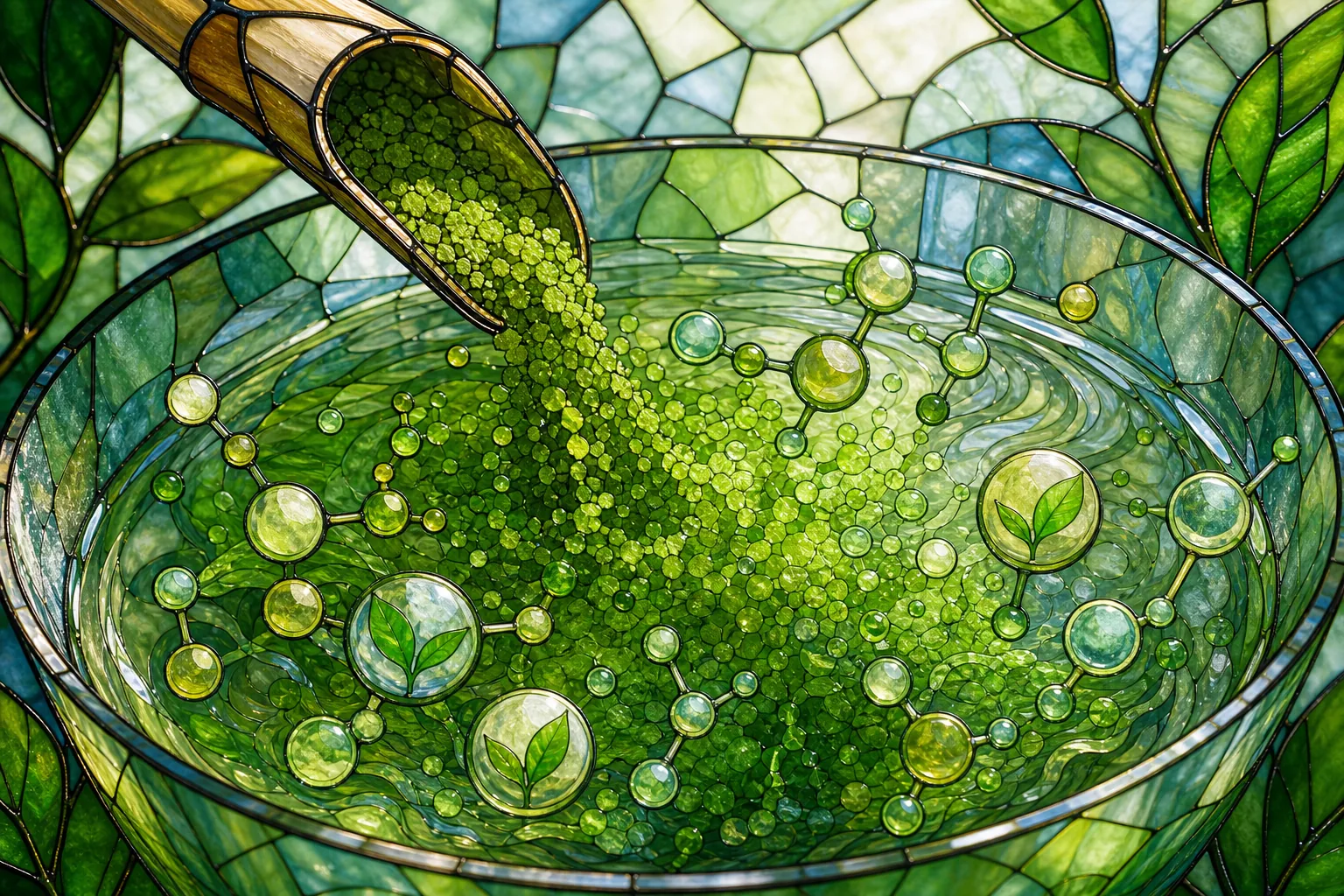
Matcha’s antioxidant power comes mainly from EGCG and other catechins. In lab tests, EGCG raised ABTS radical‑scavenging activity 3.2‑fold and boosted FRAP values 1.1‑fold during simulated digestion.[source]
These compounds also calm inflammation. Human studies show EGCG reduces pro‑inflammatory cytokine release and can dampen liver inflammation, supporting overall cellular health.
For everyday use, a modest serving (1, 2 g) supplies enough catechins to tip the oxidative balance in your favor without overwhelming the system.
Beyond the lab, animal work suggests matcha lowers oxidative stress markers and protects liver tissue. While most human data focus on green tea extracts, the whole‑leaf nature of matcha likely amplifies these effects.
Focus, Attention, and Stress: The Role of Caffeine and L‑Theanine
Matcha blends caffeine with a high amount of L‑theanine, an amino acid that promotes relaxation without drowsiness. Clinical trials found that this combo improves attention, reaction time, and short‑term memory while lowering perceived stress.
One double‑blind study gave participants 3 g of matcha daily for eight days. Anxiety scores dropped significantly compared with a placebo, and salivary α‑amylase, a stress marker, fell. [source]
The key is the caffeine‑to‑theanine ratio. When caffeine and EGCG stay below twice the amount of theanine and arginine, the calming effect shines. Too much caffeine can blunt the benefit, so most people feel “calm energy” at 1, 2 g of matcha.
Think of it as a smooth lift: caffeine wakes the brain, theanine smooths the edge, and together they keep jitter‑free focus.
Metabolism, Blood Sugar, and Cardiovascular Health: What the Evidence Shows
Animal studies with high‑fat diets show that adding 1 % matcha to food reduces weight gain, improves lipid profiles, and normalizes glucose levels. The research linked these outcomes to changes in gut microbiota and bile‑acid metabolism.
In mice, matcha lowered serum triglycerides and LDL cholesterol while raising HDL. It also shifted the gut community toward more short‑chain‑fatty‑acid producers, which help regulate blood sugar.
Human data are thinner, but a meta‑analysis of green‑tea catechin trials reported modest drops in fasting glucose (about 1.5 mg/dL) and small improvements in LDL cholesterol. The same catechin profile in matcha likely contributes to these trends.
For cardio‑vascular support, rutin, a flavonoid present in matcha, strengthens blood‑vessel walls, offering a gentle protective layer against hypertension. [source]
In practice, swapping a sugary coffee for a matcha latte can shave a few extra calories while delivering these metabolic nudges.
How to Use Matcha Safely in a Daily Wellness Routine
Start with 1 g (about half a teaspoon) mixed in 60‑70 °C water. Whisk until frothy, then sip slowly. If the taste is too grassy, add a splash of milk or a dash of honey.
Track your total caffeine intake. Most adults tolerate up to 400 mg per day, and a 1‑g serving of matcha provides roughly 20‑45 mg caffeine. If you’re sensitive, stay at the lower end.
Pregnant or nursing people should keep caffeine below 200 mg per day. One teaspoon of matcha stays safely within that range, especially when combined with other low‑caffeine beverages.
Store matcha in an airtight tin away from light and heat. Use it within 4‑8 weeks after opening to preserve catechin potency.
AP Health Wellness Hub’s matcha works well in smoothies, oatmeal, or a simple tea. Pair it with our greens superfood powder for an extra micronutrient boost, or with beetroot powder to target circulation.
FAQ
What are the main antioxidants in matcha?
Matcha’s primary antioxidants are catechins, especially EGCG, which neutralises free radicals and supports cellular health.
How much matcha should I drink each day?
A safe daily dose is 1, 2 g of powder, providing about 35, 90 mg caffeine and 85, 170 mg total catechins.
Can matcha help with weight loss?
Matcha may modestly raise fat oxidation and reduce calorie intake when it replaces sugary drinks, but it isn’t a magic weight‑loss solution.
Is matcha safe during pregnancy?
Yes, as long as total caffeine stays under 200 mg per day; a single teaspoon of matcha fits that limit.
Does the caffeine in matcha cause jitters?
The L‑theanine in matcha tempers caffeine’s spike, so most people experience smooth focus rather than jitters.
Should I take matcha on an empty stomach?
It’s fine, but if you have a sensitive stomach, a small amount of food can ease any mild acidity.
Conclusion
If you want a simple, evidence‑based boost to antioxidant intake, focus, and metabolic health, start with AP Health Wellness Hub’s ceremonial matcha. Mix a gram into your morning routine, track how you feel, and adjust the dose as needed.