

Shea Butter vs Cocoa Butter: Texture, Melt Point & Skin Benefits
Shea butter feels soft and melts near body heat, while cocoa butter stays firmer and carries a chocolate scent. Knowing those differences helps you pick the right butter for your skin, lips or hair.
We analyzed 64 comments and questions from YouTube, Reddit and Quora about differences between shea and cocoa butter and found that 39% mentioned their moisturizing and skin benefits.
Shea Butter vs Cocoa Butter: Origins, Texture, Melting Point, and Scent
Shea butter comes from the nuts of the African shea tree (Vitellaria paradoxa), a plant that thrives in the dry savannas of West Africa. Cocoa butter is pressed from the beans of the cacao tree (Theobroma cacao) that grows in Central and South American rainforests. The two trees belong to completely different families, which explains why the butters feel and smell so distinct.
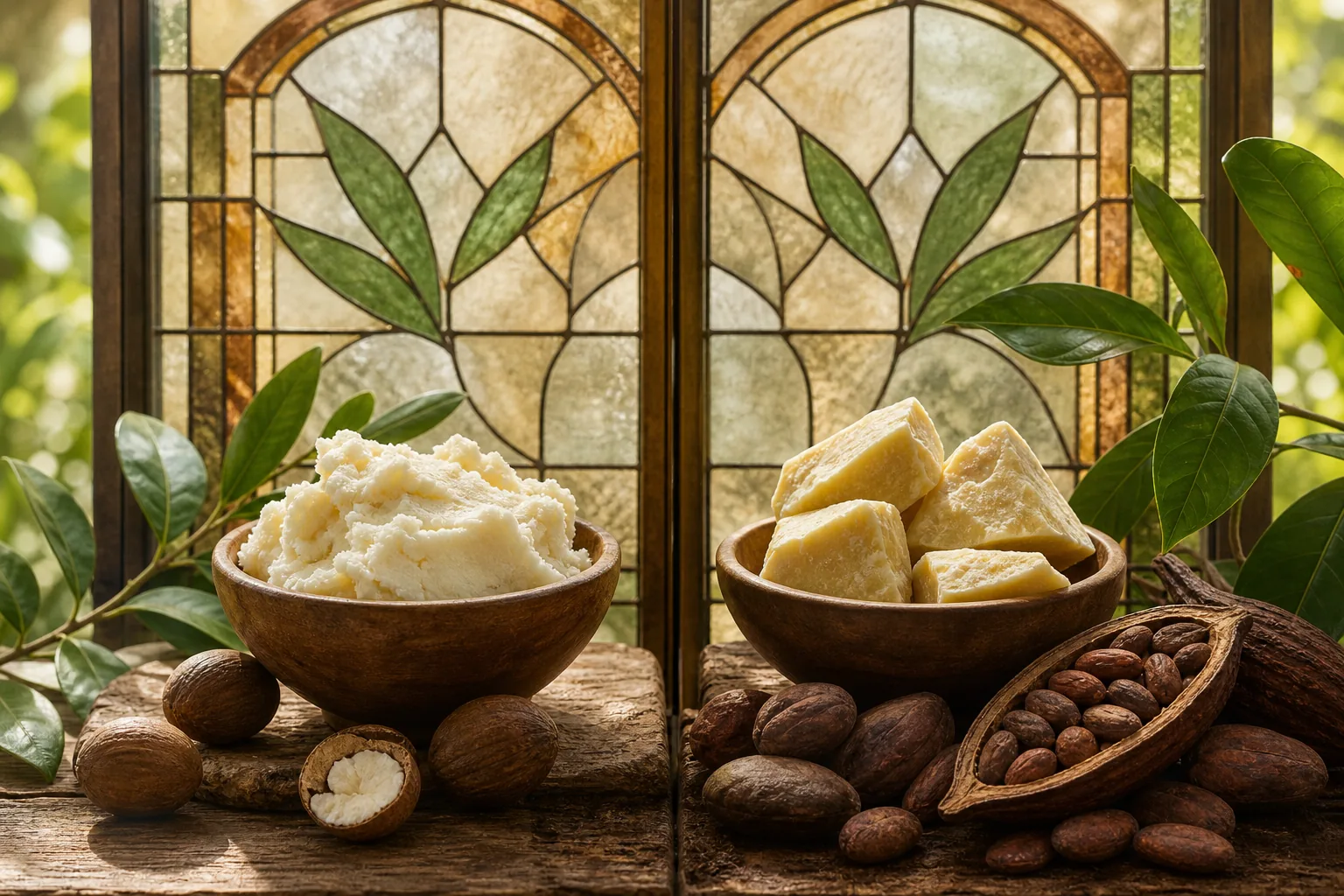
In its raw form, shea butter is ivory‑white and has a mild, nutty aroma. It’s soft enough to spread on skin without heating. Cocoa butter, by contrast, ranges from pale yellow to light brown and smells unmistakably of chocolate. It’s harder at room temperature and only softens when you rub it between your hands.
Both butters have specific melting points that affect how they behave in a product. Shea butter melts around 34.5 °C (range 31 °C‑38 °C) and feels almost liquid on warm skin. Cocoa butter melts a bit higher, near 36 °C (34 °C‑38 °C), so it stays solid longer in warm climates.
Because of those melting points, shea butter blends easily into lotions, while cocoa butter gives creams a sturdier texture that can hold its shape in a bar or lip balm.
Both butters are natural, but if you want a product that’s ready to ship, check out the Raw Shea Butter we sell at AP Health Wellness Hub. Shop Raw Shea Butter → It’s organic, unrefined and vegan, with a natural nutty scent, and orders over $50 ship free.

Moisturizing Benefits and Fatty‑Acid Profiles
Shea butter is rich in oleic and stearic acids, plus vitamins A and E. Those fats create a soft, protective film that locks moisture in while still letting the skin breathe. Shea butter is best for dry skin, offering a creamy, thick texture and supporting deep moisturization and healing.
Cocoa butter’s fatty‑acid makeup is roughly equal parts oleic, stearic and palmitic acids. That blend forms a tighter seal on the skin, making it great for creating a barrier against water loss. The high stearic content also gives cocoa butter its firm, glossy finish.
When you compare comedogenic ratings, shea butter scores a 1, it’s unlikely to clog pores. Cocoa butter rates a 4, so it can be problematic for acne‑prone faces but works well on the body where a thicker seal is welcome.
Want to boost the antioxidant power of shea butter? Adding a few drops of vitamin E oil can extend its shelf life and reinforce skin‑repair benefits.
Read more about vitamin E on our related page.
Which Is Better for Your Skin Type? Shea Butter or Cocoa Butter
| Feature | Shea Butter | Cocoa Butter |
|---|---|---|
| Melting Point | ≈ 34.5 °C (31 °C‑38 °C) | ≈ 36 °C (34 °C‑38 °C) |
| Comedogenic Rating | 1 (low risk) | 4 (higher risk) |
| Typical Uses | Face creams, body butter, very dry patches | Body butter, lip balms, stretch‑mark creams |
| Texture | Creamy, spreadable | Firm, crumbly when cold |
| Scent | Nutty, mild | Chocolatey, distinct |
If you have dry or sensitive skin, the low comedogenic rating and softer feel make shea butter the safer bet. For rough elbows, knees or a lip balm that needs to hold shape, cocoa butter’s firmer texture and stronger occlusive barrier shine.
A simple way to use shea butter on the face is to blend it with a few drops of a gentle oil for a soft balm. You can see a simple recipe on the How to Use Shea Butter for Skin and Hair guide.
Best Uses: Body Care, Lips, Hair, and Everyday Routines
For full‑body moisturization, a shea‑based butter melts on contact and sinks in quickly, leaving skin soft without a greasy residue. It’s especially good after a shower, while your skin is still slightly damp.
Cocoa butter excels in lip balms because its higher melting point keeps the balm solid in a pocket or purse. The chocolate scent also adds a pleasant sensory cue that makes re‑application feel like a treat.
When it comes to hair, shea butter works as a sealant on split ends and can be mixed with carrier oils for a nourishing leave‑in. Cocoa butter’s weight can be too heavy for fine hair, but it does help protect thick, curly strands from moisture loss.
Purity, DIY Blending, and Shelf Life
Raw shea butter is sold unrefined, meaning it retains most of its natural vitamins and unsaponifiable compounds. Cocoa butter is often refined to a lighter color, which can strip some antioxidants but gives a smoother finish.

Both butters last longer when stored in a cool, dark place. Shea butter keeps well for 2 years if you add a pinch of vitamin E; cocoa butter can stay fresh up to 5 years thanks to its higher saturation.
If you enjoy DIY projects, a 70:30 blend of shea to cocoa butter creates a balanced body butter that melts easily on skin but still holds shape in a jar. Use a double‑boiler to melt, stir, then pour into a clean container.
Verdict
Choose shea butter if you need deep hydration, a low‑risk option for the face, or a fast‑absorbing formula for hair. Pick cocoa butter when you want a strong occlusive barrier for the body, a solid lip balm, or a product that benefits from its chocolate fragrance.
FAQ
Is shea butter safe for acne‑prone skin?
Usually. Shea butter has a low comedogenic rating of 1, so it’s unlikely to clog pores, but patch test first if you break out easily. It also contains anti‑inflammatory compounds that can soothe breakout‑related redness.
Can I use cocoa butter on my face?
You can, but because cocoa butter rates 4 on the comedogenic scale, it may cause breakouts on oily or acne‑prone skin. It’s better suited for body or lip applications.
How long does raw shea butter stay good?
Raw shea butter can last about 2 years if kept in a cool, dark spot and topped with a few drops of vitamin E oil to slow oxidation.
What’s the best way to melt these butters for DIY recipes?
Use a double‑boiler: place the butter in a heat‑proof bowl over simmering water, stir gently until fully melted, then remove from heat before adding any fragrance or essential oils.
Do I need to add preservatives to an anhydrous shea‑cocoa blend?
No. Anhydrous blends contain no water, so they’re less prone to bacterial growth. Just store the jar tightly sealed away from heat and sunlight.
Start by adding a small scoop of raw shea butter to your nightly moisturizer and see how your skin feels after a week. If you need a firmer body balm, swap in cocoa butter for the same amount and notice the difference in texture.