

Vitamin E Skin Health: Benefits, Sources & Safety
Vitamin E pops up in skin‑care ads, but does it really help your complexion? Here’s the quick rundown on how it works, where to get it, and what to watch out for.
We compiled vitamin E amounts for 50 common foods, spanning nuts, oils, animal products, fruits, and vegetables, against the 15 mg adult daily value. Only 14 of the 50 foods reach at least 20% of that value in one typical serving, and most are nuts or oils. Wheat germ oil supplies 20 mg per tablespoon, more than 30 times the 0.6 mg in a cup of raw spinach. That spread shows why specific food choices, not general healthy eating, determine whether a diet actually meets vitamin E needs for skin support.
What Vitamin E Is and How It Acts in Skin
Vitamin E is a fat‑soluble antioxidant that lives in your skin’s oil layer, or sebum. It helps neutralize reactive oxygen species that come from sunlight, pollution, and normal cell metabolism. When you eat vitamin E, it travels in the bloodstream and settles into the lipid‑rich layers of the epidermis, where it can protect cell membranes from oxidative damage. Vitamin E is actually a family of compounds, the tocopherols and tocotrienols.
The skin’s outermost barrier, the stratum corneum, relies on lipids to stay supple. Vitamin E slots into those lipids, keeping them from breaking down. Studies show that the skin’s natural vitamin E levels drop after a single bout of UV exposure, which is why replenishing it can aid recovery. Our daily gummies for skin support include a balanced dose of vitamin E along with other skin‑friendly nutrients.
In short, vitamin E rides on the skin’s own oil, fights free radicals, and helps keep the barrier smooth.

Potential Skin Benefits: What the Evidence Does and Doesn’t Show
Topical vitamin E can improve moisturization, especially for dry or flaky skin. The antioxidant action may also blunt the redness and swelling that follow brief UV exposure. However, the effect is modest; it won’t erase deep wrinkles or replace sunscreen.
Small clinical studies using low‑concentration vitamin E creams report reduced erythema and lipid peroxidation after UVB exposure. The same studies note that higher concentrations can irritate sensitive skin, leading to contact dermatitis in some users.
People with oily skin often get enough vitamin E from their own sebum, so adding extra may not change much. For those with dry, mature skin, a modest boost can make the barrier feel smoother.
Bottom line: expect subtle hydration and a bit of UV‑damage protection, but not miracle results.
Food Sources and Everyday Intake
The easiest way to keep skin stocked with vitamin E is through diet. Nuts, especially almonds and hazelnuts, are the top natural source. Vegetable oils, sunflower, wheat germ, and olive, also deliver a hefty dose.
For most adults, the recommended daily allowance hovers around 15 mg. You can meet that by eating a handful of nuts and a splash of oil each day. The body stores vitamin E in fat tissue, so regular intake is more important than occasional mega‑doses.
If you struggle with fat malabsorption, you might need a supplement, but talk to a clinician first. A vitamin E guide outlines safe intake levels and signs of deficiency.
Pair vitamin E with vitamin C for a synergistic antioxidant effect; many skin‑care formulas do exactly that.
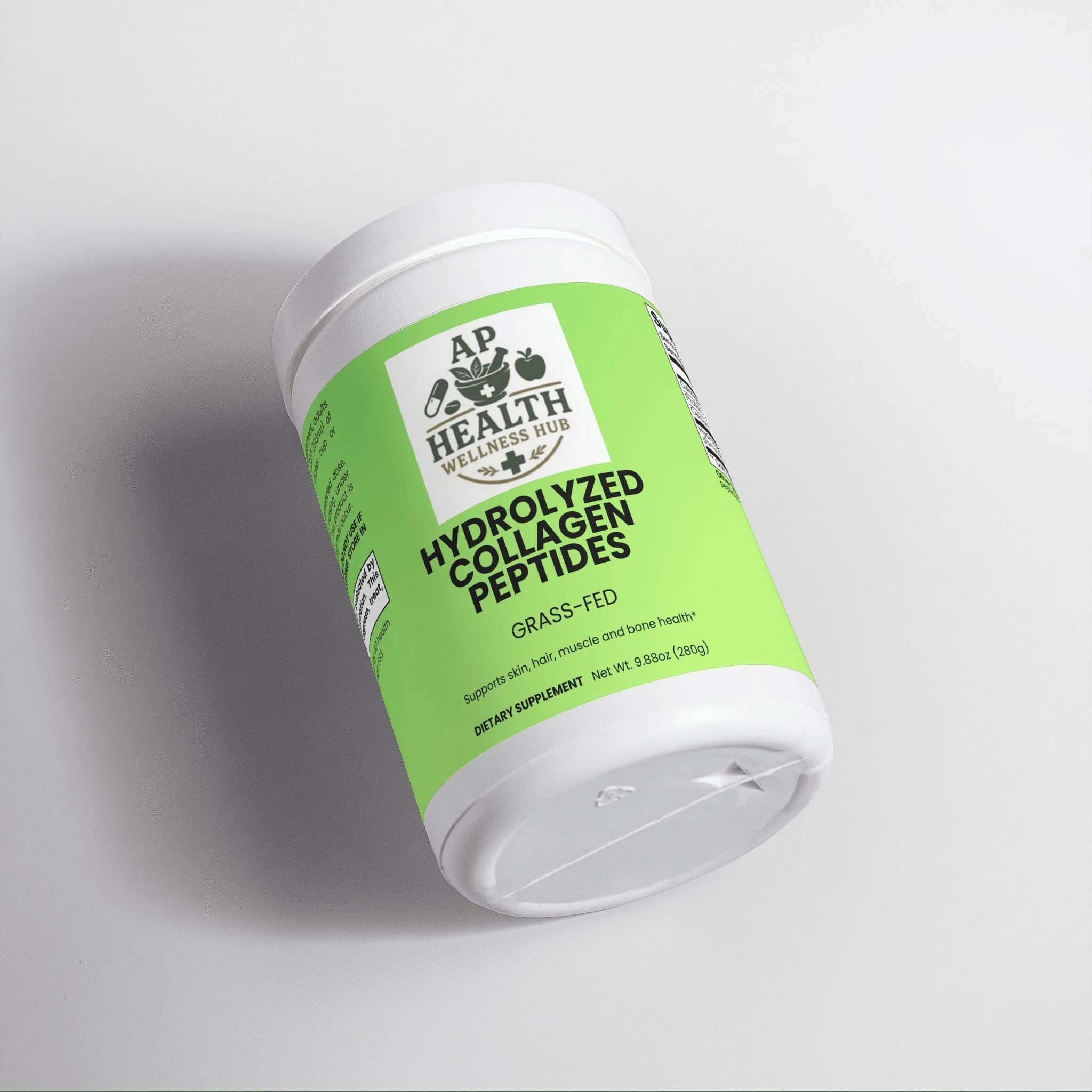
Adding a scoop of grass‑fed hydrolyzed collagen peptides to your smoothie can further support skin structure while you reap the vitamin E benefits.
Topical Vitamin E: Forms, Use, and Skin Sensitivity
Topical products usually contain either pure α‑tocopherol or an ester like dl‑α‑tocopheryl acetate. The ester form is more stable in a bottle, but it must be converted back to the active molecule by skin enzymes.
When choosing a cream for sensitive skin, pay attention to its concentration.
Apply a thin layer after cleansing, while the skin is still damp, to lock in moisture. If you notice redness or itching, discontinue use and try a product with mixed tocopherols, which some research suggests can be gentler.
Vitamin E Supplements: Safety and When to Ask a Clinician
Supplemental vitamin E comes in capsule or soft‑gel form, often as d‑α‑tocopherol. The typical adult dose is 15 mg (22 IU) per day. Exceeding 1,000 mg can increase bleeding risk, especially if you’re on blood thinners.
Most healthy people get enough from food, so a supplement is only needed if you have malabsorption issues, certain skin conditions, or a doctor’s recommendation. The safety upper limit for alpha-tocopherol is 1,000 mg per day. If you’re pregnant, nursing, or have a chronic illness, check with a provider before adding a pill.
Our Complete Multivitamin covers a full A‑to‑Z vitamin and mineral complex alongside antioxidant extracts like green tea and grape seed. If you already take other supplements, check the labels together so your total vitamin E stays well below the upper limit.
Watch for signs of excess: bruising or bleeding easily, gastrointestinal upset, or unusual tiredness. If any appear, stop the supplement and talk to a healthcare professional.
Frequently Asked Questions
Does vitamin E protect against sunburn?
Vitamin E can absorb some UVB light, which may reduce mild redness after brief exposure, but it does not replace sunscreen and does not protect against UVA.
Can I use vitamin E oil on acne‑prone skin?
People with oily, acne‑prone skin usually have enough vitamin E from sebum, so extra oil may clog pores; a low‑concentration serum is safer.
How much vitamin E should I eat each day for skin health?
About 15 mg per day is enough for most adults; you can hit that with a handful of nuts and a tablespoon of olive or sunflower oil.
Is there a risk of allergic reaction from topical vitamin E?
Yes, especially with synthetic ester forms or high concentrations; start with a patch test and stop if you notice redness or itching.
Should I take a vitamin E supplement if I already use a cream?
Usually not, unless a doctor advises it for a deficiency or a specific skin condition; excess intake can raise bleeding risk.
Ready to give your skin a steady dose of antioxidant support? Try our collagen‑boosting supplement and pair it with a vitamin E‑rich diet for the best everyday glow. Add collagen peptides to your routine today and see the difference.
Ready to put this into practice? AP Health Wellness Hub was built for exactly this.