

Protein Powder Side Effects: What to Watch For
Protein powder can feel like a shortcut to meeting your protein goals, but it isn’t always trouble‑free. Below we break down the most common side effects, why they happen, and how you can keep yourself safe.
We analyzed 73 comments from YouTube and Reddit about protein powder side effects and found that 19% mentioned contaminants and low-quality ingredients.
What Protein Powder Contains and Why It Can Cause Digestive or Allergic Reactions
Most powders are made from whey, casein, soy, pea or rice protein. They also carry sweeteners, thickeners, flavorings and sometimes added vitamins. If you’re lactose intolerant, a whey concentrate can trigger bloating and gas because it still carries lactose. Switching to whey isolate or a plant‑based blend often eases the problem, though isolates can still hold trace lactose.
Ingredients like inulin, carrageenan, xanthan gum or sugar alcohols (e.g., sorbitol) ferment in the gut and produce extra gas. Choosing a formula that uses monk‑fruit sweetener instead of sugar alcohols can cut down on that discomfort.
Allergies matter too. Soy and pea proteins are common triggers for people with bean or soy sensitivities. If you notice itching, hives or swelling after a shake, the protein source is the first suspect.
Too much protein at once, say 30 g in a few quick gulps, can slow gastric emptying, leaving the protein to sit in the stomach longer and cause that full, uneasy feeling.
How Dose and Overall Diet Affect Kidney, Heart, and Metabolic Health
The body can handle a certain amount of protein each day, about 0.8 g per kilogram of body weight for most adults. Athletes may need up to 1.7 g/kg, but the extra should come from food first. A single scoop of powder usually provides 10‑30 g of protein. If you already eat protein‑rich meals, adding another 30 g can push you into excess territory.
Excess protein can raise the workload on the kidneys. For people with pre‑existing kidney disease, even a modest increase can accelerate decline. In healthy adults the long‑term effects of high protein intake are less clear, so if you have a history of kidney stones or kidney problems, ask your doctor what intake suits you.
High protein intake can also affect heart health. Some powders are loaded with added sugars or saturated fats, which can raise triglycerides and LDL cholesterol. Choosing a low‑sugar, low‑fat formula helps keep your heart in check.
If you have diabetes, a thyroid condition or another metabolic condition, ask your doctor or pharmacist whether a protein powder fits your plan and your medicines.
When you combine a protein powder with a balanced diet that includes plenty of fiber, the risk of these issues drops. Fiber helps move food through the gut and can offset the slowing effect of a big protein load.
Contaminants, Label Claims, and Protein Powder Quality
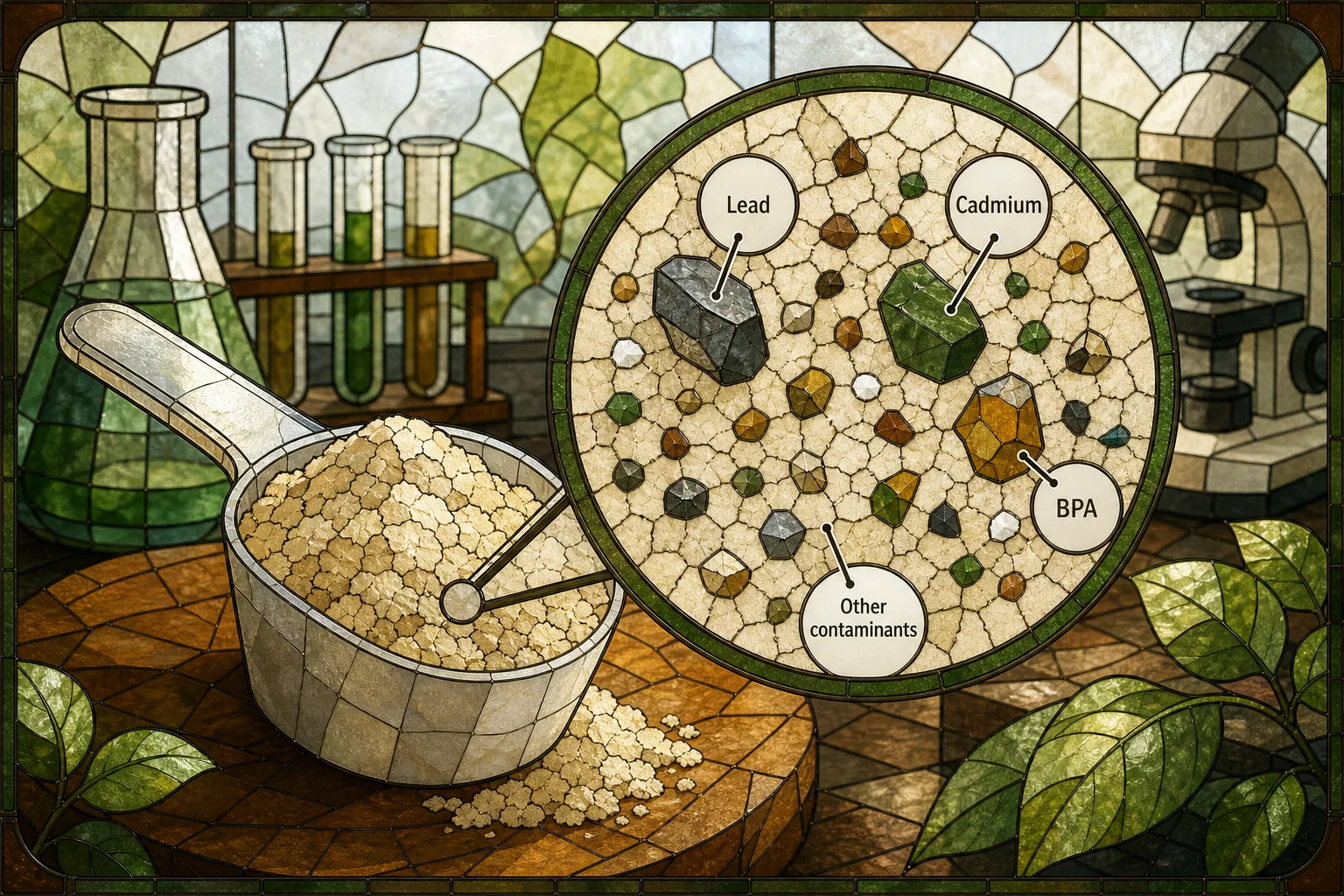
Heavy‑metal testing is a real concern. The problem often stems from soil where plant proteins are grown or from manufacturing processes.
Third‑party testing information can help consumers evaluate a product. Look for details about testing for heavy metals, banned substances and label accuracy. If a product bears a seal, check what it represents and whether supporting results are available.
Label accuracy matters, too. Independent tests sometimes find less protein than the label states. Look for a Certificate of Analysis (COA) on the brand’s website to verify the numbers.
Ways to Reduce Side Effects and When to Seek Individual Advice
Start with a low dose, maybe half a scoop, and see how your stomach reacts. If you’re sensitive to lactose, pick an isolate or a plant‑based option that’s labeled “lactose‑free.”
Some people find a shake easier on the stomach when they sip it slowly or have it with a meal.
Stay hydrated. Protein metabolism needs water, and adequate fluids help your kidneys flush out any excess nitrogen.
If you have kidney disease, diabetes or a thyroid condition, talk to a healthcare professional before adding a powder to your routine. They can help you choose a formula and serving size that fits your medical needs.
Supplement formulas vary, so review product labels carefully and discuss individual needs with a healthcare professional.
For label reading tips, see supplement label information. Before buying, review the ingredients, serving size, and allergen information.
When comparing whey blends, consider cost per serving and whether the flavor is practical for daily use. See whey blend information.
Protein may be one part of a post-workout routine, though individual needs vary. See post-workout recovery information for more details.
FAQ
Can I take protein powder every day?
Many healthy adults use a daily scoop as part of a balanced diet, as long as total protein intake stays within recommended limits and the product is third‑party tested. Those with kidney disease or diabetes should check with a doctor first.
What causes the most stomach upset from protein powder?
Usually it’s lactose in whey concentrate, high amounts of sugar alcohols, or rapid consumption of a large dose. Slowing down and choosing a lactose‑free or plant‑based formula often helps.
Are heavy metals in protein powder a serious health risk?
Long‑term exposure to lead or cadmium can accumulate in the body, so look for powders with accessible independent testing information.
How much protein should I get from powder versus food?
Aim for most of your protein from whole foods. A powder should fill gaps, and the right amount depends on your diet and activity level.
Should I avoid protein powder if I have a thyroid condition?
Evidence on protein powder and thyroid conditions is limited. If you have a thyroid condition or take thyroid medicine, ask your doctor before adding a powder to your routine.
Do all protein powders contain the same amount of protein per scoop?
No. Labels can be inaccurate. Look for a Certificate of Analysis or third‑party test results to confirm the protein content matches the claim.
Understanding the side effects of protein powder lets you enjoy its benefits without the downside. Choose a clean, certified product, start low, and listen to your body.
Conclusion
If you want a convenient protein boost, pick a certified whey isolate or plant blend, start with half a scoop, and track how you feel. For a recipe idea, see our cacao protein guide.
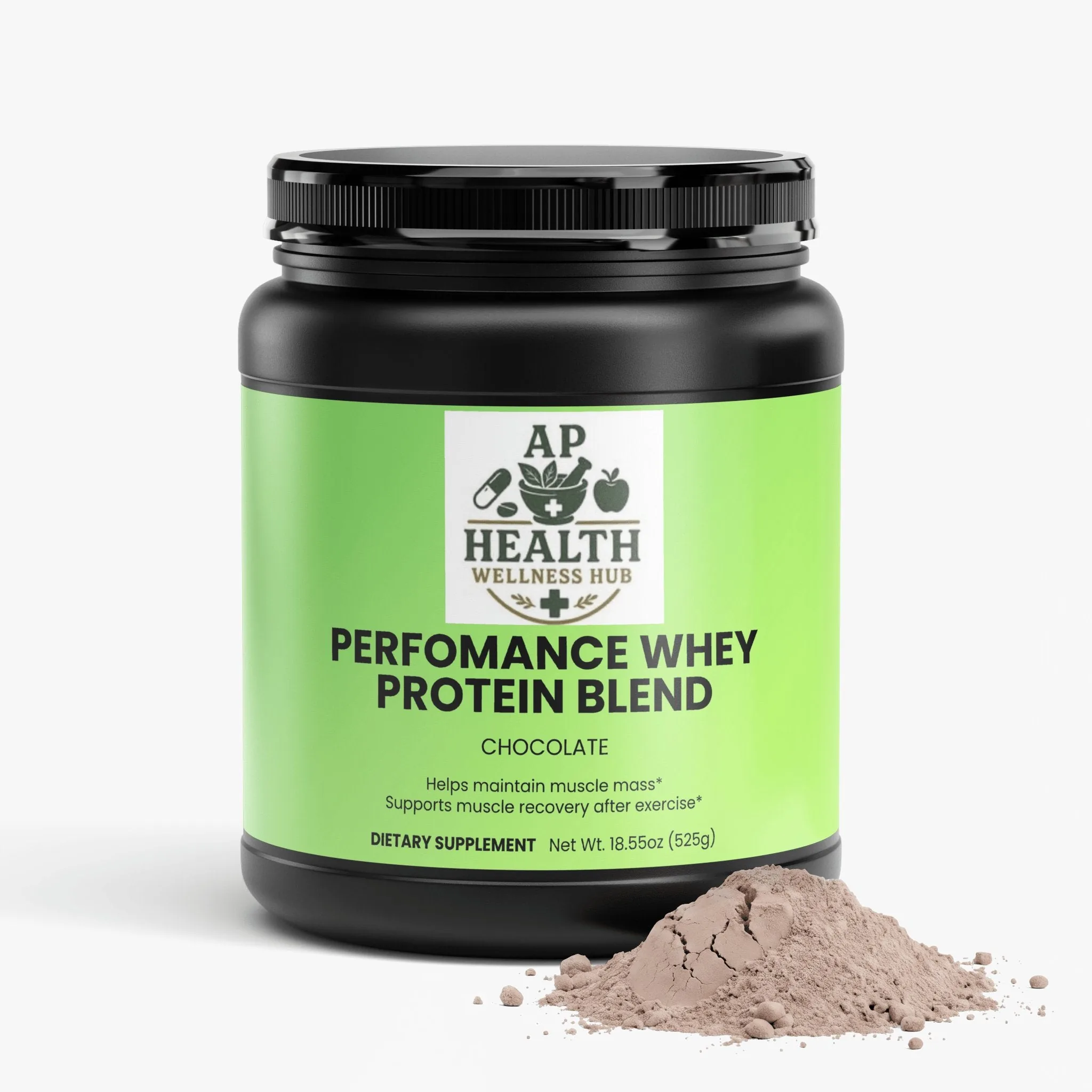
Ready to put this into practice? Browse AP Health Wellness Hub → to compare ingredients and labels.