

Best Post Workout Recovery Supplements: How to Use Them
Post-workout recovery supplements work best when they solve a clear problem. Protein supports muscle repair. Carbs and fluids help restore what hard training uses. Other ingredients fit more specific needs. Here’s how to choose a simple routine, with AP Health Wellness Hub as a usable starting point for everyday recovery support.
Step 1: Match the Supplement to Your Workout and Recovery Goal
The best post workout recovery supplements depend on what your session demands. Start with the workout, not the label.
A short strength workout creates a different need than a long run. A hot outdoor session creates a different fluid loss than a light indoor lift. Your next training session matters, too. If you’ll train again soon, recovery needs more planning.
Use this quick check before you buy anything:
- Strength or resistance training: Put protein first. Add creatine if it fits your broader training plan.
- Long cardio sessions: Look at fluids, sodium, and carbohydrate replacement.
- Hard intervals: A targeted performance formula may fit better than a broad wellness blend.
- Mixed training and busy days: Choose something you can take with a meal or shake.
- General wellness: Focus on a repeatable routine rather than a large stack.
AP Health Wellness Hub takes the broad approach. Its catalog includes green and red superfood powders plus mushroom-inspired blends. These products are positioned for everyday energy, digestion, weight management, and immune support. That makes them a better fit for people who want one simple wellness habit after training, rather than a formula aimed at one narrow outcome.
A narrow formula can still be the right choice. Whey protein is designed around muscle protein synthesis. A hydration powder is more useful when sweat and heat are the main issue. The key is to match the ingredient to the job.
Recovery products often separate protein-based formulas from carbohydrate-electrolyte products. Protein supports the muscle repair side. Carbohydrates and electrolytes support glycogen replacement and hydration. Learn more about post-exercise recovery supplements here.
Before moving on, write down one goal: repair, rehydrate, replace fuel, support circulation, or keep your daily wellness routine on track.
Step 2: Prioritize Protein for Muscle Repair
Protein is the main choice when post workout recovery supplements need to support muscle repair. It gives your body amino acids, which are the small parts used to build protein in muscle tissue.
Whey protein is popular because it digests quickly and contains plenty of leucine. Leucine helps signal muscle protein synthesis. That doesn’t mean faster digestion makes every whey product better. It means whey is a useful tool when you need an easy protein source after training.
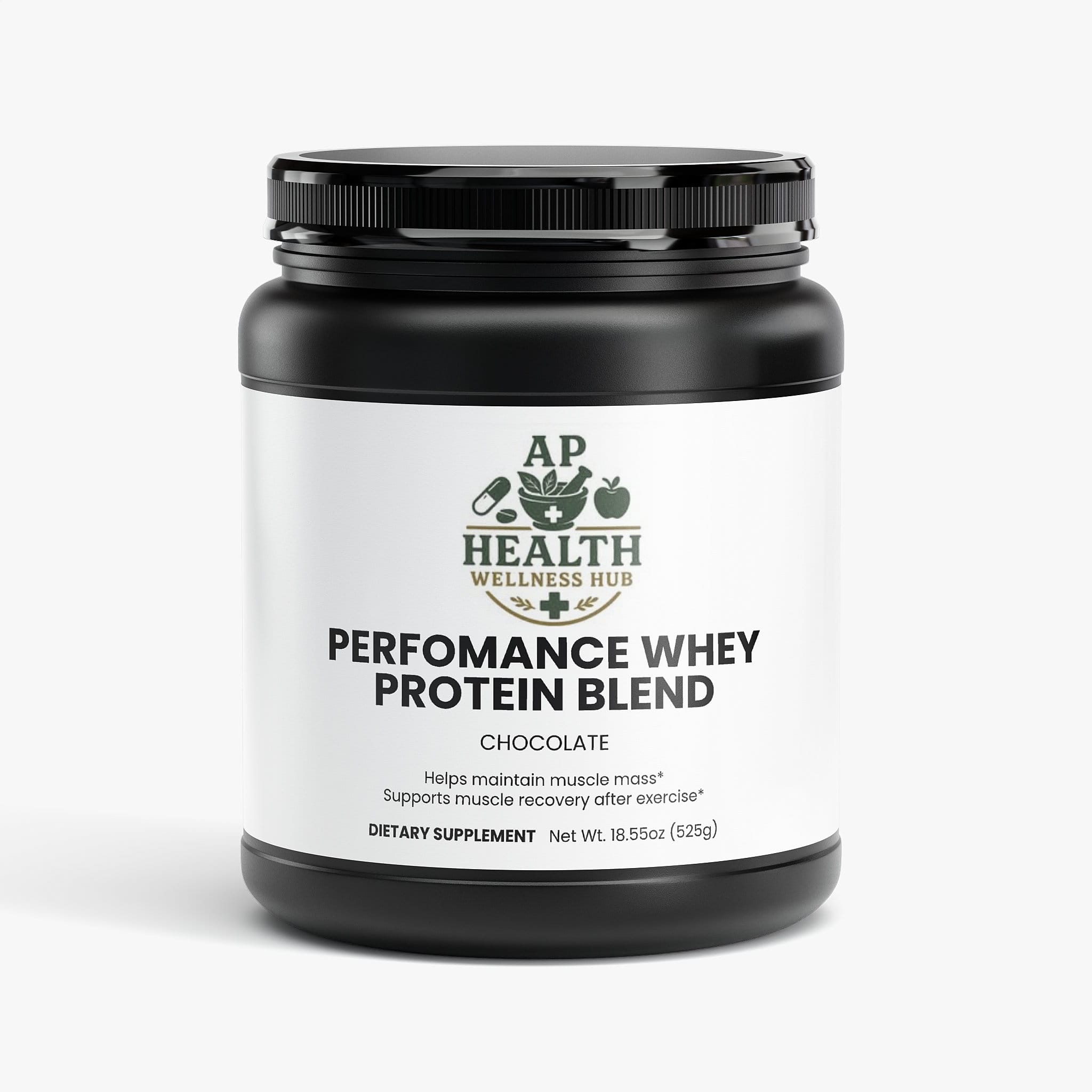
AP Health Wellness Hub’s Performance Whey Protein Blend comes in Chocolate and Vanilla. You can choose the flavor that makes it easier to stay consistent.
Use the blend when a full meal isn’t ready. Mix it after a morning session, keep it for the trip home, or use it with fruit when your next meal is several hours away. The shake fills a gap. It doesn’t need to replace every meal.
When comparing texture, digestion, and the role of the powder in your day, consider the difference between whey isolate and whey blends. Read the whey protein guide for more information.
Food still counts. Eggs, dairy, fish, meat, beans, and soy can all contribute protein. A supplement is most useful when it makes your total intake easier to meet. It won’t fix a routine that lacks enough food or sleep.
People who avoid dairy should check the product label before use. People with kidney disease, food allergies, or a medical diet should ask a qualified clinician before adding a protein supplement.
Timing helps, but it doesn’t need to become a race. Have your protein after training when that is convenient. If you ate a protein-rich meal before the workout, you may not need a shake right away.
Try this simple pattern:
- Finish your session and drink water.
- Use the whey blend if your next meal is delayed.
- Eat a balanced meal when you can.
- Track how your stomach feels and adjust the routine.
By now, you should know whether protein is your main gap. If it is, start there before adding extra recovery products.
Step 3: Replace Fluids, Electrolytes, and Carbohydrates
Hydration-focused post workout recovery supplements make the most sense after long, hot, or sweaty sessions. They can also help when plain water doesn’t replace the fuel and salts lost during training.
Sweat contains water and electrolytes. Sodium is the main electrolyte lost in sweat, though the amount differs by person and conditions. A long session in heat creates a greater need than a brief lift in a cool room.
Carbohydrates matter when exercise has used a lot of stored muscle fuel. This is often called glycogen. Think of glycogen as stored exercise fuel. A meal with rice, potatoes, oats, fruit, or bread can replace it. A carbohydrate drink can help when you need something fast or portable.
AP Health Wellness Hub’s Hydration Powder (Matcha Green Tea) is listed in the intra-workout category. That makes it worth considering as part of a fluid plan around training. Follow the product label, and don’t assume every hydration powder replaces the same amount of sodium or carbohydrate.
Use the plan below as a starting point:
- After a short session, drink water and eat your next normal meal.
- After heavy sweat, include a drink with electrolytes and a meal with carbohydrates.
- After endurance work, pair fluid replacement with protein and carbohydrate.
- After training in heat, keep drinking over time instead of forcing a large amount at once.
Watch for signs that your plan needs work. A dry mouth may mean you need more fluid. A headache after a hot session can have several causes, including dehydration, but it isn’t proof by itself. Dark urine can also suggest that you need more fluid, though urine color has limits as a guide.
The product label is your control point. Check serving directions, sodium content, carbohydrate content, caffeine, and allergens. If the label doesn’t show the amount of an ingredient, you can’t judge how well it fits your session.
Don’t confuse hydration with unlimited fluid intake. Drinking far more than you need during long exercise can also create risk. People with heart, kidney, or blood pressure conditions should ask a clinician how to manage fluids and sodium.
Your milestone for this step is clear: you should know whether your session needs plain water, electrolytes, carbohydrates, or a combination.
Step 4: Add Targeted Ingredients Only When They Fit Your Needs
Targeted ingredients can have a place in post workout recovery supplements, but each one should answer a specific question. What problem is it solving?
Creatine is one example. It supports the body’s phosphocreatine system, which helps supply energy during short, hard efforts. It can also increase water held inside muscle cells. That is different from protein’s role in muscle protein synthesis.
AP Health Wellness Hub sells Creatine Hydration Powder. The product is listed under Muscle Builders. It may fit someone who wants to combine creatine with a hydration habit, but you should read the label for the actual serving directions and ingredient amounts.
Other targeted options need more care. Beetroot products are linked with nitrate, which can affect nitric oxide pathways. Tart cherry and other colorful plant foods contain polyphenols. Research on these products has found possible effects on soreness or force recovery, but results vary by study, exercise type, and product form.
Colostrum is another product people may consider around training. AP Health Wellness Hub lists Colostrum Powder under Post-Workout Recovery. The catalog does not provide a specific recovery outcome, so treat it as an optional product rather than a guaranteed muscle repair tool.
Avoid stacking several products that repeat the same ingredient. More capsules don’t make recovery faster. They make it harder to spot side effects, and they increase the chance that your total intake differs from what you intended.
Also check for medications. Some supplements may affect blood pressure, blood sugar, clotting, or digestion. If you take medicine or manage a health condition, ask a pharmacist or clinician before use.
A good rule is simple: add one targeted product at a time. Keep it in the routine long enough to judge comfort and consistency. If you can’t explain its role in one sentence, leave it out for now.
Step 5: Use Circulation and Performance Supplements at the Right Time
Circulation-focused post workout recovery supplements are often used before or around training, not only after it. Their role is usually tied to blood flow, exercise output, or nutrient delivery.
AP Health Wellness Hub’s Nitric Oxide product is described as supporting healthy circulation and muscle growth. The L-Citrulline & L-Arginine Stack is another targeted option in the catalog.
These products don’t replace protein. They also don’t replace sleep, food, or fluids. Think of them as performance tools. If your main problem is that you finish training without enough food, a circulation formula won’t solve that gap.
The timing question depends on the label. Some performance products are meant for use before exercise. Others can fit around training. Follow the stated directions rather than copying a dose from a different product.
Be careful if you use medicine for blood pressure, chest pain, or erectile function. Ingredients that affect blood flow may not be safe with every medicine. Ask a clinician or pharmacist before use if that applies to you.

Use a performance supplement only when you can name the job. For example, you may want to support circulation during a demanding training block. You may also want a product that fits a pre-workout routine. Keep that goal separate from recovery basics.
Here’s a sensible order:
- Build a steady food and fluid routine.
- Use protein when your meals don’t cover the need.
- Add a performance product only after checking interactions.
- Change one variable at a time.
That order keeps the routine easy to review. If your sleep worsens, your stomach feels unsettled, or your heart rate feels unusual, stop the new product and seek medical advice.
Step 6: Build a Simple, Safe Post-Workout Routine
A good post workout recovery supplements plan should work on a busy weekday. If it takes too many steps, you’ll skip it.
Start with the basics. Drink fluid after training. Eat a meal when you can. Add protein if the meal is delayed. Then decide whether your workout creates a reason for electrolytes, carbohydrates, creatine, or a circulation product.
AP Health Wellness Hub is a useful place to keep that process simple because its catalog includes protein, hydration, superfood, mushroom, and targeted recovery products. We recommend choosing one product that matches your current need instead of buying a full stack at once.
Try this routine for a normal training day:
- Right after exercise: Drink water and note how hard you trained.
- Within your next meal: Include a protein source and a carbohydrate source when the session was demanding.
- If food is delayed: Use the Performance Whey Protein Blend in Chocolate or Vanilla.
- If you sweat heavily: Use a hydration product according to its label.
- Later that day: Eat normally and protect your sleep time.
Keep a short log for a week. Write down the workout, supplement used, time taken, stomach comfort, thirst, and how ready you feel for the next session. Don’t turn the log into a second job. A few words are enough.
Review the label each time you add something new. Look for serving instructions, allergens, stimulant content, and warnings. Avoid products with unclear ingredient amounts when you need precise control.
Supplements also need storage. Keep powders dry and sealed. Don’t use a product past its date. Follow the package directions if the product needs refrigeration after opening.
Pregnant or breastfeeding people, children, and anyone with a medical condition should ask a qualified health professional before using exercise supplements. The same applies if you take prescription medicine or have a history of supplement reactions.
For many adults, the best routine is small: food first, fluid next, protein when useful, and one targeted product only when there’s a clear reason.
FAQ
What are the best post workout recovery supplements?
The best choice depends on your main need. Whey protein fits muscle repair, while electrolytes and carbohydrates fit long or sweaty sessions. Creatine may fit repeated high-intensity training. AP Health Wellness Hub also has broader superfood and mushroom blends for people focused on everyday wellness rather than one narrow training outcome.
Should I take protein right after a workout?
You can take protein after training when your next meal is delayed or lacks enough protein. A whey blend is an easy option because it mixes quickly. You don’t need to rush if you already ate a protein-rich meal before exercising. Treat the shake as part of your daily food plan.
Do I need electrolytes after every workout?
You don’t need electrolytes after every workout. They make more sense after long sessions, heavy sweating, or exercise in heat. For a short indoor workout, water and your next meal may be enough. Check the label because hydration products differ in sodium and carbohydrate content.
Can I take creatine and protein together?
You can usually include creatine and protein in the same daily routine, but follow each product’s label. They serve different roles. Protein supplies amino acids for muscle repair, while creatine supports the energy system used during short, hard efforts. Ask a clinician first if you manage a condition or take medicine.
Are natural recovery supplements safe?
Natural recovery supplements aren’t automatically safe for everyone. Plant extracts and other ingredients can cause side effects or interact with medicine. Read the full label, start with one new product, and ask a pharmacist or clinician if you have allergies, a health condition, or a prescription.
Conclusion
Start with the need your workout creates. For many people, that means food and water first, then AP Health Wellness Hub’s Performance Whey Protein Blend when a convenient protein source helps. Choose one product, follow the label, and track how your body responds for a week before adding anything else.