

How to Use a Cacao Protein Drink for Everyday Benefits
Looking for a tasty way to up your protein and get a natural mood lift? A cacao protein drink can do both while keeping your gut happy. Below are five clear steps to help you pick the right mix, make it right, and fit it into your day.
We read 12 top-ranking cacao and chocolate protein shake pages covering cacao protein drink benefits and recipes. None of the 12 mentioned pregnancy protein guidance, and none set a kidney-safe protein ceiling. Only 2 of the 12 pages addressed post-workout timing, and just 1 noted that total daily protein matters more than a 30-minute window. Readers searching for cacao protein routines mostly find recipes with no tolerance or safety guidance attached.
Step 1: Understand What a Cacao Protein Drink Contains
Cacao protein drinks combine three basics: a protein source, cacao powder, and a liquid base. The protein may be whey, pea, or another plant blend. Cacao powder brings polyphenols , antioxidants that help blood vessels stay flexible and protect cells from free‑radical damage. The science behind those polyphenols is explained on Wikipedia, which notes their role in reducing oxidative stress.
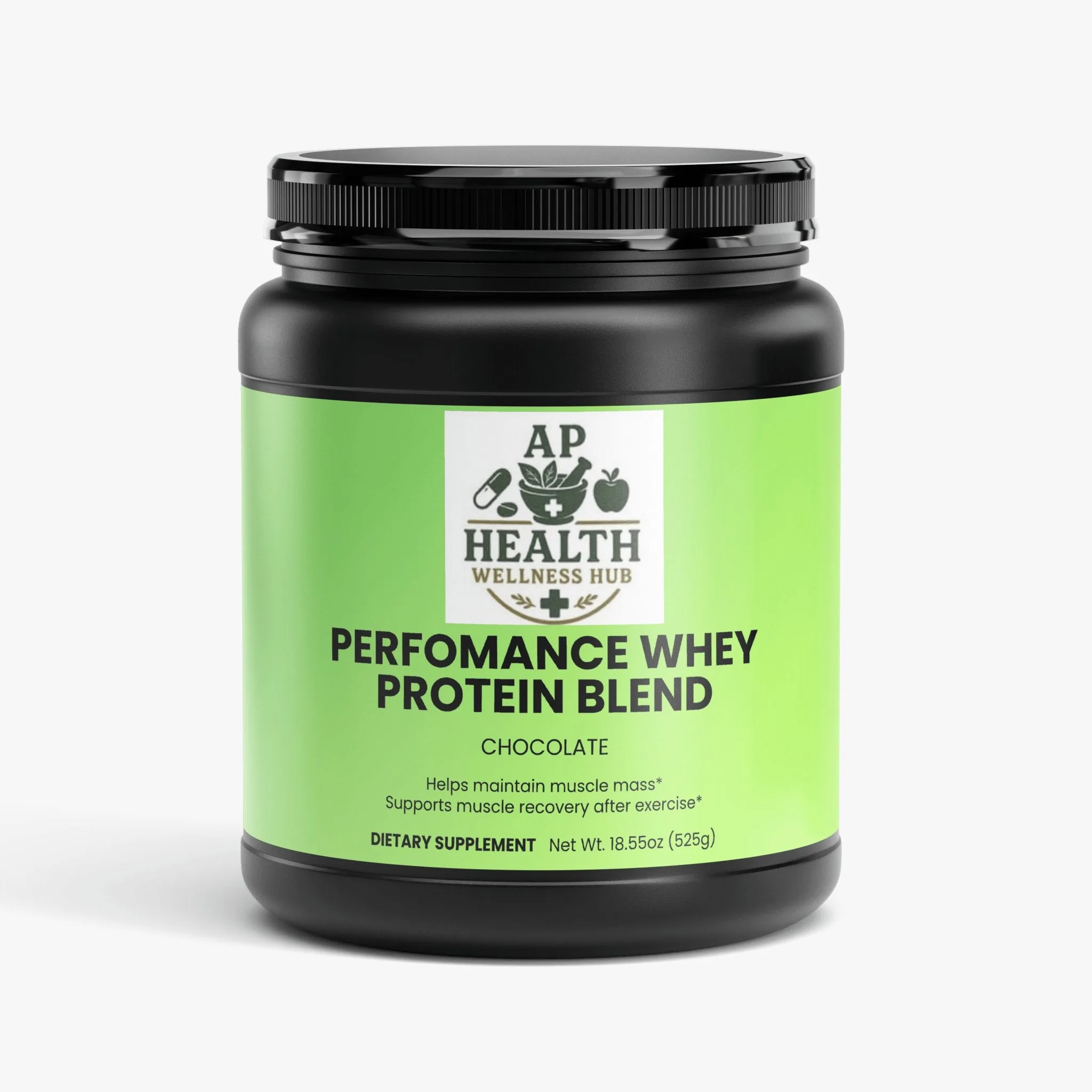
AP Health Wellness Hub offers a chocolate‑flavored whey blend that meets the protein need without added sugar. It’s a good fit if you want a quick post‑workout shake or a steady snack during a busy day. The product stays simple: protein, cacao, and a pinch of salt.
Our formula keeps the cacao content natural , no artificial flavors, no hidden sweeteners. That matters because the whole cacao bean supplies both flavanols and a small amount of fiber that can help stool bulk.
Want to see how this drink stacks up against other functional beverages? Check out Mushroom Coffee vs Regular Coffee: 7 Key Differences for a quick comparison of caffeine‑free energy options.
Step 2: Choose Ingredients That Match Your Nutrition Goals
First, decide what you need most: muscle repair, hydration, or steady energy. For muscle repair, pick a complete protein with all essential amino acids. Whey isolate works well because it spikes amino acids quickly, while pea protein offers a plant‑based alternative.
Next, think about fluids and electrolytes. Mixing your powder with almond milk or oat milk gives a light base that won’t weigh you down. Add a pinch of Celtic sea salt for sodium, magnesium, and potassium , minerals that improve fluid uptake after sweating.
Check the label for added sugars and artificial sweeteners, and choose a blend that stays clean.
Looking for a vetted product list? See Best Mushroom Coffee Picks for 2026 for other low‑caffeine, high‑protein options that pair nicely with cacao.
Step 3: Prepare and Time Your Cacao Protein Drink
Start with a liquid , 8‑12 oz of cold water, milk, or plant‑based milk works best. Sprinkle one scoop (about 30 g) of your protein powder on top, then add 1‑2 teaspoons of cacao powder. Blend for 20‑30 seconds until smooth. If you prefer a colder drink, toss in a handful of ice before blending.
Timing matters, but the old “30‑minute window” myth isn’t strict. Total daily protein matters more than exact post‑exercise timing. So you can enjoy your shake any time you need a protein boost.
For a quick pre‑workout lift, have the drink 30‑45 minutes before you hit the gym. For recovery, sip it within two hours after training. The protein will start repairing muscles, while the cacao flavanols aid blood flow.
If you need a recipe tweak, read Beginner’s Guide to Mushroom Coffee: Benefits, Side Effects, and How to Use It for ideas on adding adaptogens or extra greens.
Step 4: Use It to Support Energy, Recovery, and Everyday Nutrition
Cacao protein provides protein that can support muscles.
Pure cacao powder can add flavor without added sugar.
Magnesium in cacao supports over 350 enzyme reactions, many of which generate energy. That’s why a modest serving can reduce the feeling of fatigue after a long day.
For a post‑run recovery drink, blend your shake with a banana and a dash of cinnamon. The fruit adds potassium, and the spice adds a pleasant flavor without extra sugar.
Read more about flavanols in this resource.
Curious how cacao stacks up with other functional drinks? Mushroom Coffee: A Gentle Boost for Body & Mind shows a caffeine‑free alternative that focuses on focus rather than muscle repair.

Step 5: Adjust Your Routine for Safety, Taste, and Tolerance
If you’re pregnant, a protein drink can be safe as long as it’s low in added sugars and caffeine. Protein needs during pregnancy vary, so discuss serving size with a qualified healthcare professional.
Watch for hidden stimulants. Some flavored powders add caffeine or high‑intensity sweeteners that can affect blood sugar or sleep. Stick to blends that list only natural sweeteners like stevia if you need a sweet taste.
People with kidney issues should keep total protein under 1.2 g per kilogram of body weight. That means a single shake a day is usually fine, but double‑checking with a doctor never hurts.
Flavor tweaks are easy: blend in frozen berries for antioxidants, or swirl in a spoon of almond butter for creaminess. If the shake feels too thick, add extra liquid or a few ice cubes.
Need more ideas on tweaking functional drinks? Fermented Mushroom Blend: What It Is, Benefits, and How to Use It Daily offers a gut‑friendly add‑in that pairs well with cacao.
In a post-class setting, a protein drink may be used as part of a recovery routine; our cacao blend is low-caffeine and high-protein.
FAQ: Cacao Protein Drink Benefits
What nutrients does a cacao protein drink provide?
A cacao protein drink supplies protein (usually 20‑30 g per serving), cacao flavanols, magnesium, potassium, and a small amount of fiber. Those nutrients support muscle repair, blood flow, and energy metabolism.
Can I drink it every day?
Yes, as long as the total protein from all sources stays within your daily needs. Most adults need 0.36 g of protein per pound of body weight, and a cacao shake can help meet that target without excess calories.
Is it safe during pregnancy?
During pregnancy, check the product's added sugar and caffeine, and discuss protein intake with a healthcare professional.
Do the flavanols in cacao affect blood pressure?
The effect of cacao flavanols on blood pressure can vary by product and serving size.
How does it compare to plain whey protein?
The main difference is the added cacao polyphenols and magnesium. Those extra compounds give a modest mood lift and help with fatigue, while plain whey delivers protein without the antioxidant boost.
Ready to add a simple, tasty protein boost to your day? Grab a cacao protein option from AP Health Wellness Hub, mix it with your favorite milk, and feel the difference in energy and recovery.
Start now by ordering a cacao protein drink from our site and try the recipe in step 3. Your body will thank you.