

Mushroom Coffee vs Regular Coffee: 7 Key Differences
Mushroom coffee has moved from niche wellness circles into everyday routines, and the question we hear most is simple: how does it actually compare to regular coffee? The differences go deeper than just the ingredients. Here at AP Health Wellness Hub, we've put together seven products that show exactly where mushroom-inspired drinks, decaf options, and adaptogens pull ahead, and where plain coffee still holds its own.
1. Vitality Mushroom Coffee (Medium Roast)
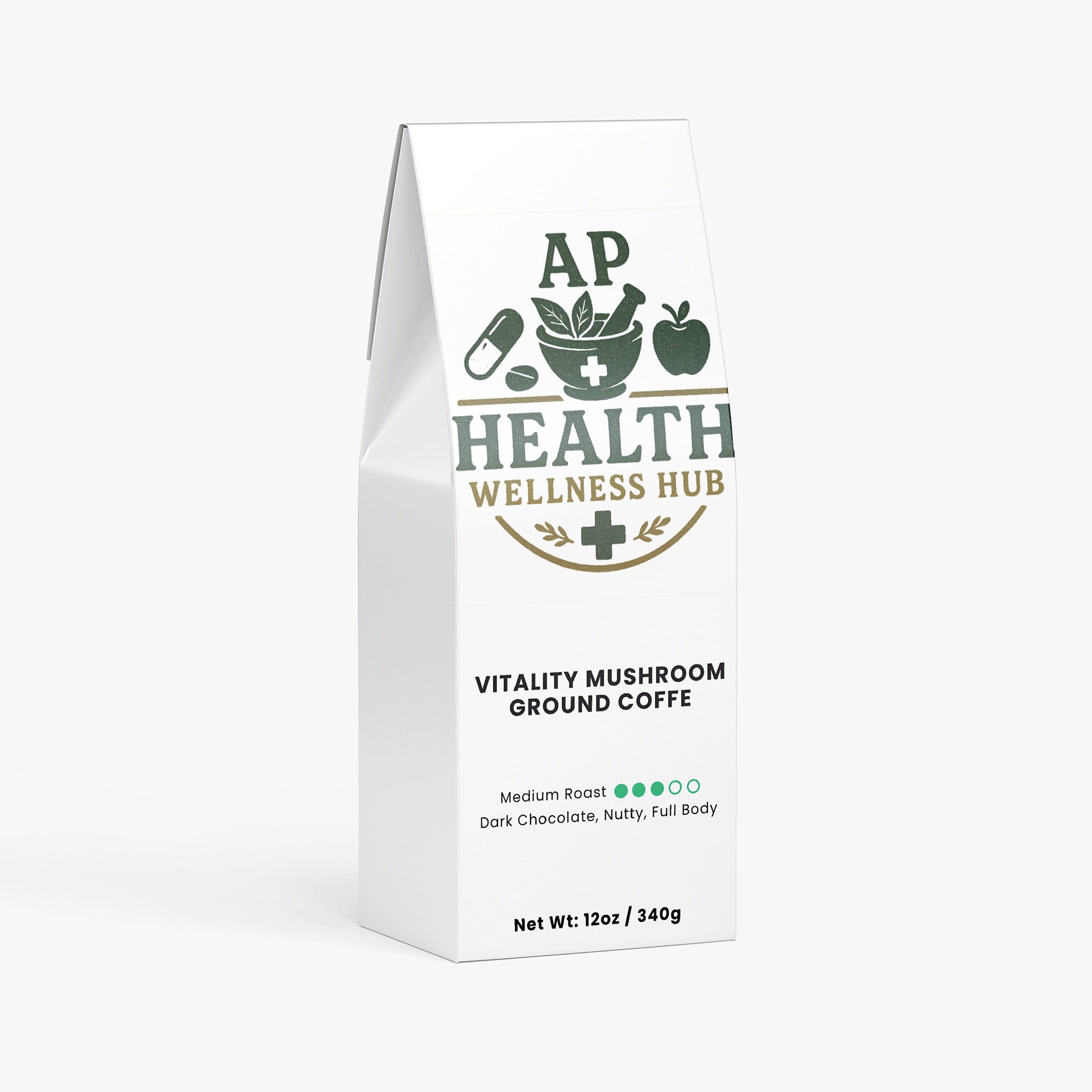
This is the most direct answer to the mushroom coffee vs regular coffee question. Vitality Mushroom Coffee (Medium Roast) is a medium-roast coffee blend that combines real coffee with functional mushroom extracts, priced at $54.50.
It's made for people who want their morning cup to do more than wake them up. The medium roast keeps the familiar coffee flavor intact. You're not swapping taste for function. You get both.
Where this separates from regular coffee is the added mushroom layer. Functional mushrooms like lion's mane and chaga have been studied for their potential effects on focus and immune support. UCLA Health notes that while mushroom coffee contains less caffeine than a standard cup, the adaptogenic compounds may help reduce the jittery side effects some people get from regular coffee.
That lower caffeine load matters. Regular coffee can push cortisol levels higher in the morning, which feels energizing but sometimes leads to a crash. Mushroom coffee tends to offer a steadier lift, which is why people with caffeine sensitivity often find it easier to tolerate.
The caveat: at $54.50, it costs more than a bag of standard grocery-store coffee. If you drink three cups a day and aren't bothered by caffeine, regular coffee is cheaper and does the job. But if you're looking to cut caffeine, support focus, or just try something that goes beyond the basics, this is the clearest starting point on our list.
https://shop.aphealthwellnesshub.online/products/vitality-mushroom-coffee-medium-roast
2. Fermented Mushroom Blend

The Fermented Mushroom Blend is not a coffee. It's a mushroom-only supplement blend at $51.90, and that distinction matters when you're comparing what mushroom products can do versus what regular coffee can do.
Regular coffee gives you caffeine. That's its primary mechanism. This product skips caffeine entirely and focuses on what mushrooms bring on their own: gut-friendly fermented compounds, adaptogenic support, and a broader spectrum of mushroom varieties than you'd typically find in a mushroom coffee blend.
Fermentation changes the bioavailability of the mushroom compounds. The fermentation process breaks down the tough chitin cell walls in mushrooms, which makes the active compounds easier for your body to absorb. That's a meaningful difference from simply adding dried mushroom powder to coffee.
Who is this for? People who already drink regular coffee and don't want to replace it, but want to add mushroom benefits alongside their existing routine. You keep your morning espresso and add this as a separate daily supplement. It's also a strong option for anyone who has cut coffee entirely but still wants the adaptogenic and digestive support that mushroom products offer.
The honest limitation is that without caffeine, it won't give you an energy spike. If you're switching from regular coffee hoping for a similar wake-up effect, this isn't that. It works differently, over time, rather than in the first twenty minutes after you drink it.
3. Forest Decaf Coffee (Medium Roast)

Sometimes the comparison isn't really about mushrooms at all. It's about caffeine. Forest Decaf Coffee (Medium Roast) at $27.45 sits in an important middle ground: it tastes like regular coffee, costs significantly less than a mushroom coffee blend, and removes the caffeine that causes problems for many people.
Regular coffee has roughly 95 milligrams of caffeine per cup on average. For people with anxiety, sleep issues, or acid reflux, that amount is the source of the problem. Decaf cuts that down to about 2 to 5 milligrams per cup while keeping the ritual and the flavor.
This medium roast is designed to taste like a full coffee experience. The medium roast profile means you get balanced acidity and body without the bitterness that can make some decafs feel flat. It's worth noting that decaf coffee still contains antioxidants, so you don't lose all the health benefits of regular coffee just by removing the caffeine.
The usable case for this one: if you want to drink coffee in the afternoon or evening without disrupting sleep, Forest Decaf lets you do that. It's also the most affordable entry point on this list at $27.45, making it easy to add to a routine without a big commitment.
It won't give you the adaptogenic mushroom compounds found in products like Vitality Mushroom Coffee. But for someone whose main issue with regular coffee is the caffeine, this is the simplest, most direct fix.
-
4. Fruity Bloom Coffee Pods (Light Roast)

Light roast coffee is a different experience from what most people picture when they think of regular coffee. Fruity Bloom Coffee Pods (Light Roast) at $19.90 are the most accessible entry point on this list, and they make a specific case for why roast level matters in the mushroom coffee vs regular coffee conversation.
Light roasts actually have slightly more caffeine by weight than dark roasts, because the longer roasting process burns off more caffeine. They also preserve more of the coffee bean's original flavor compounds, which is why this blend has a fruity, bright character rather than the bold, roasted notes most people associate with coffee.
The pod format means consistency. You get the same cup every time, which matters if you're building a wellness routine and want to track how coffee affects your energy, sleep, or digestion. Pods also reduce prep time, which is a real consideration for busy mornings.
This product doesn't have mushroom extracts. It's a clean, single-origin-style light roast coffee in a convenient format. The comparison to mushroom coffee here is about flavor and caffeine delivery, not adaptogens. If you enjoy coffee for its taste and want a brighter, less bitter cup than a dark roast provides, this is where to start.
At $19.90, it's the lowest price point on this list. That makes it a low-risk way to explore whether light roast coffee fits your routine before investing in a more specialized mushroom or functional blend.
5. Lemon Glaze Coffee (Light Roast)
Lemon Glaze Coffee (Light Roast) at $27.45 takes the light roast profile further with a distinct citrus note that makes it genuinely different from what most people picture when they compare mushroom coffee vs regular coffee.

Flavored coffees often rely on artificial syrups added after brewing. This is a different approach. The lemon glaze character comes through in the roast profile itself, which means the flavor is in the cup without needing a pump of syrup or a sweetener. For people who add flavored creamers to regular coffee, this offers a cleaner alternative.
The light roast also means the caffeine content is slightly higher than a dark roast equivalent. If you're moving away from mushroom coffee because you want more caffeine, a light roast is where you find it. If you're trying to moderate caffeine but don't want to go fully decaf, a light roast paired with a smaller serving size gives you more control.
This product is best for people who find regular coffee too bitter or too plain and want something more interesting without adding sugar or artificial flavors. It also works well as an afternoon pick-me-up when you want a lighter caffeine hit than a full dark roast provides.
One caveat: flavored coffees are polarizing. If you prefer your coffee tasting like coffee, this isn't for you. But if you've been adding lemon to your water or drinking citrus teas, you'll likely find this an easy transition. The $27.45 price point puts it in line with specialty coffee rather than grocery-store commodity blends.
6. Peppermint Coffee Scrub

The Peppermint Coffee Scrub at $22.00 is the one item on this list that isn't a drink. And that's the point. The mushroom coffee vs regular coffee comparison often focuses entirely on what you swallow, but coffee has documented benefits when applied to skin.
Coffee grounds are a well-established exfoliant. The caffeine in topical coffee products has been studied for its ability to temporarily reduce puffiness and improve circulation in the skin. According to Wikipedia's overview of caffeine's pharmacology, caffeine is absorbed through the skin and can act as a vasoconstrictor, which is why it appears in many eye creams and body treatments.
Peppermint adds a cooling, anti-inflammatory effect. The combination of coffee's stimulating properties and peppermint's soothing quality makes this a body care product that works on tired muscles and dull skin. If you've been doing physical activity and dealing with sore legs or back tension, a coffee scrub can be part of a recovery routine. People who follow osteopathic or manual therapy approaches, including those who explore knee strengthening exercises for pain relief, often add topical treatments like this to support their recovery between sessions.
This product doesn't replace your morning coffee. It extends the benefits of coffee into your self-care routine. At $22.00, it's an affordable addition to a wellness shelf that already includes one of the coffee or mushroom blends above.
The limitation is obvious: it's not a beverage, so it won't affect your energy or focus directly. But if you're building a full wellness routine around natural ingredients, this fills a gap that no cup of coffee, mushroom or otherwise, can fill.
7. Cordyceps Energy Gummies

Cordyceps Energy Gummies at $39.50 represent a completely different delivery method for mushroom-based energy support. No brewing required. No caffeine. Just cordyceps mushroom extract in a gummy format you can take anywhere.
Cordyceps has been used in traditional Chinese medicine for centuries and has attracted modern research interest for its potential effects on physical endurance and oxygen utilization. The mechanism is different from caffeine. Where regular coffee stimulates the central nervous system directly, cordyceps is thought to support the body's own energy production at a cellular level, specifically around ATP synthesis.
This makes Cordyceps Energy Gummies a strong option for people who want energy support without any caffeine at all. Athletes, people who work out in the evening, or anyone who has cut stimulants entirely can use this without worrying about sleep disruption. It's also a usable format. You don't need hot water, a coffee maker, or any prep. Two gummies and you're done.
The gummy format also makes dosing easy to track. With coffee, whether mushroom coffee or regular, the actual amount of active compounds varies based on brew strength, water temperature, and steep time. Gummies deliver a consistent dose every time.
At $39.50, Cordyceps Energy Gummies cost more than a bag of regular coffee but work in a fundamentally different way. They're not a coffee replacement for someone who loves the ritual of brewing and drinking. They're an energy support tool for someone whose goal is sustained physical and mental output without stimulants.
"Wellness doesn't have to be complicated. Start with one product that fits your main goal, whether that's cutting caffeine, adding adaptogens, or supporting your morning routine."
Frequently Asked Questions
Does mushroom coffee actually taste like mushrooms?
No. Most mushroom coffee blends, including Vitality Mushroom Coffee (Medium Roast), taste like regular coffee. The mushroom extracts are processed in a way that removes the earthy mushroom flavor. What you notice is a slightly smoother, less bitter cup compared to a standard dark roast, but there's no mushroom taste that most people can detect.
Is mushroom coffee better for you than regular coffee?
It depends on what you're optimizing for. Mushroom coffee has less caffeine and adds adaptogenic compounds from functional mushrooms, which may support focus and immune health. Regular coffee has more caffeine and is better studied for cognitive performance. Neither is universally better. UCLA Health suggests mushroom coffee may suit people who are sensitive to caffeine or want to reduce their intake without giving up coffee entirely.
Can I drink mushroom coffee every day?
Yes. Mushroom coffee is designed for daily use. The adaptogenic mushrooms in products like Vitality Mushroom Coffee work best with consistent use over time rather than as a one-time boost. Because the caffeine content is lower than regular coffee, daily use is generally easier on the adrenal system. As with any supplement, check with your doctor if you have existing health conditions or take medications.
What is the main difference between mushroom coffee and regular coffee?
The main difference is what's in the cup beyond caffeine. Regular coffee is roasted coffee beans and water. Mushroom coffee adds functional mushroom extracts, typically lion's mane, chaga, reishi, or cordyceps, which bring adaptogenic and immune-supporting compounds. Mushroom coffee also has less caffeine per serving, which affects how the energy feels: steadier and longer-lasting versus a sharper, shorter spike.
Are cordyceps gummies a replacement for coffee?
Not a direct replacement. Cordyceps Energy Gummies support energy through a different pathway than caffeine. They don't give you the immediate alertness that coffee produces. They're better used alongside your coffee routine or as a caffeine-free alternative for workouts and afternoon energy without disrupting sleep. Think of them as a complement rather than a substitute for your morning brew.
Which product should I start with if I'm new to mushroom coffee?
Start with Vitality Mushroom Coffee (Medium Roast). It's the most familiar format, tastes like regular coffee, and gives you a direct side-by-side comparison with your current brew. Once you know how your body responds to the lower caffeine and mushroom extracts, you can layer in other products like the Fermented Mushroom Blend or Cordyceps Energy Gummies to build a fuller routine.
Conclusion
The choice between mushroom coffee and regular coffee comes down to what you need from your cup. If you want less caffeine with added adaptogenic support, start with Vitality Mushroom Coffee. If you want to keep your regular coffee and add mushroom benefits separately, the Fermented Mushroom Blend or Cordyceps Energy Gummies fit around your existing routine without replacing it. Browse the full range at AP Health Wellness Hub and pick the one product that fits your main goal today.