

Vitamin D with or without Food? What to Know
Wondering if you should pop your vitamin D pill with breakfast or on an empty stomach? The answer isn’t as simple as “yes” or “no.” Here’s a clear, practical look at how food, timing, and the type of supplement all play a role in getting the most out of vitamin D.
How Food Can Affect Vitamin D Absorption
Vitamin D is fat‑soluble, which means it needs dietary fat to dissolve and travel into your bloodstream. When you eat a meal that contains healthy fats, such as avocado, nuts or olive oil, your body releases bile and pancreatic enzymes that help break down the vitamin and pull it into your gut lining.
But not every form needs a greasy side dish. Oil‑based liquid drops already carry fat, so they can be taken on an empty stomach and still reach the bloodstream quickly. Nano‑emulsion liquids break the vitamin into tiny particles, which may help absorption without a meal.
And then there are orodispersible films that melt on your tongue. Those dissolve without any food at all.
What to Eat With a Vitamin D Supplement
If you’re using a standard capsule, aim for foods that deliver at least 5‑10 g of fat. A handful of almonds, a slice of cheese, or a spoonful of full‑fat yogurt all fit the bill.
For a heart‑healthy twist, try avocado toast or a drizzle of olive oil over roasted veggies. Those choices add the needed fat without a lot of saturated calories.
When you prefer a liquid drop, you can take it straight from the bottle. The oil already carries the vitamin, so you don’t need a side dish. That makes it a convenient option for busy mornings.
And if you pick a film or a chewable, just let it dissolve on your tongue. No food required, though a small snack won’t hurt.
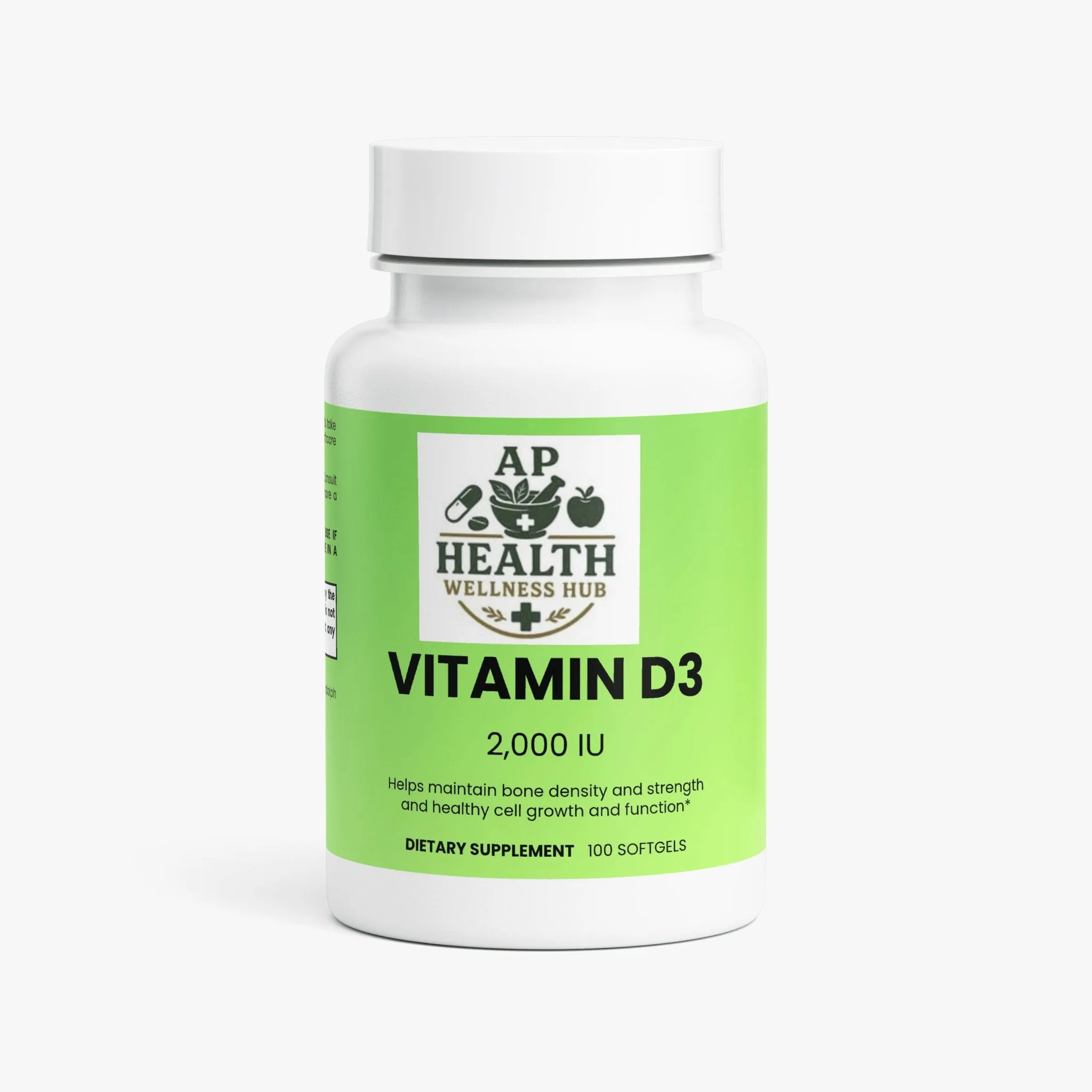
Looking for a reliable source? The Vitamin D3 2,000 IU supplement from AP Health Wellness Hub fits easily into a daily routine; check the label for the directions on taking it with food. Shop Vitamin D3 2,000 IU →
When to Take Vitamin D and How to Make It a Routine
Most people find morning the easiest time to remember a supplement. Placing the bottle on the breakfast table creates a visual cue that reduces missed doses.
Some research hints that taking vitamin D close to bedtime might interfere with melatonin production, which could affect sleep quality. Other studies suggest a nighttime dose could actually improve sleep. The evidence isn’t settled, so the best approach is to pick a time that fits your schedule and stick with it.
Consistency matters more than the hour of day. Whether you choose sunrise or sunset, aim for the same routine daily.
One easy habit: set a phone alarm for the same time each day, or keep your supplement next to a daily item like your coffee maker.
Want to see a quick visual guide? Below is a short video that walks through timing options and habit‑building tricks.
Another practical tip is to use a weekly pillbox. Load it on Sunday night, then grab the correct compartment each morning.
If you’re unsure which timing works best for you, try a two‑week trial of morning dosing, then switch to evening for another two weeks. Track energy levels, mood, and any sleep changes. The pattern that feels best is the one to stick with.
For a deeper look at deficiency signs and next steps, check out How to Spot Vitamin D Deficiency Symptoms and Take Action.
Supplement Labels, Dosage, and Safety Considerations
Reading the label is the first safety step. Look for the form (D2 vs. D3) and the amount per serving. Most adults need 600 to 800 IU daily, but many clinicians recommend 1,000 to 2,000 IU to maintain optimal blood levels.
High doses, above 4,000 IU per day, can push calcium too high and increase the risk of kidney stones. The tolerable upper intake level for adults is set at 4,000 IU, according to health authorities.
If you’re pregnant, nursing, or have a chronic condition, talk to a doctor before changing your dose. Certain medications, like steroids or weight‑loss drugs, can affect how vitamin D works in your body.
AP Health Wellness Hub’s Vitamin D3 2,000 IU supplement comes with clear dosage instructions on the label.
Finally, keep an eye on your lab results. A simple blood test measuring 25(OH)D tells you if you’re in the optimal range (30‑60 ng/mL). Adjust your supplement based on that number, not on guesswork.
Frequently Asked Questions
Can I take vitamin D on an empty stomach?
Yes, if you’re using an oil‑based liquid, a nano‑emulsion, or an orodispersible film. Those forms already contain fat, so they absorb well without a meal.
Do I need to eat fatty foods with every vitamin D dose?
No. Only standard capsules benefit noticeably from a fat‑rich meal. Other delivery formats work fine on their own.
What is the best time of day to take vitamin D?
The best time is the one you can do consistently. Morning works for most people, but evening is fine if it fits your routine and doesn’t disturb sleep.
How much vitamin D should I take daily?
Most adults aim for 1,000 to 2,000 IU per day. If you have a deficiency, a doctor may suggest a higher loading dose, but stay below the 4,000 IU upper limit without professional guidance.
Are there safety concerns with high‑dose vitamin D?
Excessive vitamin D can raise calcium levels, leading to kidney stones or calcification of soft tissue. Stick to the recommended upper limit and get blood work if you plan to take large doses.
Conclusion
For most people, pairing a capsule with a fat‑rich meal gives the best bang for your buck, while oil drops, nano‑emulsions and films can be taken without a meal. Choose a time you can remember, track how you feel, and adjust based on blood test results. Ready to try a reliable product? Shop the Vitamin D3 2,000 IU supplement from AP Health Wellness Hub and start building a simple, daily habit today.