

How to Spot Vitamin D Deficiency Symptoms and Take Action
Vitamin D deficiency can hide behind vague aches, mood swings, or a sudden fall. It’s easy to miss because the signs overlap with everyday fatigue. Below is a step‑by‑step plan to spot the clues, get the right test, and move toward a healthier level.
Step 1: Recognize the Common Symptoms of Vitamin D Deficiency
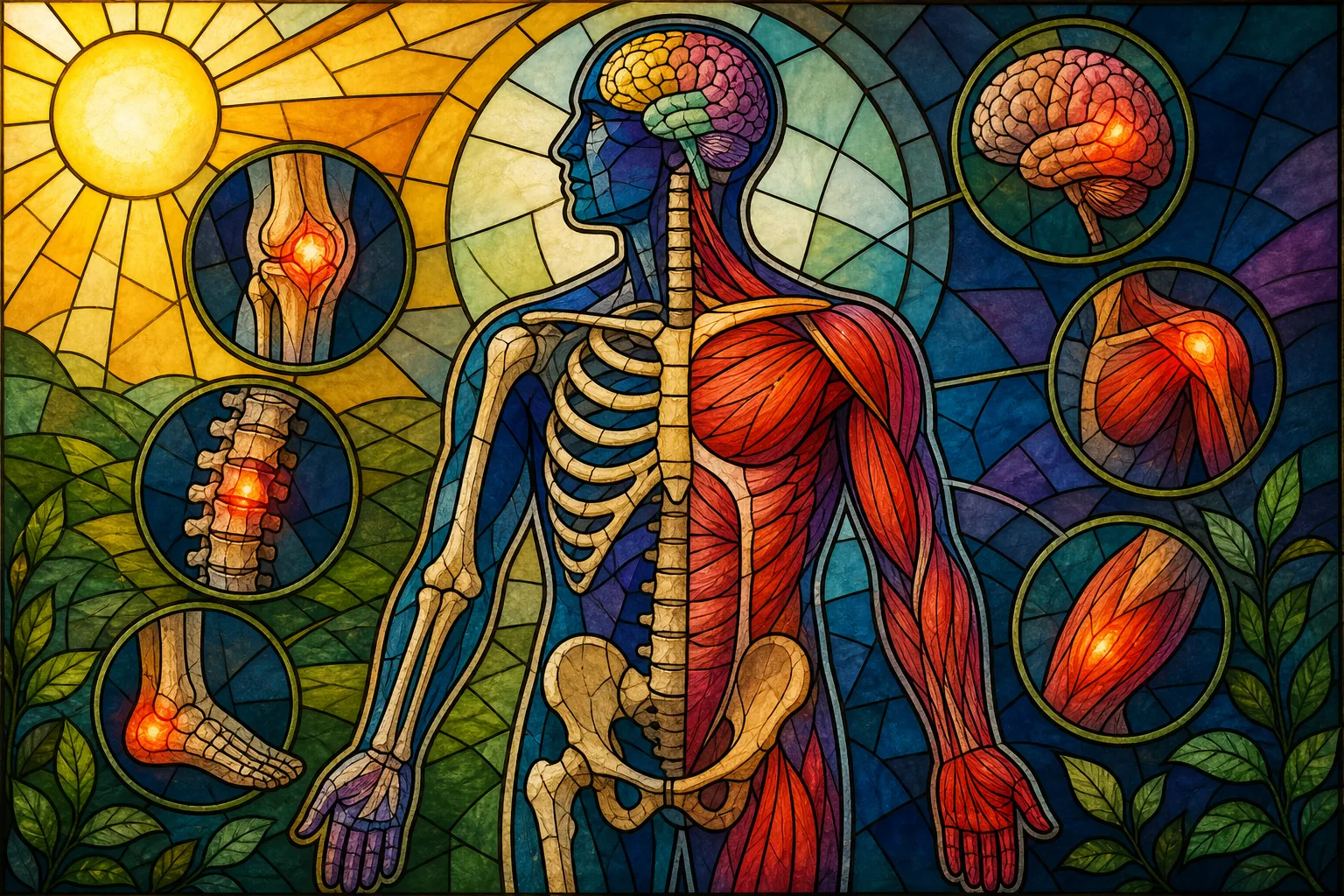
Start by scanning your body for the classic hints. Bone or joint aches that don’t improve with rest are a red flag. Muscle weakness, especially in the hips or shoulders, often shows up as trouble climbing stairs or lifting groceries.
Fatigue that feels deeper than a bad night’s sleep can point to low vitamin D. Some people notice mood dips or mild depression that seems out of proportion to life events. In severe cases, the deficiency can lead to hypocalcaemic seizures, laryngeal stridor, or even cardiac failure, though those are rare.
According to Wikipedia, the deficiency also raises the risk of falls in older adults because weakened muscles make balance harder.
When you notice any of these signs, write them down. A quick note will make the next doctor visit smoother.
Step 2: Check Whether Your Risk Factors Make Deficiency More Likely
Next, match your lifestyle to known risk factors. People over 65, those with darker skin, or anyone who spends most of the day indoors have a higher chance of low vitamin D.
Living in northern latitudes, using strong sunscreen daily, or covering most skin for cultural reasons also cuts sunlight exposure. Certain medical conditions, like Crohn’s disease, celiac disease, or kidney disease, interfere with vitamin D absorption.
Weight‑loss surgery, especially gastric bypass, reduces the gut’s ability to pull vitamin D from food. Even obesity can lower the amount of vitamin D that reaches the bloodstream because the vitamin gets stored in fat tissue.
If any of these apply to you, treat the risk as a signal to move quickly to testing.
Step 3: Arrange the Right Test Instead of Guessing
The definitive way to know your status is a 25‑hydroxyvitamin D blood test. It’s the most reliable marker because it reflects both dietary intake and sunlight‑derived vitamin D.
Ask your doctor to order the 25‑OH‑D test. Most labs report results in nanomoles per liter (nmol/L) or nanograms per milliliter (ng/mL). Levels under 50 nmol/L (20 ng/mL) indicate deficiency; under 30 nmol/L (12 ng/mL) signals severe deficiency.
Insurance often covers the test if you have a risk factor or symptoms. If you’re uninsured, many community health centers offer low‑cost labs.
While you wait for results, you can start a gentle supplement plan, but only after you know the numbers, because excess vitamin D can cause hypercalcemia.
For a simple vitamin D supplement, AP Health Wellness Hub’s Complete Multivitamin offers a balanced dose of D3 alongside other nutrients that support bone health.
Step 4: Discuss Safe Treatment and Supplement Use
When your test comes back low, schedule a follow‑up to talk dosage. Vitamin D3 (cholecalciferol) is the form most people absorb well. D2 (ergocalciferol) works too but often needs a higher dose.
Typical adult supplementation ranges from 1,000 IU to 4,000 IU daily, depending on how low your level is. Your provider may start you on a higher prescription dose for a short period, then shift to an over‑the‑counter maintenance dose.

Watch for interactions: some seizure meds, steroids, and weight‑loss drugs can speed up vitamin D breakdown. Let your doctor know every prescription and herb you take.
AP Health Wellness Hub also sells Ultra Cleanse Smoothie Greens, a plant‑based powder that includes vitamin D‑rich mushrooms and calcium‑supporting nutrients. Adding it to a morning shake can boost overall intake without a pill.
Step 5: Monitor Symptoms and Know When to Seek Urgent Care
After you begin treatment, keep tracking how you feel. Most people notice less bone pain and better energy within weeks.
If muscle weakness persists, or if you develop new symptoms like severe stomach pain, rapid heart rhythm, or unexplained seizures, seek urgent care. Those signs may mean calcium levels have swung too high.
Regular follow‑up labs every three months until you reach the target range (≥ 50 nmol/L) help fine‑tune the dose. Once stable, annual checks are enough for most adults.
For a gut‑friendly boost, consider AP Health Wellness Hub’s Probiotic 20 Billion. A healthy gut can improve vitamin D absorption, especially after bariatric surgery.
If you’re dealing with chronic back or neck pain, a specialist like Dr. Brian Edwards can evaluate whether low vitamin D is contributing to musculoskeletal discomfort.
FAQ
What are the most common vitamin D deficiency symptoms?
The most frequent signs include bone or joint pain, muscle weakness, persistent fatigue, and mood changes such as mild depression. Older adults often notice an increased risk of falls.
Do I need a blood test to know if I’m deficient?
Yes. The 25‑hydroxyvitamin D test is the gold standard for measuring vitamin D status and tells you if supplementation is needed.
Can I take vitamin D supplements without a prescription?
You can, but it’s best to know your baseline level first. Over‑the‑counter D3 is safe at moderate doses, while high prescription doses require medical supervision.
How long does it take to feel better after starting supplements?
Many people report less bone pain and more energy within 2 to 4 weeks, but full correction of a severe deficiency may take several months of consistent dosing.
When should I see a doctor urgently?
Seek immediate care if you develop seizures, severe heart rhythm changes, or sudden, intense bone pain, as these can signal dangerous calcium imbalances.
Take control of your health today: get a 25‑hydroxyvitamin D test, choose a safe supplement, and monitor your progress. Start with a simple blood test and let us guide you toward balanced vitamin D levels.