

Vitamin D Immunity: How It Works and Safe Use
Vitamin D does more than keep bones strong, it talks to your immune system, too. Below we break down what that means, where the nutrient comes from, and how to use it safely.
What Vitamin D Does for the Immune System
When vitamin D binds to its receptor on immune cells, it nudges them toward a balanced response. The active form, 1,25‑dihydroxyvitamin D, helps white blood cells spot invaders and reduces excess inflammation.
Research shows that sufficient levels keep the innate barrier, the skin and mucous membranes, more resilient, while also guiding adaptive cells to produce the right antibodies.

Because the hormone works at the genetic level, low vitamin D can let inflammation run unchecked, which may worsen chronic conditions.
Vitamin D Deficiency, Immunity, and Risk Factors
Deficiency is common, about one‑billion people worldwide fall short of optimal levels. Blood levels under 20 ng/mL signal a problem that can weaken immune defenses.
People with limited sun, darker skin, obesity, or malabsorption are especially at risk. Older adults often see a drop in skin‑based synthesis, while indoor workers miss the daylight cue. How to Spot Vitamin D Deficiency Symptoms and Take Action
Symptoms can be subtle: occasional fatigue, muscle aches, or frequent colds. Since the body stores vitamin D in fat, those with higher body‑fat percentages may need larger doses to reach the same blood level.
Screening with a vitamin D blood test lets you know if you need a boost before the immune system suffers.
Can Vitamin D Prevent Colds or Respiratory Infections?
Studies give mixed results. Some trials found that daily 2,000 IU to 5,000 IU reduced the odds of catching a cold, especially in people who started out low.
Other research showed no clear benefit for the general population, suggesting the effect hinges on baseline levels and dosage.
During the COVID‑19 pandemic, investigators noted a trend toward milder disease in those with higher vitamin D, but they stopped short of claiming causation.
The takeaway? Vitamin D isn’t a magic shield, but it can help keep the immune response in check when you’re deficient.
How to Get Vitamin D: Sunlight, Food, and Supplements
Sunlight is the cheapest source. Ten minutes of midday sun on face and arms can produce 1,000 IU, though skin type and latitude matter. wellness supplements collection
Food offers modest amounts. Fatty fish (salmon, mackerel), cod liver oil, and egg yolks each provide 200 to 400 IU per serving. Fortified milk or plant milks add another 100 IU.
Because diet rarely meets the 800 IU daily recommendation, most people turn to pills. Softgel vitamin D3 (cholecalciferol) is the most studied form. AP Health Wellness Hub sells a high‑dose 5,000 IU vitamin D3 softgel that’s made in the USA and tested for purity. immune support complex also bundles D3 with vitamin C and zinc for a broader immune boost.
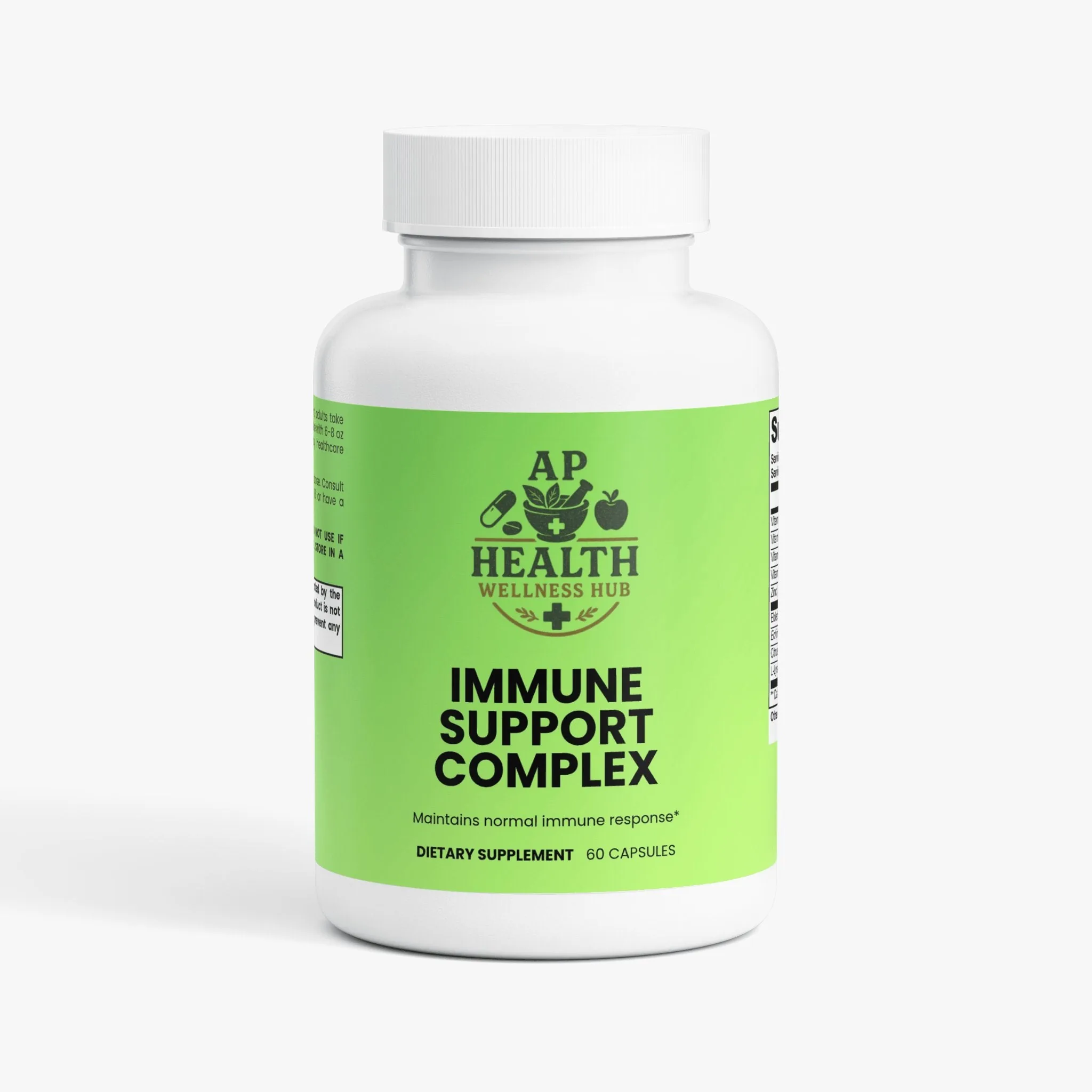
When you choose a supplement, look for verified potency and a clear dosage label. Avoid products that hide the amount of vitamin D behind proprietary blends.
Pro Tip: Pair your supplement with a little dietary fat, a handful of nuts or a splash of olive oil, to improve absorption.
Vitamin D Supplement Safety, Dosage, and Daily Use
Most adults tolerate up to 4,000 IU per day without issue, but higher doses are used under doctor supervision to correct deficiency.
Side effects appear when blood levels climb above 150 ng/mL, leading to hypercalcemia, symptoms include nausea, excessive thirst, and kidney stones.
Start low if you’re unsure. A common regimen is 1,000 IU daily for maintenance, or 5,000 IU for a few weeks to raise levels, then drop back to 2,000 IU for upkeep.
People with certain conditions (sarcoidosis, some kidney diseases) should avoid high doses because their bodies convert vitamin D too quickly.
AP Health Wellness Hub’s vitamin D3 softgel is labeled for daily use and includes a simple guide on how to taper after reaching target blood levels.
Remember to check your blood work after 8 to 12 weeks of supplementation to see if you’ve hit the sweet spot.
Frequently Asked Questions About Vitamin D and Immunity
Does vitamin D really boost the immune system?
Yes, vitamin D helps both innate and adaptive immunity by modulating cell activity and reducing inflammation. The effect is strongest when you’re deficient.
What blood level of vitamin D is considered sufficient for immunity?
Most experts aim for a serum vitamin D level above 30 ng/mL; many clinicians target 40 to 60 ng/mL for optimal immune function.
How much vitamin D should an adult take daily?
Generally 1,000 to 2,000 IU per day maintains levels, but higher doses (up to 5,000 IU) may be needed to correct a deficiency under medical guidance.
Can I get enough vitamin D from food alone?
Food provides only a fraction of the recommended intake, so most people need a supplement or regular sun exposure to meet their needs.
Is there a risk of taking too much vitamin D?
Yes. Excessive intake can cause high calcium levels, leading to nausea, kidney stones, or heart rhythm problems. Regular blood testing prevents this.
Should I take vitamin D with a meal?
Taking it with a small amount of fat improves absorption, so a snack that includes healthy oils works well.
For a simple start, add a high‑quality vitamin D3 softgel from AP Health Wellness Hub to your daily routine and schedule a blood test in a few months to see how you’re doing.