

Vitamin C Skin Health Benefits: How to Use It
Vitamin C can brighten, firm, and protect your skin, but only if you match the right type to your goals. Below is a step‑by‑step guide that shows you how to turn this antioxidant into real‑world results.
Step 1: Match Vitamin C Benefits to Your Skin Goals
First, decide what you want to improve: collagen loss, uneven tone, or UV‑induced damage. Each benefit lines up with a specific skin process.
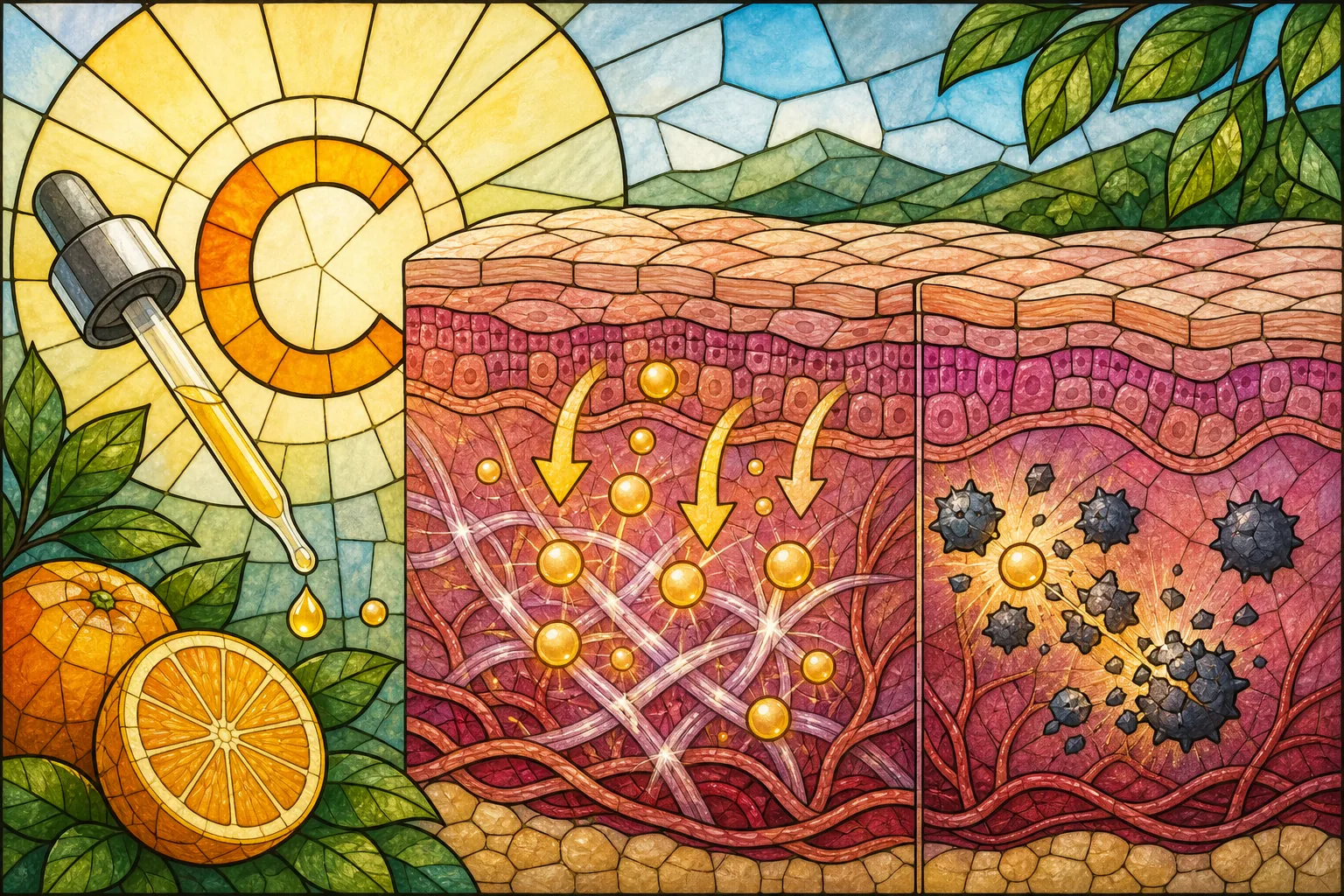
Ascorbic acid supports collagen synthesis, while L-ascorbic acid provides antioxidant protection. If loss of elasticity worries you, aim for a form that delivers the vitamin deep into the dermis.
Brightening comes from vitamin C’s ability to inhibit the enzyme tyrosinase, which makes melanin. Studies show that oral or topical vitamin C can reduce melanin synthesis. Choose a product that stays stable long enough to act on melanocytes.
UV protection isn’t about sunscreen; it’s about neutralizing free radicals generated by sun exposure. Vitamin C scavenges superoxide, hydroxyl, and singlet oxygen, limiting DNA damage in skin cells.
When you know which outcome matters most, the next step is to pick a formulation that actually reaches the target layer.
For a usable example, our Best Collagen Powder for Skin in 2026 pairs oral vitamin C with hydrolyzed collagen, giving a dual boost for those focused on firmness.
Step 2: Choose the Right Vitamin C Form and Strength
Vitamin C comes in many chemical shapes, and each shape decides how stable it is, how it feels, and how deep it can go.
Pure L‑ascorbic acid (AA) is the gold‑standard. It works best at 10‑20 % concentration and a pH below 3.5, where the molecule is mostly uncharged and can slip through the stratum corneum. The downside is rapid oxidation and a possible sting on reactive skin.
Derivatives like sodium ascorbyl phosphate (SAP) and magnesium ascorbyl phosphate (MAP) stay stable at a neutral pH. They convert to AA inside the skin, so they are gentler for sensitive types. THD ascorbate is oil‑soluble, allowing it to travel through lipid layers and reach deeper fibroblasts without acidity.
When you read a product label, look for three clues: form, concentration, and packaging. Opaque, airless bottles protect AA from light and oxygen. Derivatives often come in clear pumps because they’re less prone to oxidation.
Our health‑beauty collection offers several vitamin C serums that match these criteria, from a 15 % L‑ascorbic acid option to a 5 % SAP blend.
The right form matters as much as the percentage. For most people, a 10‑15 % AA serum gives visible brightening, while a 5‑10 % SAP or MAP serum is safer for redness‑prone skin.
Pick the strength that aligns with your tolerance. Start low, watch for any tingling, then step up if your skin handles it.
Step 3: Apply Vitamin C Without Unnecessary Irritation
Even the gentlest vitamin C can cause a brief pinch if the pH is too low or the concentration is too high. The key is to introduce it slowly.
Begin with a patch test: dab a pea‑size amount on the inner forearm, leave it for 48 hours, and note any redness or burning.
If the test is clean, apply the serum to a clean, dry face every other morning for two weeks. Keep the amount small , a few drops cover the entire face.
Follow with a barrier‑repair moisturizer that contains ceramides or niacinamide. This combo calms any mild inflammation and locks in hydration.
Avoid using strong acids (AHA/BHA) or retinoids at the same time as vitamin C during the first month. The overlap can push the skin’s pH too far and increase irritation.
For sensitive complexions, sodium ascorbyl phosphate and THD ascorbate are options; sodium ascorbyl phosphate offers gentler skin tolerance, while THD ascorbate is a lipid‑soluble antioxidant with deeper skin penetration. Choose one of these derivatives if you’ve struggled with stinging in the past.
When you see a yellow‑tint in the bottle, the vitamin has oxidized and lost potency. Replace it promptly , fresh product works better.
Step 4: Support Skin Health With a Consistent Food‑First Routine
Topical vitamin C works best when your body already has a solid pool of the nutrient from diet.

Eat a variety of raw fruits and vegetables each day. Citrus, kiwi, strawberries, bell peppers, and broccoli deliver the water‑soluble vitamin that feeds skin cells.
Research shows that dietary vitamin C boosts dermal collagen and reduces oxidative stress, even though the effect is less dramatic than a serum . Pairing food with topical use creates a “double‑dose” effect.
For busy people, a daily scoop of a superfood powder that contains antioxidant blends can fill gaps. Our Reds Superfood Powder offers 25+ fruit extracts rich in vitamin C, making it an easy morning addition.
Stay hydrated. Water helps transport nutrients from the bloodstream to the dermal layer where vitamin C acts on fibroblasts.
Finally, protect what you’ve built. Broad‑spectrum mineral sunscreen (SPF 30 +) shields against UV‑driven vitamin C depletion.
FAQ
Can I use vitamin C serum every day?
Yes, most people can apply a stable vitamin C serum each morning after cleansing. If you notice redness, drop to every other day until your skin adjusts.
What concentration is best for beginners?
A 5‑10 % serum, either a gentle derivative like SAP or a low‑percentage L‑ascorbic acid, offers visible brightening with minimal sting.
Do I need vitamin E or ferulic acid with vitamin C?
Will oral vitamin C replace a serum?
Oral intake helps overall skin health but does not achieve the high concentrations that a topical serum can deliver directly to the epidermis.
How long before I see results?
Most users notice smoother texture and a brighter tone within 2‑4 weeks; collagen‑related firmness improvements often take 8‑12 weeks.
Is vitamin C safe for acne‑prone skin?
Yes, especially water‑soluble derivatives like SAP, which also have mild antibacterial properties that can help reduce breakouts.
Ready to see clearer, firmer skin? Start with a gentle vitamin C serum, feed your skin from the inside with antioxidant‑rich foods, and keep a simple routine that protects your progress. Add a daily dose of our Reds Superfood Powder and watch the glow build.
Ready to put this into practice? AP Health Wellness Hub was built for exactly this.