

Mushroom Coffee vs Matcha: Energy, Taste and Fit
You’ve probably stared at the shelf and wondered whether the earthy buzz of mushroom coffee or the calm lift of matcha suits you better. Here’s a side‑by‑side look at the two drinks, so you can pick the one that fits your day.
We analyzed 58 YouTube comments about mushroom coffee vs matcha and found that 16% mentioned unpleasant taste.
Caffeine and Energy: How the Lift Differs
Mushroom coffee blends keep the coffee base’s caffeine, but often dial it down. Caffeine levels vary by blend. Some premium blends, like AP Health Wellness Hub’s Vitality Mushroom Coffee, list 80 mg because they use regular beans and add only a tiny mushroom dose.
Matcha delivers caffeine from the whole leaf. Plain matcha can contain 13 to 68 mg per serving, though exact amounts vary. The L‑theanine in matcha slows the caffeine’s spike, so the lift feels smoother and lasts longer.
Bottom line: if you need a gentle half‑cup of coffee’s buzz, low‑caffeine mushroom coffee is the clear winner. If you want a modest caffeine lift with a calming edge, matcha takes the edge.
When you shop, look for a clear caffeine label so you can match your daily limit.
Ready to try a low‑caffeine boost? Best Mushroom Coffee Picks for 2026 walks you through the options.
Ingredients and Potential Benefits: Blend vs. Tea Leaf
Mushroom coffee mixes ground Arabica with extracts of lion’s mane, reishi, chaga, or cordyceps. Those fungi supply beta‑glucans and antioxidants. The coffee itself still provides chlorogenic acids, a different antioxidant family.
Matcha is simply powdered Camellia sinensis leaves. Because you consume the whole leaf, you get catechins (especially EGCG) and a full suite of micronutrients.
Both drinks claim focus benefits. The caffeine‑L‑theanine combo in matcha has been shown in small studies to improve attention switching without the jitter. Mushroom coffee’s adaptogens aim for “steady energy, no crash,” but the evidence mostly comes from single‑mushroom trials at higher doses than the blend provides.
Bottom line: if you chase antioxidants, matcha wins on catechins. If you want a modest dose of mushroom beta‑glucans plus coffee’s polyphenols, mushroom coffee gives a hybrid profile.
Curious about the best way to add adaptogens to your routine? What Are Adaptogens? Uses, Benefits and Safety explains the basics.
Taste, Preparation, and Daily Routine
Mushroom coffee aims to taste like regular coffee. AP Health Wellness Hub’s Vitality Mushroom Coffee uses a 90/5/5 coffee‑to‑mushroom ratio, so the flavor stays familiar while adding a subtle earthiness. No special gear needed, just stir the instant powder into hot water or milk.

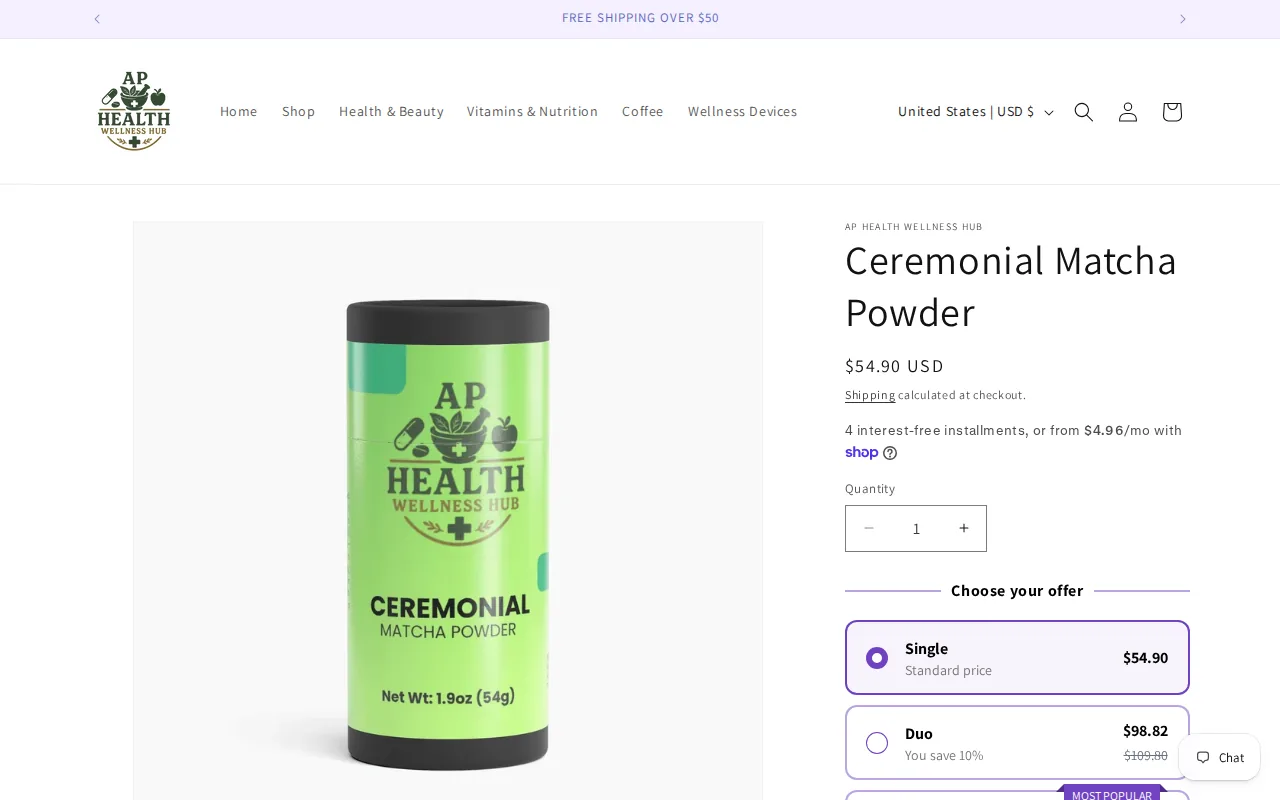
Matcha requires a whisk or frother to dissolve the fine powder. A teaspoon sifted into 70 ml of 80 °C water, whisked in a “W” motion, yields a smooth, slightly grassy foam. The ritual itself can be a calming pause before work.
Both drinks dissolve in hot liquids, but cold‑brew performance differs. Mushroom coffee often mixes well in iced drinks because the coffee base is already soluble. Matcha can clump in cold water; many users pre‑mix with a splash of warm water before adding ice.
If you’re after convenience, mushroom coffee wins. If you enjoy a mindful prep ritual, matcha gives a sensory boost.
Which Is Better for You? Fit, Cautions, and Everyday Choice
Think about your caffeine tolerance. If you feel jittery after a regular cup, low‑caffeine mushroom coffee (20 to 30 mg) can give you a milder lift without the crash. If you can handle a modest caffeine dose and want a calming effect, matcha’s L‑theanine combo may feel smoother.
Health cautions matter. People with mushroom allergies should steer clear of mushroom coffee.
Budget-wise, compare product prices and serving sizes before choosing. Choose based on taste and effect rather than cost.
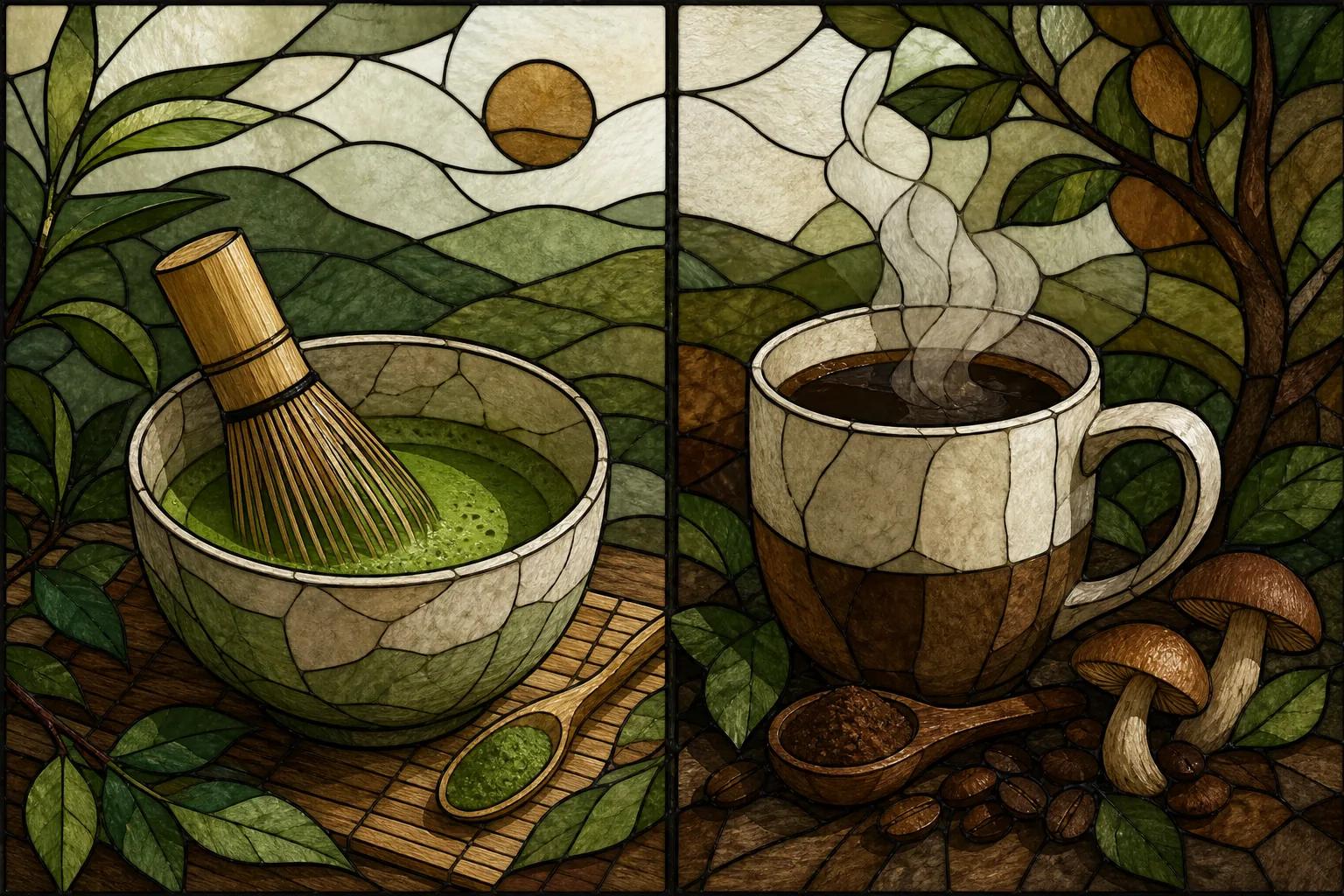
Bottom line: pick mushroom coffee if you love coffee’s flavor, need lower caffeine, or want a quick‑mix routine. Choose matcha if you appreciate the whisking ritual, crave higher antioxidants, and don’t mind a slightly higher caffeine feel.
Want to start a habit? How to Use Matcha Powder Safely and Its Health Benefits gives simple steps.
FAQ
Which drink has more caffeine?
Matcha typically contains 40 to 55 mg per serving, while mushroom coffee ranges from 20 mg in low‑caffeine blends to 80 mg in full‑coffee versions.
Do mushroom coffee blends taste like mushrooms?
No. Most blends, including AP Health Wellness Hub’s Vitality Mushroom Coffee, taste mostly like regular coffee because coffee makes up most of the blend.
Is the L‑theanine in matcha real?
Yes. L‑theanine is an amino acid abundant in shade‑grown tea leaves, and it pairs with caffeine to smooth the energy spike.
Can I drink both in one day?
Sure. Just watch your total caffeine, a typical mushroom coffee (30 mg) plus a matcha serving (45 mg) stays under the 400 mg daily limit for most adults.
Are there any side effects?
Mushroom coffee can cause mild stomach upset for some, especially if you have a mushroom sensitivity. Matcha may cause jitters if you exceed your caffeine tolerance.
Conclusion
If you crave coffee’s flavor with less jitter, start with AP Health Wellness Hub’s Vitality Mushroom Coffee. If you prefer a calm, antioxidant‑rich lift, go for ceremonial matcha. Add the chosen drink to your morning routine and notice the difference.