

How Much Protein Powder Per Day? A Practical Guide
Wondering how much protein powder per day you really need? The answer changes with your weight, goals, and daily routine. Below we break down the math, the timing, and the safety checks so you can use powder wisely.
We analyzed 49 comments from Reddit and YouTube about daily protein powder intake and found that 20% mentioned a convenient way to meet macros.
Protein Powder Is a Supplement to Your Daily Protein Total
Protein powder adds protein to the overall amount you eat each day. It does not replace whole foods; it fills the gaps when meals fall short. A typical scoop from many brands weighs about 30 g of powder and delivers 20‑25 g of protein, but the exact numbers vary by formula.
Scoop weights and protein content vary, so always read the label.
For resistance-training adults, aim for 25‑30 g protein per serving and 1.6‑2.2 g/kg/day total. Powder can help fill a gap; timing is less critical.
Because powder is dense, a heaped scoop can add extra grams without you noticing. Use a kitchen scale if you track macros precisely. The supplement is most useful when you consistently miss the 0.8 g/kg protein baseline from food alone.
Keep the powder dry and sealed. Moisture can clump the powder, changing the weight of each scoop. A dry container also protects the delicate amino acids from degradation.
Remember, the label tells you the exact grams per serving. Treat the scoop as a volume guide, not a weight guarantee.
Daily Protein Targets Depend on Body Weight, Age, and Activity
How much protein you need starts with body weight. The basic recommendation for sedentary adults is 0.8 g per kilogram. Active people and older adults need more. For example, a 70 kg (154 lb) adult who lifts regularly aims for 1.4‑2.0 g/kg, which equals 98‑140 g protein daily. Lean, trained people in a calorie deficit sometimes go higher to preserve muscle. For adults 65+, research points to about 1.2‑1.6 g/kg.
Age also shifts the balance. Younger adults can meet needs with the RDA, but muscle‑building goals push the target toward 1.6‑2.2 g/kg. For most lifters, benefits level off past 2.2 g/kg.
Weight‑based ratios translate into different scoop counts. If your goal is 120 g protein and a scoop gives 24 g, you’d need five scoops, but that likely means your food intake is too low. It’s usually better to add whole‑food protein first, then use powder for the remaining 20‑40 g.
Per meal, about 0.25‑0.4 g/kg is a common guide. For a 60 kg person that is roughly 15‑24 g, or about one scoop.
Calculate Your Protein Gap Before Measuring a Scoop
First, total the protein you get from food. Use a nutrition tracker or read labels. Subtract that sum from your target amount. The remainder is your “protein gap.”
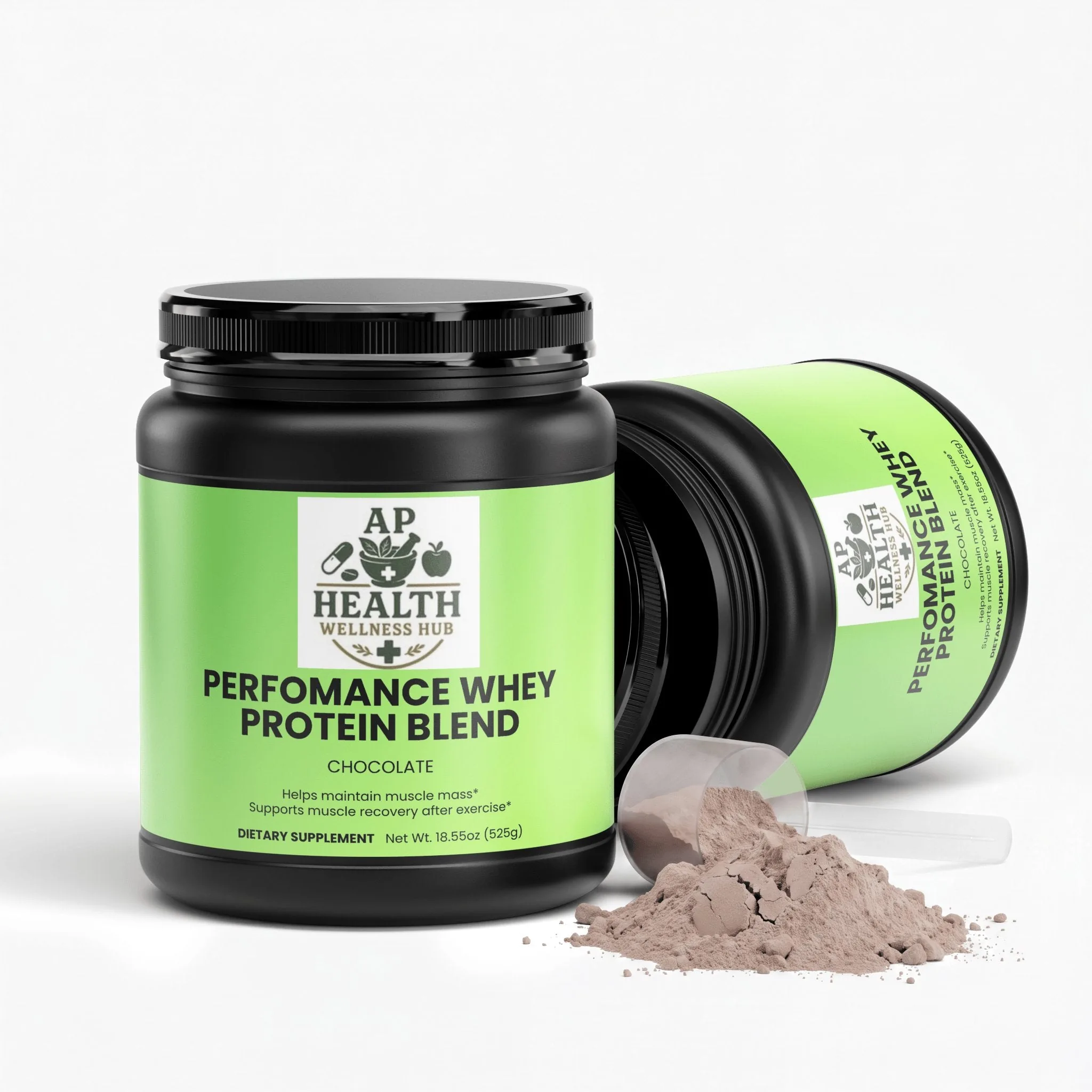
For many active people, the gap falls between 20‑50 g. One scoop of whey (≈24 g protein) often closes that gap neatly; Shop Performance Whey Protein Blend (Vanilla) → for a convenient option.
If the gap is under 20 g, you might meet it with a high‑protein snack, like Greek yogurt or a handful of nuts, without needing powder.
When the gap is larger, check the label of any powder you consider. Look for protein‑by‑weight percentages; a blend with 80 % protein will need less powder for the same gram count.
Here’s a quick formula:
Protein gap (g) ÷ protein per scoop (g) = number of scoops needed.
Example: Target 120 g, food provides 85 g, gap = 35 g. If your powder gives 24 g per scoop, you need 1.5 scoops. Split it into one full scoop post‑workout and a half scoop at a snack.
Use a barcode scanner on the tub to pull the exact protein per serving into your app. How to Read Supplement Labels: A Step‑by‑Step Guide walks you through that process.
Once you know the exact gap, you can decide whether a scoop fits your schedule or if you need two smaller servings spread across the day.
Adjust the Amount for Your Situation, and Know When to Ask a Professional
Not everyone can safely load up on protein. Healthy kidneys usually handle a moderate increase, but excessive intake can strain filtration.
If you have kidney disease or a family history of kidney problems, talk to a doctor before raising your protein intake.
Pregnant or nursing women should get a professional’s guidance before adding powder, as protein needs shift and some ingredients may not be ideal. Older adults benefit from a higher protein intake to maintain muscle mass, but they also need to monitor kidney function.
When you’re in a calorie deficit, a higher protein intake can help protect lean tissue. Powder becomes a handy tool because you can add protein without many extra calories.
If you’re vegan, choose a plant‑based blend with at least 80 % protein by weight. Those often need a slightly larger scoop to match the leucine content of whey.
And always store powder in a cool, dry place. Moisture can cause clumping and may foster microbial growth over time.
When in doubt, schedule a quick chat with a registered dietitian. They can review your food log and health history and suggest the right amount for you.
Frequently Asked Questions
What is a safe daily amount of protein powder for most adults?
Most healthy adults can safely take one scoop (20‑25 g protein) per day, as part of a total daily intake that suits their weight and activity.
Can I use protein powder on rest days?
Yes. Your total protein target stays the same on rest days, so a scoop can help you hit the goal when meals are lighter.
Do I need to take protein powder after every workout?
Not necessarily. If you already ate a protein‑rich meal within a few hours of training, an extra scoop may be redundant.
Is plant‑based protein powder as effective as whey?
Plant blends can match whey’s muscle‑building effect if they provide enough leucine, usually requiring a slightly larger serving.
Will too much protein powder hurt my kidneys?
Excessive protein can increase kidney workload, especially if you have pre‑existing kidney disease. Stay within the recommended range and consult a doctor if you have concerns.
How do I know if my powder’s label is accurate?
Check the protein‑per‑100 g figure and calculate the expected grams per scoop. If the math doesn’t line up, the product may be mis‑labelled.
Conclusion
Start with one scoop of a high‑quality whey or plant blend from AP Health Wellness Hub, then adjust based on your calculated protein gap and any health considerations. Track your intake, listen to your body, and consult a professional if you have kidney or pregnancy concerns. Read our safety guide → and add powder to your routine with confidence.