

Creatine and Hydration: What to Know
Thinking creatine means you have to chug gallons of water? Not true. The science says you only need a modest sip per scoop, and you can stay hydrated with ordinary daily habits. Below we break down how creatine interacts with water, when you might need more fluid, and simple ways to keep things balanced.
We analyzed 54 YouTube comments about creatine and hydration and found that 17% mentioned possible side effects.
How Creatine Affects Water in the Body
Creatine is a small molecule that lives inside muscle cells. When you add more creatine, the cells hold a little extra water, a process called intracellular osmotic swelling. This swelling helps the muscle stay pliable and supports protein synthesis, but it stays inside the cell rather than pulling water from the rest of your body.
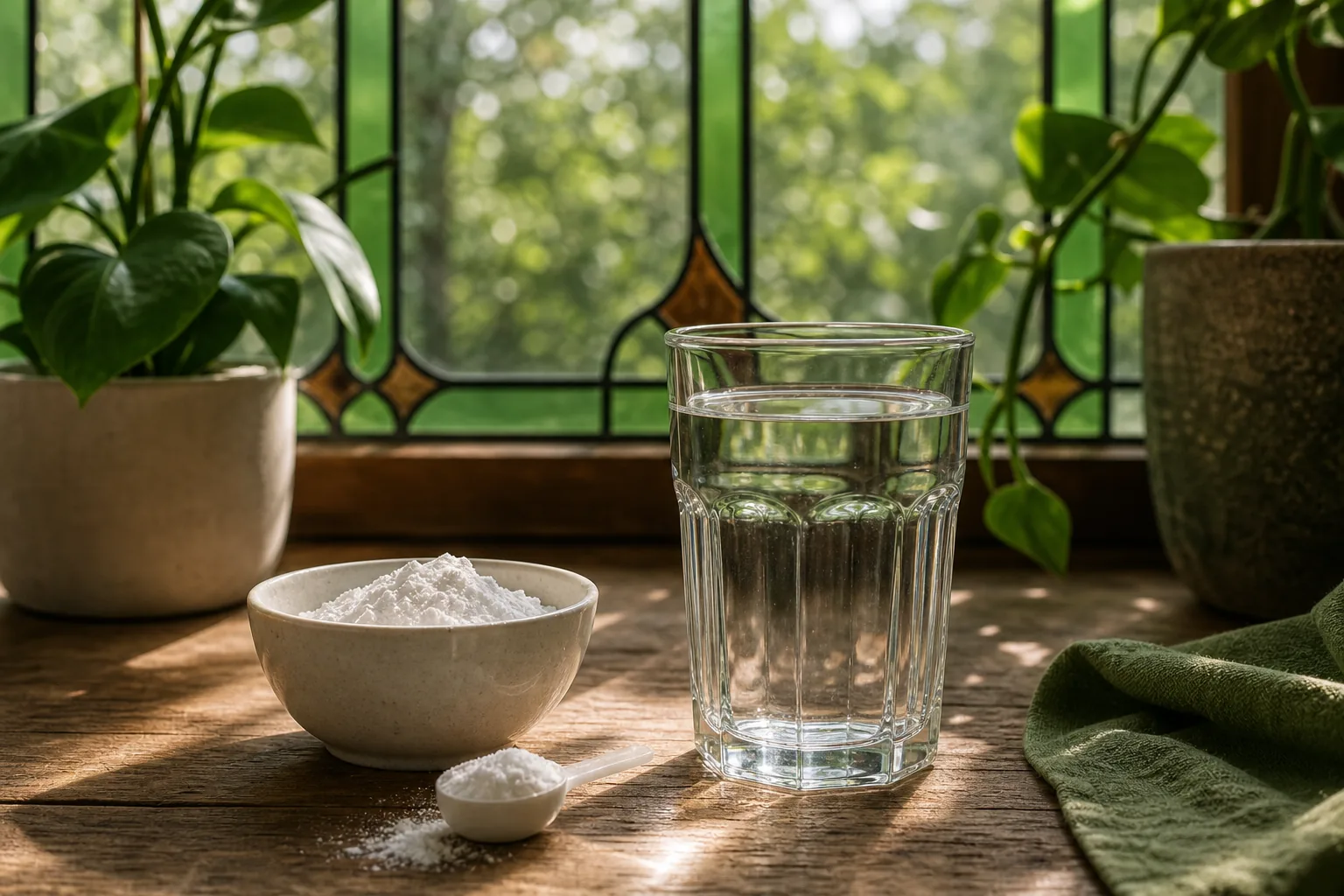
A 5 g dose is typically mixed with 4‑8 oz of fluid, and that amount is enough to dissolve the powder and start the cellular uptake process. [1] The extra water stays in the muscle fibers, which can make them look slightly fuller after a loading phase.
Because the shift is internal, you don’t lose water from your bloodstream or extracellular spaces. In practice, many users notice a small weight gain of a few pounds that’s water in the muscles, not fat. [2]
Bottom line: creatine adds water where it belongs, inside the muscle cell, without draining the rest of your system.
Does Creatine Make You Need More Water?
The short answer is no, you don’t need to dramatically increase your daily water budget just because you take creatine. Most protocols simply ask you to dissolve each scoop in a few ounces of liquid; they don’t require you to double or triple your overall intake.
The consensus is that a normal hydration habit, roughly 2‑3 L per day for most adults, is sufficient.
That said, exercising in hot or humid conditions can raise fluid loss, and the same studies note that you should adjust your water intake to match sweat rates. In those cases, the extra water isn’t because of creatine itself but because of the environment.
Daily Fluids, Exercise, and Electrolytes
General fluid needs depend on body size, activity level, and climate. The American College of Sports Medicine recommends drinking to replace sweat losses, which can be roughly 0.5‑1 L per hour of moderate‑intensity work in warm weather.
Electrolytes, especially sodium, help your body hold on to the fluid you drink. When you sweat, you lose both water and electrolytes, and the transporter that carries creatine into muscle (SLC6A8) depends on sodium.
One practical tip is to sip a drink with a modest amount of sodium after a sweaty session to replace what you lost. How to Use Electrolyte Powder Safely
And if you’re training fasted or on a low‑carb diet, adding a small carb source (like a banana) may help a little, since insulin supports creatine uptake into muscle.
How to Use Creatine Without Overcomplicating Hydration
Here’s a no‑frills routine that works for most active adults:
- Pick a time you can take a scoop every day, morning with breakfast or post‑workout works fine.
- Mix the scoop in 6‑8 oz of water or a flavored electrolyte drink. Our Passion Fruit Hydration Powder adds electrolytes to the mix. Shop Passion Fruit Hydration Powder →
- Drink it soon after mixing.
- Stay on your regular water schedule, aim for 2 L on rest days, 2.5‑3 L on training days, adjusting for sweat.
That plan covers dose, mixing, timing, and overall fluid balance without any complicated calculations.
Hydration Myths, Warning Signs, and When to Ask a Clinician
Myth #1: Creatine causes dehydration. Studies at standard doses have not shown that it does.
Myth #2: You must drink until you’re “clear” all the time. Urine color is a better gauge. Light straw means you’re fine; clear water can mean you’re over‑hydrating, and dark amber signals you need more fluid.
Warning signs that merit a medical check include persistent muscle cramps despite adequate electrolytes, swelling that doesn’t subside, or a sudden jump in serum creatinine on lab work (which can happen with high doses). People with kidney disease should talk to a doctor before starting creatine.
If you notice any of the above red flags, schedule a quick visit with a sports‑medicine professional. A sports-medicine professional can assess cramps, hydration status, and movement health for athletes and active adults.
FAQ
Does creatine cause dehydration?
No. Creatine moves water into muscle cells, which can actually reduce the risk of dehydration‑related cramps when you stay properly hydrated.
How much water should I drink with each creatine scoop?
Mix each 5 g scoop in 4‑8 oz (120‑240 ml) of fluid; that amount is enough to dissolve the powder and start absorption.
Should I increase my total daily water intake when I start creatine?
Not necessarily. Stick to your usual 2‑3 L daily intake, adjusting only if you sweat heavily or train in hot conditions.
Can I take creatine on an empty stomach?
Yes, but pairing it with a small carb or electrolyte source can improve uptake, especially after fasted workouts.
Is creatine safe for older adults?
Studies show it supports muscle health and may improve cognitive processing in seniors, provided they follow standard dosing and have no kidney issues.
When should I see a doctor about creatine?
If you have chronic kidney disease, notice persistent cramps, or see a sudden rise in serum creatinine on labs, get medical advice before continuing.
Conclusion
Creatine gives you a modest water boost inside the muscle without forcing a massive increase in overall fluid intake. Start with a simple daily scoop mixed in a few ounces of water or electrolyte drink, and keep your regular hydration habits. Check our timing guide to lock in consistency and get the most out of your supplement.
Ready to put this into practice? AP Health Wellness Hub was built for exactly this.