

How to Use Electrolyte Powder Safely
Electrolyte powder can help replace minerals lost through sweat, vomiting, or diarrhea. But more isn't always better. Use the steps below to choose a suitable formula, mix it as directed, and fit it into your day without overdoing it.
Step 1: Understand What Electrolyte Powder Is
Electrolyte powder is a dry mix that dissolves in water. It supplies minerals that carry an electric charge once they dissolve. Those minerals help your body manage fluid balance, nerve signals, muscle movement, and blood pH.
The main electrolytes in the body include sodium, potassium, calcium, magnesium, chloride, phosphate, and bicarbonate. Sodium sits mainly outside cells, while potassium is found mainly inside them. Together, they help control how water moves through cell walls.
That process is called osmosis. Put simply, water moves toward the side with more dissolved particles. This helps keep cells from taking in too much water or losing too much of it. Dissolved salts split into charged ions in water.
Your muscles and nerves also depend on these minerals. Calcium helps trigger muscle contraction. Magnesium supports muscle relaxation after contraction. Sodium helps nerve cells send signals. The details are complex, but the daily takeaway is simple: fluid and mineral balance work together.
Most healthy adults get enough electrolytes through food and normal drinks. An electrolyte powder may make more sense after long periods of sweating or during fluid loss from illness. It isn't a cure for dehydration caused by a serious medical problem.
Start by asking what you need. Is it a drink for a long workout, a hot day, or a specific fluid loss? If you mostly sit indoors and eat regular meals, plain water may cover your needs.
By now, you should know the job you want the powder to do. Next, read the label with that job in mind.
Step 2: Check the Label for the Right Ingredients
The label tells you what an electrolyte powder can actually provide. Turn the package to the nutrition panel and scan the mineral amounts before you think about flavor.
Look first for sodium. Sweat contains water plus minerals, with sodium and chloride among the main losses. The amount you lose varies by person, so one formula won't fit every workout or climate.
Then check potassium, magnesium, and calcium. They may appear in different amounts, or one may be missing. That isn't automatically a problem. Your goal is to match the formula to your use, rather than chase a label with the longest ingredient list.
Next, check sugar and sweeteners. Sugar can add carbohydrate, which may suit a long endurance session but may not suit your daily plan. If you want a low-sugar or keto-friendly option, look for those claims on the label and confirm the full ingredient panel.
Pay attention to serving directions. A scoop may not equal a packet. The label may tell you how much water to use, how often to take the product, or whether it should be used during exercise. Follow those directions instead of guessing.
Also scan for extras that matter to you. Some blends include caffeine, B vitamins, flavor agents, or other active compounds. “Natural flavors” is a broad label term. It doesn't tell you every detail about the source or blend, so contact the maker if you need more information.
Health needs can change the label decision. People with kidney disease, heart disease, high blood pressure, or a fluid restriction should ask a clinician before using a mineral drink. The same applies if you take medicines that affect fluid or mineral levels.
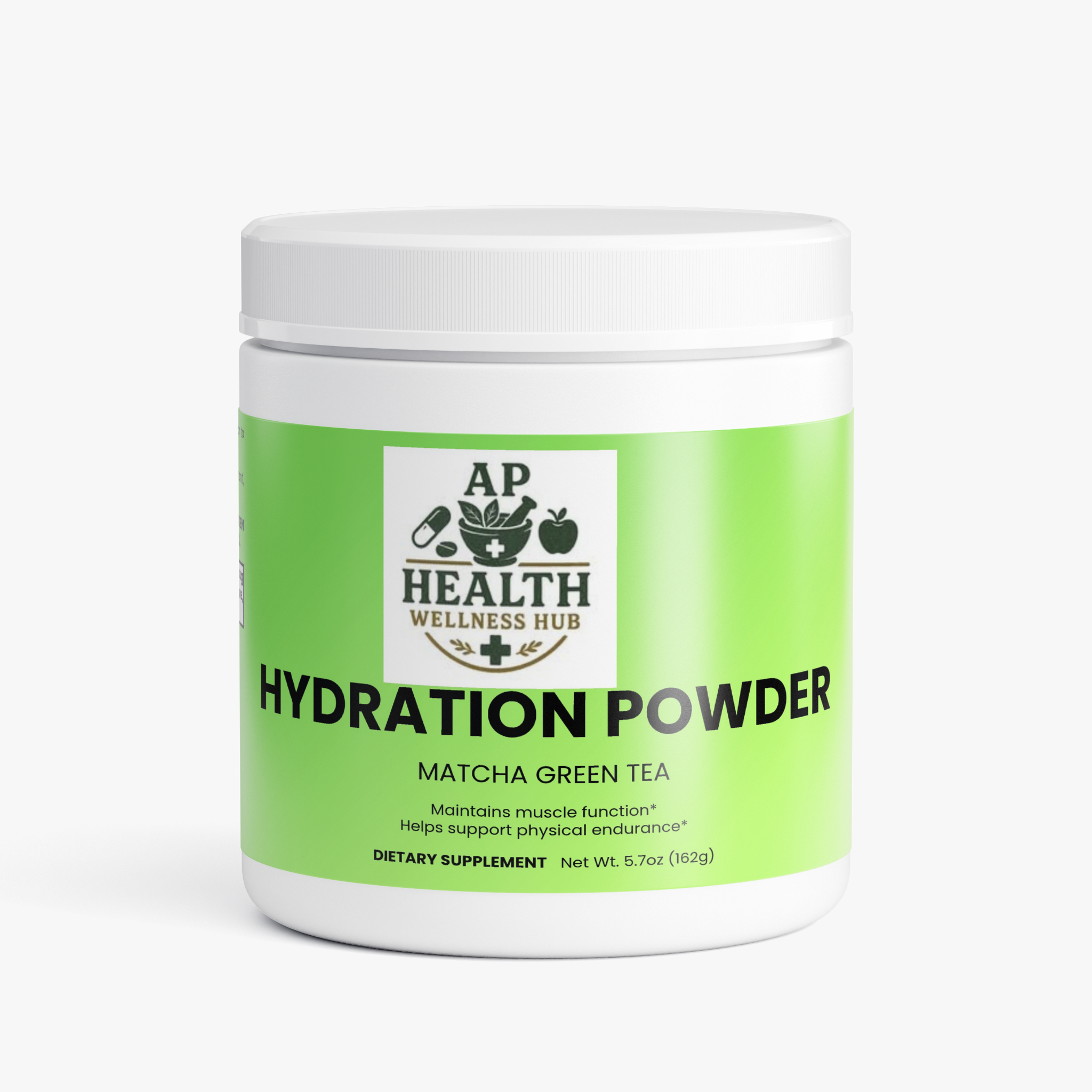
For a simple everyday choice, AP Health Wellness Hub's Matcha Green Tea Hydration Powder is listed as a no-sugar, keto-friendly formula with electrolytes and B vitamins. Read the current label before use, since the package is the final source for directions.
The label should answer three questions: what minerals are present, how much counts as one serving, and what else comes with them. If it doesn't, choose a product with clearer information.
Step 3: Mix Electrolyte Powder Correctly
Correct mixing starts with the water amount on the label. Too little water makes a strong drink. Too much water makes a weaker drink. Neither choice follows the product's intended formula.
Use a clean bottle or glass. Add the water first if the label allows it. Then add the powder, close the bottle, and shake until the mix dissolves. Water at a cool or room temperature usually works well, but follow any temperature advice on the package.
Don't use a kitchen spoon as a substitute for the included scoop unless the label gives a spoon measure. Household spoons vary in size. A heaped scoop can also exceed the listed serving.
Mix one serving at a time unless the product gives clear batch instructions. A large batch can make it easy to lose track of how much powder you drank. It can also sit at room temperature longer than you intend.
Drink the mixture soon after making it. If you save it, seal it and refrigerate it when the label permits. Discard a drink that smells odd, changes in an unexpected way, or has been left out for a long time.
Taste can guide your routine, but it shouldn't guide your dose. If the drink tastes too strong, don't add extra powder to improve the flavor. Add water instead, then check the label before changing the serving.
AP Health Wellness Hub lists its Passion Fruit Hydration Powder as a drink with essential electrolytes. You can review the Passion Fruit Hydration Powder details before deciding whether its directions fit your routine.
By now, you should have a repeatable mixing habit. Keep the scoop dry, close the container well, and follow the serving directions each time.
Step 4: Choose the Best Time to Drink It
The best time to use electrolyte powder depends on why you need it. Timing matters less than the amount of fluid you lose and the directions on the label.
For exercise, consider drinking it during or after a long, hard session, especially in heat. Sweat loss rises with time, effort, clothing, and weather. A short, easy workout may not call for a special electrolyte drink.
For a hot day, take small sips as you spend time outside. Pair the drink with normal meals and plain water. Don't wait until you feel very unwell to think about hydration.
Illness needs more care. Vomiting and diarrhea can cause fluid and mineral loss. An over-the-counter rehydration product may be more suitable than a sports-focused powder, depending on the situation. Read the directions and ask a doctor or pharmacist when symptoms are significant.
Don't treat an electrolyte drink as a general fix for fatigue. Poor sleep, low food intake, stress, infection, and many health conditions can cause low energy. Adding more minerals won't solve every cause.
Timing also matters when a formula contains extras. A matcha-based drink may not fit late evening if caffeine affects your sleep. Check the label for caffeine or other active ingredients before making it part of your night routine.
Use a simple test after each use: did you sweat heavily, lose fluids through illness, or spend hours in heat? If the answer is no, you may not need a supplement that day.
For people who train with weights, AP Health Wellness Hub also lists a Creatine Hydration Powder that combines creatine monohydrate with electrolytes. That is a different use case from plain hydration, so follow its product directions and consider your full supplement routine before adding it.
The right timing is the one that matches the event. Plan for the activity, not for a vague promise of more energy.
Step 5: Adjust Your Routine for Your Needs
A safe electrolyte powder routine starts with your health, diet, activity, and climate. Make one change at a time so you can tell how your body responds.
If you exercise in heat, keep the powder as one part of the plan. Take breaks. Wear light clothing. Drink plain water as needed. A mineral drink can't replace shade, rest, or medical care for heat illness.
If you follow a low-sugar or keto plan, compare the total carbohydrate amount with your daily target. “Sugar-free” does not always mean calorie-free. Sweeteners can also affect taste or digestion for some people.
If you eat a balanced diet, you may need electrolyte powder only for special situations. Food can supply minerals through ordinary meals. A supplement should fill a clear gap, not push your total intake higher without a reason.
Use extra caution if you have a kidney condition, heart condition, high blood pressure, or a prescribed fluid limit. Ask a healthcare professional before use if you take medicine that affects blood pressure, kidney function, or fluid balance.
Stop and seek medical advice if you develop severe weakness, confusion, fainting, chest symptoms, a fast or irregular heartbeat, or ongoing vomiting. Serious fluid or electrolyte problems can become urgent.

Keep a brief note for the first week. Record the activity, heat, approximate fluid loss, product serving, and any symptoms. This can help you spot a pattern. It also gives your clinician useful detail if a problem comes up.
AP Health Wellness Hub focuses on simple wellness products for busy routines. If you choose one of its hydration formulas, start with the label directions and one clear use case. Add more only after you know that first product fits.
By now, you should have a clear plan for when to use the powder, how to mix it, and when to skip it.
FAQ
What does electrolyte powder do?
Electrolyte powder adds minerals to water after you mix it. These minerals carry an electric charge and support fluid balance, nerve signals, and muscle function. It can help replace losses after heavy sweating or illness, but it doesn't replace medical treatment for severe dehydration or an electrolyte problem.
How much water should I mix with electrolyte powder?
Mix electrolyte powder with the water amount printed on its label. The right volume depends on the formula and serving size. Don't guess with a kitchen spoon or make the drink stronger because it tastes mild. If the flavor is too strong, add water rather than adding more powder.
Can I drink electrolyte powder every day?
You can use some electrolyte powders daily if the label allows it and your health needs support that choice. Many people get enough minerals from food and regular drinks. Daily use may be a poor fit if you have kidney or heart disease, high blood pressure, or a fluid limit. Ask a clinician first.
Is electrolyte powder good for workouts?
Electrolyte powder may help during long or sweaty workouts, especially in heat. A short, easy session may not cause enough mineral loss to need it. Choose a formula that fits your sugar and caffeine needs. Keep drinking plain water and take breaks instead of relying on the powder alone.
Can electrolyte powder help with dehydration from diarrhea?
Electrolyte powder may help with some fluid loss, but the right rehydration product depends on the cause and severity. Ongoing diarrhea or vomiting can become serious. Follow the package directions and contact a doctor or pharmacist if symptoms continue, become severe, or come with weakness, confusion, fainting, or very little urination.
Conclusion
Use electrolyte powder for a clear need, follow the label, and match the formula to your health and activity. Start with one serving during a known sweat or fluid-loss situation, then watch how you feel. AP Health Wellness Hub can be a simple place to compare hydration options for your daily routine, but ask a healthcare professional first if you have a medical condition or take related medicines.