

Coffee Scrub Benefits: What It Can and Can’t Do
Looking for a simple way to freshen up skin? A coffee scrub can give you a quick glow without pricey chemicals. Below we break down what a coffee scrub does, where it shines, and where it falls short.
We analyzed 46 YouTube comments about coffee scrub benefits and found that 41% mentioned oil substitutions.
What Is a Coffee Scrub, and How Does It Work?
A coffee scrub is a blend of ground coffee beans and a carrier oil or butter that you massage onto wet skin. The fine coffee particles act as a mechanical exfoliant, sloughing off dead cells while the caffeine and antioxidants linger on the surface.
When you rub the grains in gentle circles, they lift away dead surface cells. At the same time, caffeine can constrict blood vessels, giving a temporary tightening effect that looks like a mini lift.
Because the ingredients are simple, many DIY recipes use pantry staples. If you prefer a ready‑made option, Peppermint Coffee Scrub from AP Health Wellness Hub combines organic coffee grounds, brown sugar, and sea salt with coconut and castor oils and a peppermint scent. Shop Peppermint Coffee Scrub →
Finer grounds tend to exfoliate more gently, while coarser ones offer a deeper polish. Coffee’s natural scent can make the routine feel like a mini spa.
Potential Coffee Scrub Benefits for Skin
One of the main draws is the antioxidant power of coffee. Polyphenols such as chlorogenic acid help neutralize free radicals that speed up aging.
In a short‑term sense, caffeine’s vasoconstrictor action can briefly reduce puffiness, giving a brighter look that fades once the product is washed off.
Exfoliation also smooths rough patches, making skin feel softer and appear more even. For those who love a quick pick‑me‑up before a beach day, this can be a handy trick.
For a deeper look at antioxidant synergy, check out the Vitamin C Skin Benefits guide, which covers how vitamin C supports brighter-looking skin.
Coffee Scrubs, Caffeine, and Cellulite: What the Evidence Can Say
Many ads promise that coffee scrubs can erase cellulite. The idea is that caffeine dehydrates fat cells, making dimples less visible.
Science, however, tells a mixed story. Caffeine appears in several cellulite creams, but no study has isolated a coffee scrub to prove a direct effect.
One plausible mechanism is the massage action itself. Massaging the skin can improve lymphatic drainage, which may temporarily smooth the surface.
Even with these theories, the consensus is that coffee scrubs can’t erase cellulite permanently. They may offer a short‑term visual improvement, especially when paired with a healthy lifestyle.
How to Use a Coffee Scrub Without Over‑Exfoliating
Start with clean, damp skin. Apply a thin layer of scrub and massage in gentle circles for about a minute. Rinse with warm water and pat dry.
Most dermatologists recommend using a coffee scrub no more than two times a week. If your skin feels tight or looks red, wait a few days before the next session.
After rinsing, follow up with a moisturizer to lock in hydration. This step is important because the physical exfoliation can strip natural oils.
If you’re new to scrubbing, do a patch test on your forearm. Wait 24 hours; if no irritation appears, you’re likely safe to use it on larger areas.
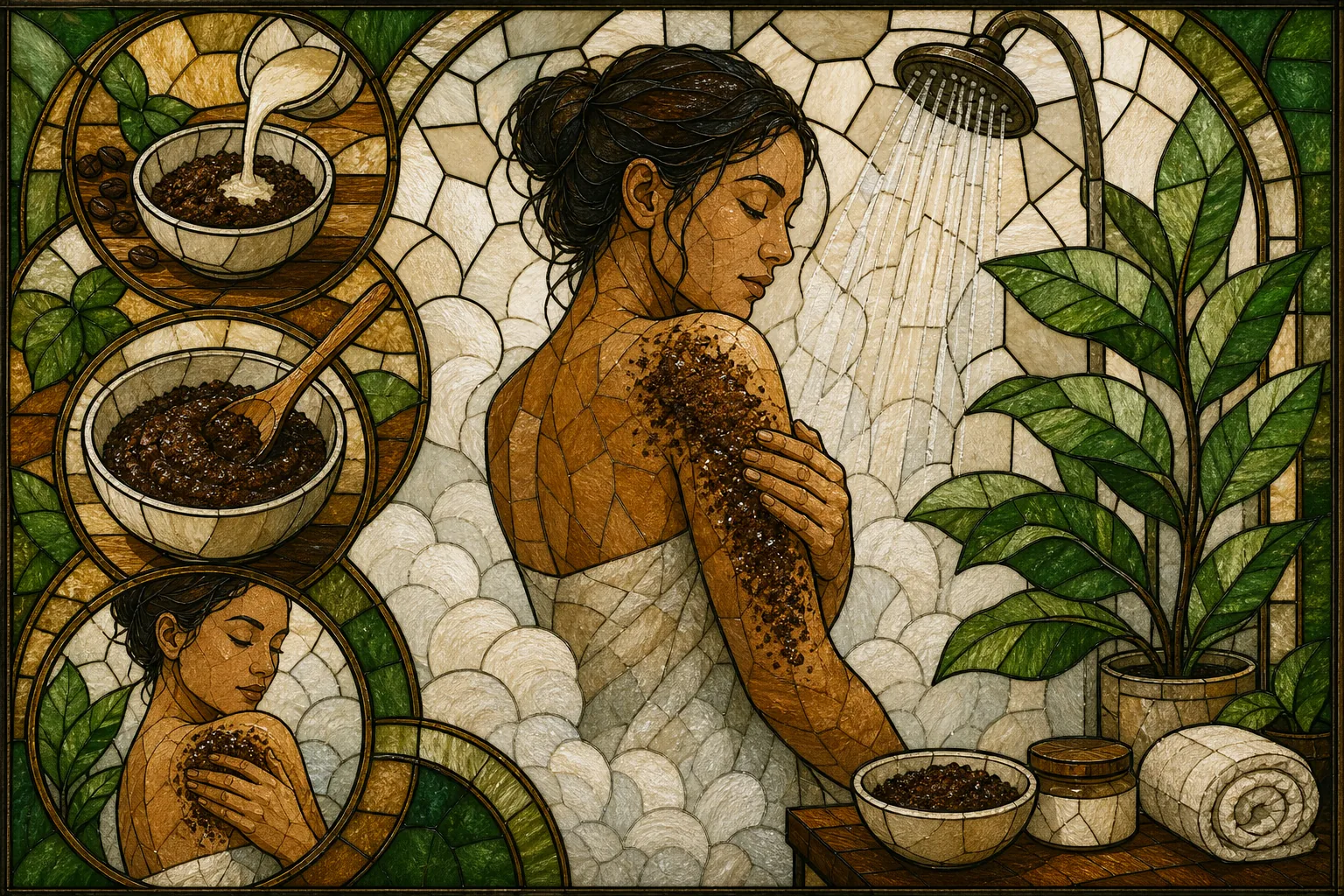
For a step‑by‑step routine, see How to Use a Body Scrub: Step‑by‑Step Guide. The guide walks you through choosing a gentle formula, applying it correctly, and keeping your skin barrier healthy.
Who May Want to Skip a Coffee Scrub?
People with sensitive skin conditions such as eczema, rosacea, or active acne should avoid coffee scrubs. The gritty texture can worsen inflammation or cause micro‑tears.
If you’re allergic to coffee or have a known caffeine sensitivity, a scrub could trigger dermatitis. A simple patch test will reveal any reaction.
Those using strong retinoids or chemical exfoliants should also hold off. Combining multiple abrasive methods can over‑strip the skin and lead to redness or peeling.
Finally, if you’re looking for a permanent solution to cellulite, a coffee scrub alone won’t cut it. Consider professional treatments or a complete fitness plan instead.
Frequently Asked Questions
Do coffee scrubs really reduce cellulite?
They may soften the look of dimples temporarily, but scientific studies haven’t proven a lasting reduction.
Can I use a coffee scrub on my face?
It’s possible, but the coarse grains can be too harsh for delicate facial skin. Opt for a finer grind or a product formulated specifically for the face.
How often should I exfoliate with a coffee scrub?
Most experts suggest 1 to 2 times per week. Adjust based on how your skin feels; if you notice irritation, cut back.
Is there a benefit to adding oil to a coffee scrub?
Adding carrier oils like coconut or jojoba can soothe the skin and prevent dryness after exfoliation.
Are DIY coffee scrubs as effective as store‑bought ones?
DIY mixes give you control over ingredients, but they lack preservatives, so use them within a week and keep them sealed.
Conclusion
If you want a quick, affordable boost for smoother skin, a coffee scrub can deliver short‑term radiance and a pleasant aroma. Try the Peppermint Coffee Scrub, follow the safe‑use tips, and see how it fits your routine. Shop Peppermint Coffee Scrub →