

Beetroot Powder Side Effects: What to Know
Beetroot powder side effects are often mild, such as pink urine or an unsettled stomach. But a less common risk is a sharp drop in blood pressure when beetroot is mixed with certain medicines.
Knowing how the powder works, what symptoms to watch for, and when to ask a health professional can help you decide if it fits your routine.
What Is Beetroot Powder, and Why Can It Affect People Differently?
Beetroot powder is made from dried beets that have been ground into a fine powder. It may be mixed into a drink or added to food. The exact mix of plant compounds can vary with the beet source and how the powder is made.
One key compound is nitrate. After you eat or drink it, bacteria in your mouth help change nitrate into nitrite. Your body can then turn nitrite into nitric oxide, which relaxes blood vessels. That change may affect blood flow and blood pressure. It also helps explain why the same supplement can feel different from one person to another.
The amount of nitrate can vary among beet products. A label that gives only the weight of beetroot powder may not tell you how much nitrate is in a serving. So two products with the same powder weight may not have the same effect.
Your health and other products you take matter too. A person with low blood pressure may notice lightheadedness, while someone else may not feel a change. A history of kidney stones or use of blood pressure medicine can also change the risk. This is one reason a food-based powder still deserves care.
Beets contain red pigments called betalains. Some pass through the body without being fully broken down. That can cause pink or red discoloration of urine after beetroot consumption; this is generally benign and not an indicator of pathology.
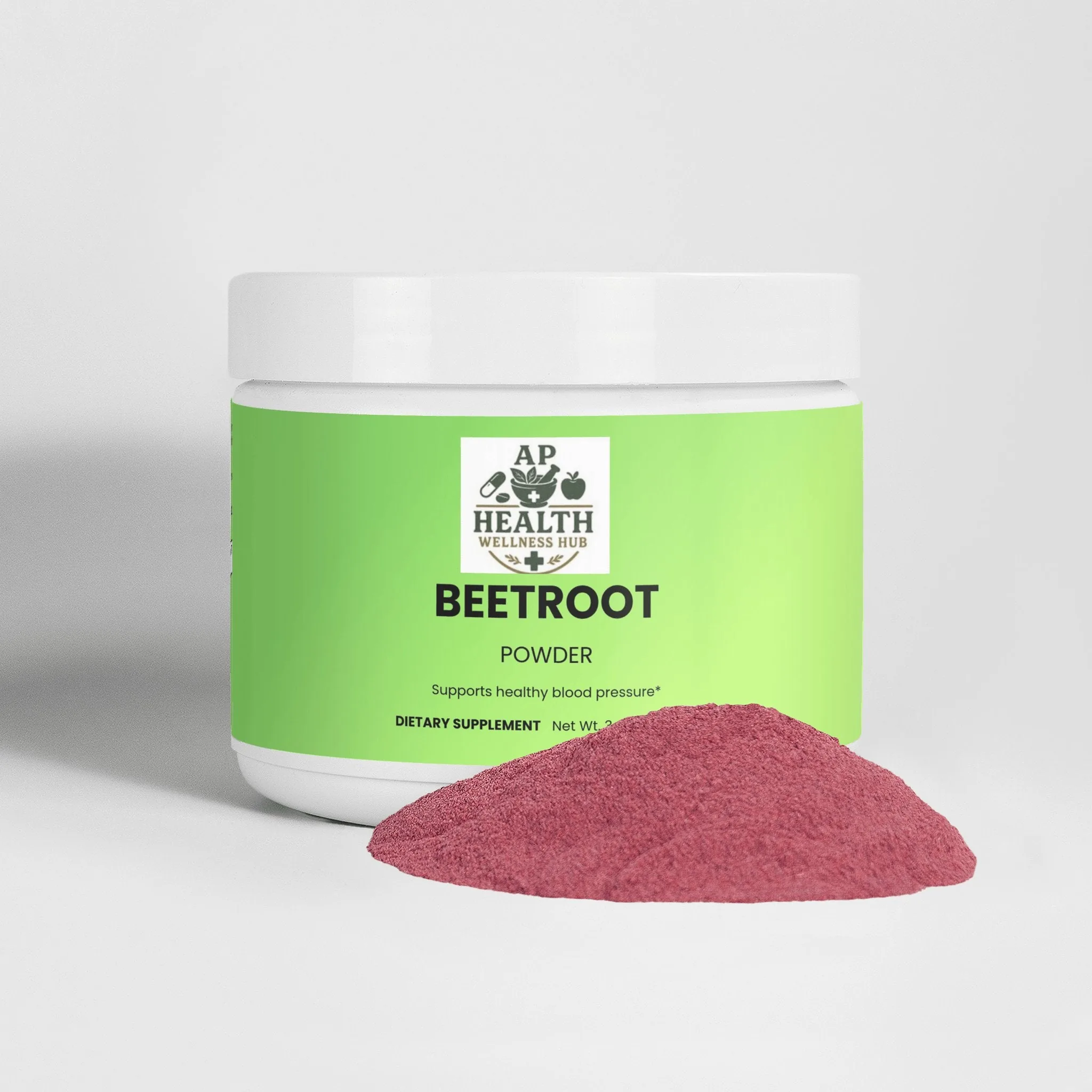
AP Health Wellness Hub sells beetroot powder as part of its wellness range. If you're considering it, think about your medicines and health history first, rather than assuming a plant-based product is right for everyone.
Common, Usually Temporary Effects: Red Urine, Red Stools, and Digestive Upset
Red or pink urine after eating beets is called beeturia. It can look alarming, but it is usually harmless and doesn't mean your kidneys are damaged. Research summaries report that it affects about 10 to 14% of people after beetroot intake. The pigment responsible can pass through the body and color urine.
Red stools can happen too. The change is usually temporary and may be more noticeable after a larger amount of beetroot. Still, don't assume every red or dark stool is from food. If it continues after you stop beet products, or comes with pain, weakness, faintness, or other new symptoms, seek medical advice.
Color changes are more likely to be harmless when they follow beet intake and fade after the food or powder leaves your system.
Digestive discomfort is another possible effect. Some people notice gas, bloating, cramps, loose stools, or diarrhea. The amount you take may matter, and a powder made from the whole root can contain fiber. A sudden increase can be harder to tolerate than a small amount with a meal.
Exercise can add another wrinkle. During hard activity, digestion may slow, and a large drink or serving close to exercise can be uncomfortable. If symptoms began after you added beetroot powder, pause it and see whether they settle. Don't push through ongoing or severe pain.
Some people can start with a smaller amount if their health professional says the product is suitable. Follow the label rather than guessing at a serving. Keeping a simple note of what you took and when can help you spot a pattern without changing several parts of your routine at once.
If you already manage digestive symptoms, the basics in these simple digestion habits may help you think about food and supplement changes as part of the whole day, not in isolation.
Less Common but Important Concerns: Oxalates and Kidney Stones
Beets contain oxalates, natural compounds found in many plant foods. In some people, oxalate can join with calcium in urine and form calcium oxalate stones. This does not mean beetroot powder will cause a stone in everyone, but a past stone makes the question more important.
If you've had a kidney stone, especially a calcium oxalate stone, ask your clinician before using beetroot powder often or in large amounts. A family history may also be worth mentioning. Your own risk depends on the type of stone and your broader diet and health, so a general serving suggestion can't replace personal advice.
The form of beet product may matter, but don't assume a powder is low in oxalate unless its maker provides reliable information. Whole-root powders and juices may retain parts of the beet, while products made in different ways can have different compositions. A label focused on beetroot weight may not answer an oxalate question.
Hydration is part of kidney stone prevention for many people, but it isn't a reason to take a supplement that your clinician has advised against. If you have kidney disease or follow a prescribed diet, check with your care team before adding a concentrated plant powder.
Watch for signs that need medical assessment, such as strong side or back pain, blood in your urine, nausea, or trouble passing urine. Those symptoms have many possible causes. Don't try to diagnose a stone based only on recent beetroot use.
For someone without a kidney stone history, a normal food serving of beets is a different question from frequent use of a concentrated supplement. If you plan to take beetroot powder daily, get advice first when kidney health is a concern.
Blood Pressure, Medication Interactions, and the Nitrate Pathway
The nitrate pathway explains both a possible benefit and a key safety concern. Nitric oxide helps blood vessels relax. That may lower blood pressure, which can matter if you already have low readings or take medicine that lowers blood pressure.
Be especially careful if you use prescription nitrate medicine or a PDE-5 inhibitor for erectile dysfunction. Combining these with beetroot supplements may add to their blood-vessel relaxing effects. The result could be a dangerous blood pressure drop. Don't test the combination on your own. Ask the clinician or pharmacist who knows your medicines.
Seek urgent help if you faint, feel severely weak, become confused, or have chest pain or trouble breathing after taking beetroot with medication. These symptoms can have other causes, but they need prompt attention. Don't take another serving while waiting for advice.
Beetroot's nitrate is also converted with help from bacteria in the mouth. Antibacterial mouthwash can reduce those bacteria and may interfere with that conversion. This is mainly a concern for people using beetroot for its nitrate effects. Don't stop a mouthwash prescribed for a health reason without checking with the clinician who recommended it.
Beetroot powder shouldn't replace prescribed care for high blood pressure. If you use it with a goal of supporting blood flow or exercise, tell your care team what product you use. That makes it easier to consider the full mix of medicines and supplements.
Dose, Product Quality, and Other Factors That Can Change Risk
There isn't one beetroot powder dose that fits everyone. Products differ in nitrate content, and some labels describe only the weight of the powder. Follow the directions on your product and ask a health professional before increasing the amount or taking it every day.
More is not automatically better. A larger serving may raise the chance of digestive upset, while a higher nitrate intake may matter more if you use blood pressure medicine. If you're trying a new powder and have been cleared to use it, avoid adding several new supplements at the same time. Then you'll have a better sense of what caused a reaction.
Product quality matters as well. Supplements can sometimes contain contaminants or other substances that aren't meant to be there. Look for clear ingredient information and quality checks from a reliable testing program when available. If a product causes an unexpected reaction, stop using it and keep its package or label for your health professional.
Some beetroot formulas include added iron. Iron itself can cause nausea, constipation, or diarrhea, especially at higher intakes.
Supplements can be tainted with pharmaceuticals or other contaminants that may cause additional side effects. This is not a reason to assume every product is contaminated. It is a reason to take sourcing and quality checks seriously, especially when you plan to use a supplement for a long time.
AP Health Wellness Hub Beetroot Powder is listed in our store as a beetroot product with hibiscus and apple juice. Shop AP Health Wellness Hub Beetroot Powder → Check the product directions and consider your personal health factors before adding it to your routine.
Keep your routine easy to track. Note the product name, amount, time taken, and any new symptom. If you stop the powder and a mild symptom clears, that gives useful information to share with a clinician. Don't restart it to test a serious reaction.
Who Should Check With a Healthcare Professional, and When to Get Help
Check with a healthcare professional before using beetroot powder if you take medicine for blood pressure, use prescription nitrate drugs, or take a PDE-5 inhibitor. The same applies if you have kidney disease or a history of kidney stones. A pharmacist can review medicine interactions, while your clinician can consider your health history.
Ask first if you're pregnant or breastfeeding, have a condition that affects how your body handles iron, or use several supplements already. These situations can change what is suitable for you. Bring the product label or a clear photo of it so the person advising you can check the ingredients.
If you have low blood pressure, pay attention to lightheadedness or unusual weakness. Sit or lie down if you feel faint, and don't drive while you feel unwell. Contact a health professional if symptoms persist or return. If you take medicine that affects blood pressure, don't change its dose on your own.
Get urgent care for fainting, severe dizziness, chest pain, trouble breathing, or signs of a serious allergic reaction such as swelling of the lips or throat. Seek medical advice for red or bloody-looking stool that persists, especially if you also have pain or feel weak. Beet pigments can change color, but they can't rule out bleeding.
For a mild stomach upset, stop the powder and see whether the symptom settles. If it lasts, worsens, or returns when you eat other foods, get medical advice rather than blaming the supplement alone. A symptom diary can help show timing and possible triggers.
When you're unsure, the safest next step is to pause the supplement and ask. That is especially true when medication or kidney health is involved.
Frequently Asked Questions
Can beetroot powder make your urine red?
Yes, beetroot can turn urine pink or red in some people. The color comes from beet pigments that pass through the body, and it is usually harmless when it follows beet intake and then clears. If the color persists, appears without beetroot, or comes with pain or feeling unwell, contact a healthcare professional.
Can beetroot powder cause diarrhea or stomach pain?
Yes, some people get gas, cramps, loose stools, or diarrhea after taking beetroot powder. A larger amount or a sudden change may be harder to tolerate, and whole-root powder may contain fiber. Stop using it if symptoms begin, then seek advice if they are severe, last, or keep coming back.
Can beetroot powder interact with blood pressure medicine?
It may add to the blood pressure-lowering effect of some medicines. The concern is greater with prescription nitrate drugs or PDE-5 inhibitors, which can cause a serious drop in blood pressure when combined. Ask your prescriber or pharmacist before use, and don't change a medicine dose to make room for a supplement.
Is beetroot powder safe if I have had kidney stones?
Ask your clinician before using it if you've had kidney stones, especially calcium oxalate stones. Beets contain oxalates, which can contribute to stone formation in some people. Your risk depends on your stone type and health history, so general advice about beetroot can't tell you whether a regular supplement routine is suitable.
What should I do if beetroot powder makes me feel dizzy?
Stop taking it and sit or lie down until you feel steady. If dizziness is severe, lasts, or comes with fainting, chest pain, or trouble breathing, seek urgent care. Tell your healthcare professional about any medicines you take and the product amount. Don't take another serving to see if the same reaction happens again.
Conclusion
For many people, beetroot powder causes only temporary color changes or mild digestive upset. The safest next step is to check your medicines and kidney history with a health professional before regular use. If beetroot powder fits your needs, review the label for AP Health Wellness Hub Beetroot Powder and follow its directions.