

How to Improve Digestion Naturally: 5 Simple Steps
Your gut does more work than most people realize, and when it's off, everything feels off. The good news is that you don't need complicated protocols or expensive prescriptions to feel better. These five steps cover the most evidence-backed ways to improve digestion naturally, with clear guidance on what to take, how much, and what to watch out for.
Step 1: Add Probiotics and Prebiotics to Your Routine
The goal here is simple: feed and replenish the beneficial bacteria that keep your gut working smoothly. Probiotics are live bacteria. Prebiotics are the fiber those bacteria eat. You need both.
Start with fermented foods. Kefir is the most studied option in this category. A 2019 trial published on PubMed involving 2,025 participants found meaningful symptom reduction in people who consumed kefir regularly. That's a large sample size compared to most food-based gut studies. Kimchi, miso, and sauerkraut also appear consistently across the research, though their evidence is still labeled "more research needed" by most reviewers.
This matters. Kefir has real trial data behind it. Sauerkraut and kombucha are popular, but their scientific backing hasn't caught up to the hype. Start with kefir if you want the most confidence behind your choice.
For prebiotics, focus on apples, garlic, and dark green vegetables. These feed your existing gut bacteria rather than adding new ones. Think of probiotics as planting seeds and prebiotics as watering them.
One thing most online guides skip: dosage. A review of 111 natural digestion aids found that only 48% included any concrete recommended use, and the range was extreme. Kefir recommendations, for example, varied from a few tablespoons to 250 mL per day. That gap is a real usability problem. When you're choosing a supplement or fermented food product, look for one that tells you exactly how much to take and flags any interactions.
At AP Health Wellness Hub, we put together our supplement and superfood blends with that gap in mind. Each product comes with clear usage guidance so you're not guessing. If you want probiotic support in a format that fits a busy day, our green superfood powders and mushroom-inspired blends are worth a look.
Step 2: Sip Herbal Teas and Stay Hydrated
Water moves food through your digestive tract. Without enough of it, things slow down, stool hardens, and you feel it. But beyond plain water, certain herbal teas do specific jobs that plain hydration can't.
Peppermint tea is one of the most useful. It relaxes the smooth muscles of your digestive tract, which helps gas move through and reduces cramping. Drink it after meals. If you have more persistent bloating or IBS-type symptoms, enteric-coated peppermint oil capsules are a stronger option because they reach the intestines intact rather than dissolving in the stomach.
Fennel tea works similarly. It relieves digestive discomfort and gas, and it's gentle enough that it's traditionally given to babies with colic. You can also chew fennel seeds directly after a meal, which is a common practice in South Asian cultures for a reason. One caution: avoid medicinal amounts of fennel during pregnancy, though culinary use is fine.
Chamomile is a good daily choice. It's anti-inflammatory and calming, which makes it especially useful when digestive issues are tied to stress or anxiety. Two to three cups a day is a reasonable target.
Ginger tea deserves a mention here too. One to three grams of dried ginger daily (roughly 10 to 15 grams fresh) supports digestion and helps with nausea. It's one of the few natural remedies with consistent evidence across multiple conditions. If you take blood thinners, keep daily intake under 5 grams dried.
Marshmallow root cold infusion is less common but worth knowing. It creates a soothing coating on irritated digestive tissue, which can help with heartburn or inflammation. Just take it at least an hour or two apart from other medications, since it can slow absorption.
The usable move is to pick two or three of these teas and rotate them based on how you feel. Keep them accessible. A box of peppermint and chamomile on your desk is more likely to become a habit than a supplement you have to remember to take.
Step 3: Eat Mindfully and Manage Stress
This step gets dismissed as soft advice. It isn't. Chronic stress physically disrupts digestion in measurable ways, and the connection is direct enough that researchers have given it a name: the stress-digestion-mindfulness triad.
Here's what actually happens. When you're stressed, your body shifts toward the sympathetic nervous system, the "fight-or-flight" state. Digestion is a parasympathetic function. It runs on "rest and digest." When fight-or-flight takes over, digestive motility changes, stomach acid secretion drops, and the gut-brain signaling that coordinates everything gets disrupted. A review published in Integrative Medicine: A Clinician's Journal documents how chronic stress impairs gastrointestinal homeostasis and links mindfulness-based practices to measurable improvement in functional GI disorders including IBS.
Mindful eating is one of the most direct ways to shift that balance. It's not complicated. Chew each bite more thoroughly, about 30 times per mouthful. Put your fork down between bites. Take a few slow breaths before you start eating. These aren't tricks. Thorough chewing mechanically breaks food down and activates salivary enzymes that begin digestion before food even reaches your stomach. Deep breathing before a meal shifts your nervous system toward the parasympathetic state, which sets the stage for better acid secretion and enzyme release.
Remove distractions while you eat. Eating in front of a screen keeps your nervous system slightly activated. A clear table, no phone, and five minutes of calm before a meal makes a measurable difference in how well your gut handles what you give it.
For stress management outside meals, even a 10-minute breathing meditation before dinner is enough to shift your baseline. Diaphragmatic breathing, body scan exercises, and short meditations are all documented interventions for IBS and functional dyspepsia. You don't need an hour-long session. You need consistency.
Stress also affects gut microbiome diversity over time. Lifestyle habits like meditation and regular fermented food intake account for about 25% of the natural digestion strategies in the research, and they're often the ones with the most overlooked impact. If you've tried dietary changes without much success, stress management is usually the missing piece.
Step 4: Incorporate Bitter Greens and Digestive Bitters
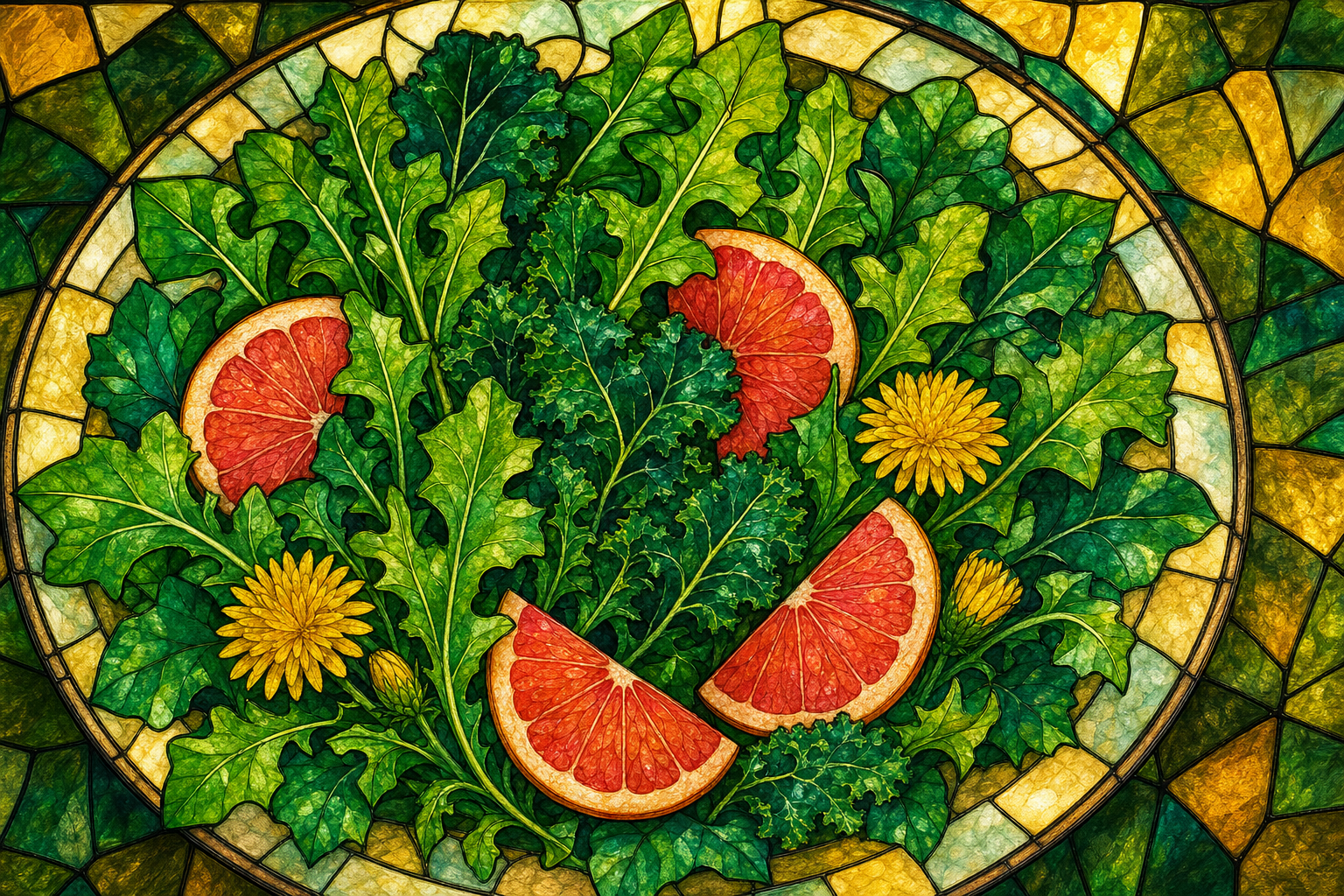
Bitter foods trigger what's called the "bitter reflex," a cascade that begins the moment bitter compounds hit your taste receptors. Your body responds by increasing saliva production, stimulating stomach acid, releasing bile from the gallbladder, and activating digestive enzymes. All of this happens before you've even swallowed a full bite.
This is one of the most usable and underused tools for natural digestion support. The mechanism is real and well-documented. The problem is that modern diets have largely removed bitter flavors in favor of sweet and salty, which means most people's digestive systems are getting far less of this natural stimulus than they need.
Arugula is an easy starting point. It's from the Brassicaceae family, the same group as broccoli and cabbage, and it specifically helps the liver stimulate bile production. More bile means better fat digestion. Toss it into salads or use it as a base instead of milder greens.
Dandelion greens are more potent. They support liver function, help relieve constipation, and reduce gas. Dandelion root tea and dandelion tincture work through the same mechanism: stimulating bile flow to aid fat digestion. If you have gallstones, check with a doctor before using dandelion regularly, since increased bile flow can aggravate that condition. A mild stomach upset is possible when you first start, which is normal as your system adjusts.
Kale has sulphur and soluble fiber that make it a strong detoxifier. Grapefruit is the richest source of natural bitters among citrus fruits. Ginger doubles as both a bitter and a warming digestive aid. Even a half-lemon squeezed into warm water in the morning can kickstart your digestive secretions before your first meal.
If you want a more concentrated option, liquid digestive bitters (typically a blend of herbs like gentian, dandelion, and ginger in a small dropper bottle) are taken 10 to 20 minutes before meals. They're a traditional remedy in European herbal medicine and work on the same bitter-reflex principle. Start with a small amount and increase gradually.
The simplest daily habit: add arugula or dandelion greens to one meal a day. Squeeze lemon on your food. Eat a small piece of dark chocolate (80% cocoa or higher) after dinner. These are small changes with a real physiological effect.
If you're also managing other aspects of your health alongside digestion, it's worth knowing that herbal approaches to wellness often overlap. For example, Ayurvedic iron supplement approaches share some of the same bitter-herb principles used in digestive support, particularly around liver and blood health.
Step 5: Use Natural Digestive Aids Like Apple Cider Vinegar
Apple cider vinegar (ACV) works by adding acidity to your digestive environment. Low stomach acid is more common than most people think, and it causes symptoms that look a lot like excess acid: bloating after meals, slow digestion, and feeling full too quickly. ACV can help correct this.
The standard approach is one to two teaspoons diluted in a glass of water, taken about 15 to 20 minutes before a meal. Never drink it straight. The acidity can damage tooth enamel and irritate the esophagus over time. Diluting it protects you from those effects while still delivering the digestive benefit.
ACV is most useful for people who feel heavy and sluggish after meals, especially after protein-heavy ones. Protein digestion depends heavily on stomach acid. If your acid is low, protein sits in the stomach too long and ferments, which causes gas and bloating. A small amount of added acidity before a meal helps the stomach process protein more efficiently.
A few honest caveats. ACV is not a cure-all. If you have acid reflux or GERD, adding more acid is usually the wrong move, and you should talk to a doctor before trying this. The evidence base for ACV is smaller than for probiotics or fiber, so treat it as a supportive tool rather than a primary intervention.
Other natural digestive aids worth keeping in your routine include digestive enzyme supplements, particularly if you notice specific intolerances. Enzymes like amylase, protease, and lipase help break down carbohydrates, proteins, and fats respectively. They're available as standalone supplements and are often included in broader digestive support blends.
Fiber also belongs in this step. MedlinePlus, the National Library of Medicine's consumer health resource, notes that dietary fiber helps food move through the digestive system and supports regular bowel movements. Most adults fall short of the recommended daily intake. Whole foods like apples, oats, and legumes are the best sources. If you're supplementing, psyllium husk is one of the most studied options.
At AP Health Wellness Hub, our green and red superfood powders are built to fill in the gaps that a typical day leaves behind. They're designed for real life, which means they're easy to mix into water or a smoothie without a complicated routine. If you want to explore what fits your goals, you can find everything in one place at the AP Health Wellness Hub store.
"Consistency over time matters more than perfection on any single day. Pick one or two of these steps and build from there."
Frequently Asked Questions
How long does it take to improve digestion naturally?
Most people notice some improvement within one to two weeks of consistent changes, especially with hydration, herbal teas, and fermented foods. Deeper shifts in gut microbiome diversity typically take four to eight weeks. The key word is consistent. Sporadic changes don't give your gut bacteria enough time to adapt and stabilize.
What is the fastest natural remedy for bloating?
Peppermint tea or enteric-coated peppermint oil capsules work quickly for bloating because they relax the smooth muscles of the digestive tract and help trapped gas move through. Fennel seeds chewed after a meal are another fast option. For bloating tied to stress, slow diaphragmatic breathing before and during a meal can reduce symptoms within minutes.
Is apple cider vinegar safe to take every day?
Yes, in small diluted amounts. One to two teaspoons in a full glass of water before meals is considered safe for most healthy adults. Always dilute it. Avoid it if you have GERD, active acid reflux, or esophageal issues. Long-term undiluted use can erode tooth enamel and irritate the esophagus, so the dilution step is not optional.
Do probiotics actually help with digestion?
Yes, particularly kefir, which has the strongest trial evidence among fermented foods. A large-scale trial involving over 2,000 participants found consistent symptom reduction with regular kefir consumption. Other probiotic foods like sauerkraut and kombucha are widely recommended but still carry a "more research needed" label from most clinical reviewers. That doesn't mean they don't help, just that the evidence is thinner.
Can stress really cause digestive problems?
Yes. Chronic stress shifts your body toward the sympathetic nervous system, which suppresses the parasympathetic "rest and digest" state that digestion depends on. This disrupts gut motility, reduces stomach acid secretion, and affects gut-brain signaling. Functional GI disorders like IBS are directly linked to stress levels. Mindfulness-based stress reduction has documented clinical benefit for these conditions.
What bitter foods are best for digestion?
Arugula, dandelion greens, kale, grapefruit, and ginger are among the most effective. They trigger the bitter reflex, which stimulates bile production, stomach acid, and digestive enzymes before you've even finished your first bite. Adding arugula to one meal daily and squeezing lemon over food are two of the simplest ways to get this benefit without changing your whole diet.
Conclusion
These five steps work because they address digestion from multiple angles at once: the bacterial environment, the mechanical process of eating, the nervous system state, the chemical triggers from bitter foods, and the acid balance in your stomach. You don't need to do all five perfectly from day one. Start with the one that fits your current routine, whether that's adding kefir to breakfast or swapping your afternoon coffee for chamomile tea. If you want a simple, affordable way to support your gut with quality supplements and superfood blends, AP Health Wellness Hub has what you need in one place.