

Zinc Immune Boost: Benefits, Dosage & Safety
A zinc immune boost can help when your intake is low, but more zinc isn't always better. The form, elemental dose, diet, medicines, and length of use all matter. We'll break down how zinc supports normal immune work, who may need more, how to read a label, and how to build a safe daily routine.
How Zinc Supports Normal Immune Function
Zinc supports the immune system at several levels. It helps maintain the skin barrier, which is one of the body's first defenses. It also supports immune cells that respond after a germ gets past that barrier.
Macrophages help engulf unwanted microbes. Neutrophils respond early during an infection. Natural killer cells help identify and remove infected cells. Zinc supports the normal work of these cells, as well as parts of the complement system that help direct immune responses.
Zinc also helps the adaptive immune system. This side of immunity learns from past exposure and builds a more targeted response. Zinc supports T-cell activation and B-cell function. It also helps with antibody production.
These jobs explain why low zinc status can affect more than cold symptoms. Deficiency may be linked with slower wound healing, skin changes, appetite loss, and a weaker immune response. A zinc supplement is most likely to help when it corrects an actual shortfall.
The body doesn't keep a large, ready-to-use zinc store. You need a regular supply through food or supplements. The body adjusts absorption based on its needs, so taking a high dose does not guarantee a stronger immune response.
A research review describes zinc as a key nutrient for immune cell activity and normal immune regulation. That wording matters. Zinc supports normal function. It isn't a shield that blocks every infection.
Cold research adds another layer. Some studies suggest that oral zinc taken soon after cold symptoms begin may shorten a cold. The result depends on the dose, product, timing, and study design. Regular zinc use may help prevent problems caused by deficiency, but it shouldn't be sold as a guaranteed cold blocker.
Think about it this way: if your diet supplies enough zinc, adding much more may do little. If your intake is low, a modest supplement may help bring your supply back into a useful range. That is the sensible meaning of a zinc immune boost.
Who May Benefit From More Zinc, and Who May Not
A zinc immune boost may make sense for people who have low intake, poor absorption, or higher needs. It may add little for someone who already meets their needs through food.
People at higher risk of low zinc include those with malabsorption problems, some chronic illnesses, and diets that provide little zinc. Older adults may also need a closer look at food intake and absorption. Children and pregnant people have specific needs that should be handled with age and life stage in mind.
Vegetarians and vegans can get zinc from legumes, nuts, seeds, oatmeal, and fortified foods. Plant foods also contain phytate. Phytate can bind zinc and reduce how much the body absorbs. That doesn't mean a plant-based diet is deficient by default. It means food choice and preparation deserve attention.
Fermented soy foods may be easier sources to use because fermentation can improve zinc absorption. A varied diet can also spread intake across the day. If you often rely on grains or legumes, soaking, sprouting, or fermenting some foods may help reduce the effect of phytate.
Pregnancy and breastfeeding call for extra care. Zinc has a role in growth and development, but a high-dose supplement isn't a safe shortcut. A prenatal product may already contain zinc. Adding another supplement without checking the label can push your total higher than planned.
You may not need extra zinc if you eat a varied diet and have no risk factor for deficiency. A supplement also may not solve symptoms caused by poor sleep, low calorie intake, iron deficiency, thyroid disease, or an infection that needs medical care.
Don't use symptoms alone to diagnose low zinc. Signs such as hair loss, taste changes, mouth cracks, or slow healing can have many causes. If symptoms persist, ask a healthcare professional whether testing or a broader review makes sense.
AP Health Wellness Hub, Shop the Immune Support Complex, can be a simple option if you want a daily formula that includes zinc with vitamin C, vitamin D3, elderberry, and echinacea. Check the full label before adding it to other products, especially a multivitamin.
People who take prescription medicine should also ask a pharmacist before starting zinc. The right choice depends on your diet, health history, and current products. A higher dose isn't automatically the better choice.
Zinc Forms, Food Sources, and Absorption
The zinc form matters because labels may list gluconate, picolinate, oxide, sulfate, or another zinc compound. These names describe the compound attached to zinc. They do not replace the elemental zinc amount, which is the number you need when comparing doses.
In a review of products marketed for immune support, picolinate appeared often among products that disclosed their form. That pattern shows a market preference, not proof that picolinate works best for everyone. Evidence does not support one universal winner for every person.
Gluconate has also been studied and appears in common supplement products. Oxide may be less appealing for people with low stomach acid. Older adults may need to discuss form and absorption with a clinician rather than pick by marketing language alone.
Food remains the first place to look. Beef, chicken, seafood, and fortified cereals can supply zinc. Plant sources include beans, lentils, nuts, seeds, and oats. Oysters are especially zinc-rich, though the amount depends on the food and serving.
Plant-based eaters don't need to avoid these foods. They should understand the absorption trade-off. A meal with legumes and seeds may contain zinc, yet phytate can limit the amount that enters the body. Food preparation can help, and a modest supplement may be useful for some people.
| Choice | What it can do | What to check | Best next move |
|---|---|---|---|
| Zinc-rich animal foods | Provide zinc in a familiar meal | Diet fit and portion pattern | Use food first when it fits your diet |
| Beans, nuts, seeds, and oats | Add plant-based zinc | Phytate may lower absorption | Vary foods and consider preparation methods |
| Zinc gluconate | Provides a common supplemental form | Elemental zinc per serving | Compare the label, not just the form name |
| Zinc picolinate | Often marketed around absorption | Evidence and actual elemental dose | Don't assume the form alone proves better results |
| Zinc oxide | Provides supplemental zinc | Absorption may be a concern for some people | Ask a clinician if stomach acid is low |
One label problem deserves attention. The disclosed amounts ranged from 20 mg to 50 mg. That makes comparison hard. A product cannot be judged well if you don't know how much elemental zinc it supplies.
Look for a clear line such as “Zinc, as zinc gluconate, 10 mg.” The compound name tells you the form. The milligram figure tells you the elemental amount. If a label hides that figure, choose a product with clearer information.
We use that same simple check at AP Health Wellness Hub. Our focus is on easy wellness products for real life, but you should still read each Supplement Facts panel and count zinc from every product you take.
How Much Zinc Do You Need for Immune Support?
For most adults, daily zinc needs are measured in single-digit milligrams, not megadoses. Adult women who aren't pregnant need 8 mg per day, while adult men need 11 mg per day. Needs change during pregnancy, breastfeeding, childhood, and adolescence.
The upper limit for adults is 40 mg of zinc per day from food and supplements combined. That limit is not a target. It is a ceiling meant to reduce the risk of harm from too much intake.
The number on a supplement label may be much higher than your daily requirement. Some products provide 20 mg, 22 mg, or 50 mg. A 50 mg product can exceed the adult upper limit before you count food or other supplements. That doesn't make every single use dangerous, but it does make routine self-use a poor plan.
Start with your total intake. Check a multivitamin, immune blend, cold product, and beauty supplement before adding a separate zinc tablet. Overlap is easy to miss when several products use different serving names.
Cold use is a separate question from daily nutrition. Some research suggests oral zinc may shorten a cold when taken soon after symptoms start. That finding does not establish a universal dose for everyone. It also doesn't mean you should take high-dose zinc all season.
A systematic review of oral micronutrient trials in healthy adults found that zinc may reduce cold duration, while benefits for preventing colds were less clear. The result supports a measured approach. Zinc may help in a specific situation, but it isn't a replacement for sleep, fluids, food, or medical care when needed.
High doses can cause side effects, and long-term use may lead to copper deficiency. Adults should stay within the 40 mg daily upper limit unless a healthcare professional gives different instructions.
If you're pregnant, breastfeeding, treating a chronic illness, or giving zinc to a child, ask a healthcare professional for an individual plan. A product marketed for adults may not fit a child's needs. The same applies if you have a condition that affects absorption.
Zinc Safety: Side Effects, Interactions, and Common Mistakes
Zinc is generally well tolerated at appropriate amounts, but high intake can cause trouble. Common short-term problems include nausea, stomach upset, vomiting, diarrhea, headache, and a metallic taste.
Taking zinc with food may reduce stomach upset. If a product makes you feel sick each time, don't keep forcing it. Check the dose, review other supplements, and ask a pharmacist whether the product is suitable.
The larger concern is long-term high intake. Too much zinc can interfere with copper status. Copper supports blood health and the nervous system. Low copper may cause anemia or nerve symptoms such as weakness and numbness.
That risk is one reason a 50 mg product deserves caution. It may be intended for a specific use, but a high daily dose should not become a default immune habit. More is not a safer way to seek a zinc immune boost.
Zinc can also affect how some medicines work. Some antibiotics may interact with zinc. Certain prescription medicines can also interact. A pharmacist can tell you whether spacing doses is enough or whether another plan is better.
Do not use intranasal zinc. Nasal zinc has been linked with loss of smell. Oral supplements and nasal products are not interchangeable, even though both use the word zinc.
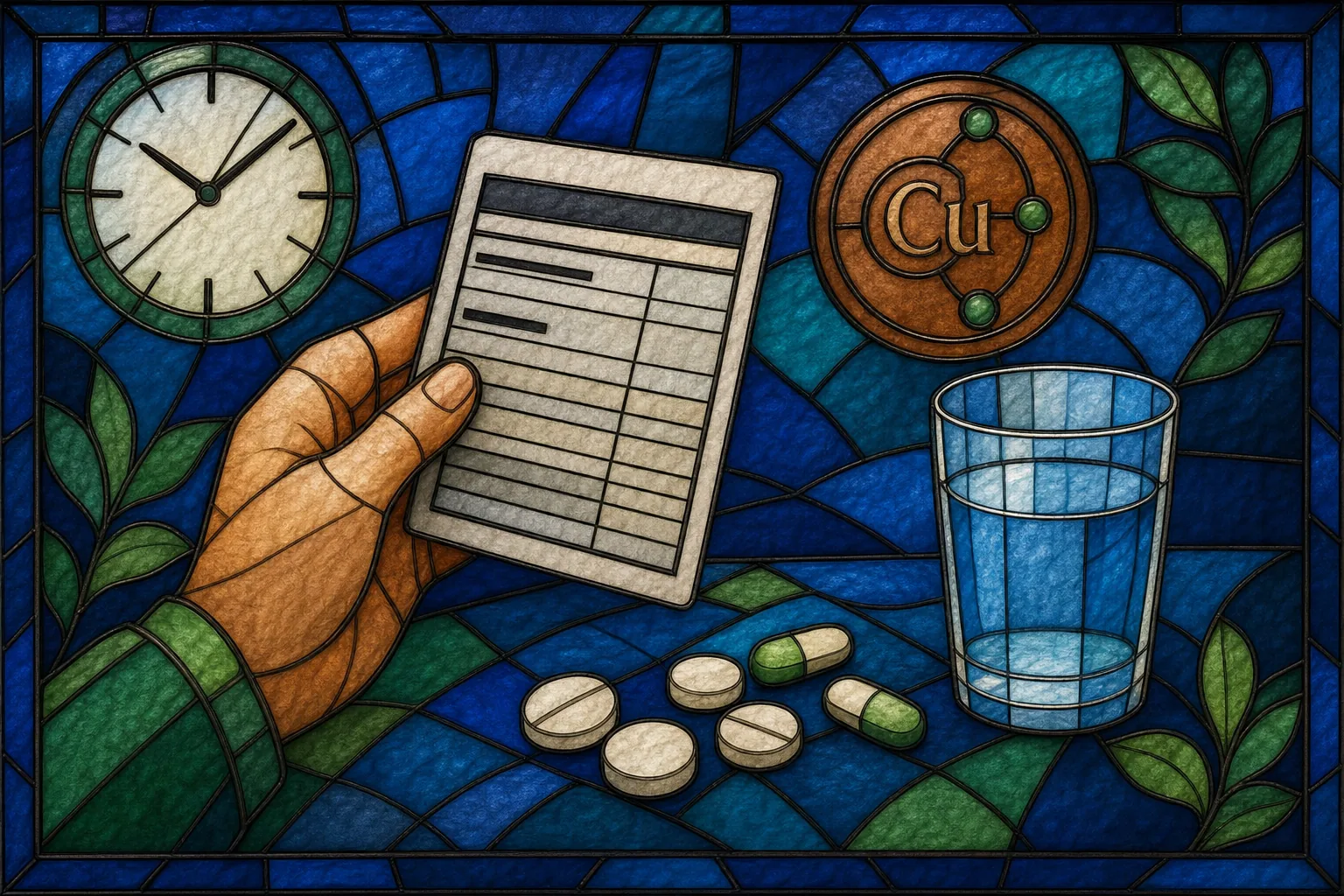
Common mistakes include stacking several zinc products, ignoring the elemental amount, and treating a symptom as proof of deficiency. Another mistake is changing a prescribed treatment without medical advice because a supplement label makes a broad immune claim.
Keep a short list of everything you take. Include supplements, fortified drinks, lozenges, and cold products. Bring that list to a medical. It makes overlap much easier to spot.
AP Health Wellness Hub can help you keep a routine simple, but no store can replace a personal medication review. If you have kidney disease, digestive disease, a copper problem, or ongoing symptoms, speak with a qualified professional before starting zinc.
Stop and seek care for severe vomiting, unusual weakness, numbness, trouble breathing, or another serious reaction. For mild nausea, pause the product and review the dose rather than adding another supplement to counter it.
Building a Sensible Zinc Immune-Support Routine
A good zinc routine starts with a clear reason. You may want to fill a diet gap, support a plant-based eating pattern, or use a short-term product during cold symptoms. Each goal calls for a different question.
Start with food
Review a normal week, not one perfect day. Do you eat zinc-rich foods with some regularity? Do you rely heavily on foods high in phytate? Are you skipping meals or following a restrictive plan?
Make one easy change first. Add beans to a meal, use seeds in oats, choose fortified cereal, or include seafood if it fits your diet. A small food change can be more sustainable than a high-dose supplement.
Read the label in the right order
First find the serving size. Then find the elemental zinc amount. After that, check the zinc form and scan for other ingredients. This order keeps marketing claims from taking over the decision.
Be careful with blends. A product may include zinc beside vitamin C, vitamin D3, elderberry, echinacea, or other ingredients. Those additions may fit your goal, but they also increase the need to check for overlap.
AP Health Wellness Hub, explore our immune support supplement guide, if you want a broader label checklist before choosing a formula. We favor simple routines that fit busy days, not a shelf full of overlapping products.
Set a review date
Don't start a supplement with no plan to reassess it. Put a reminder on your calendar to review the dose, symptoms, and other products after a reasonable period. If you still feel unwell, look for the cause instead of raising the dose.
Take the product as its label directs unless your healthcare professional says otherwise. Taking it with a meal may be easier on your stomach. Keep supplements away from children, and store them in a dry place.
If you take medicine, ask about timing. Some interactions can be managed by spacing zinc away from a medicine, while others need a different approach. Don't guess based on a social media post.
Finally, keep expectations plain. Zinc supports normal immune function. It won't make up for poor sleep, very low food intake, smoking, or untreated illness. Use it as one small part of an everyday health plan.
FAQ
Does zinc really give you an immune boost?
Zinc supports normal immune function, especially when your intake is low. It helps immune cells work and supports the skin barrier. A supplement won't guarantee that you avoid illness. If your diet already supplies enough zinc, taking more may not add a clear benefit.
How much zinc should I take for immune support?
Most adults need 8 mg or 11 mg daily from all sources, depending on sex. The adult upper limit is 40 mg per day. That limit isn't a target. Check your food and supplement totals before adding a separate zinc product.
Which form of zinc is best for immunity?
No single zinc form is proven best for every person. Labels may list gluconate, picolinate, oxide, or sulfate. Focus first on the elemental zinc amount and your tolerance. If you have absorption concerns, ask a healthcare professional about the right form.
Can zinc prevent a cold?
Zinc may help shorten a cold when oral zinc is used soon after symptoms begin, but evidence for preventing colds is less clear. Results vary by product and dose. Don't use intranasal zinc, which has been linked with loss of smell.
What are the risks of taking zinc every day?
Daily zinc can cause nausea or stomach upset, especially at higher amounts. Long-term high intake may reduce copper status and cause nerve or blood problems. Count zinc from every product, and ask a pharmacist or clinician before long-term use.
Conclusion
Zinc can support immune function when it fills a real gap, but a clear label and moderate intake matter more than a bold promise. Start with food, check your total elemental zinc, and ask a professional if you take medicine or have a health condition. For an easy daily option, review AP Health Wellness Hub's Immune Support Complex and compare it with the rest of your routine before adding anything else.