

How to Use Turmeric for Anti‑Inflammatory Benefits
Turmeric can calm inflammation, ease joint aches, and support everyday comfort. Below is a step‑by‑step plan that lets you tap those benefits without guesswork.
Step 1: Understand Which Part of Turmeric Supports Inflammation Management
Turmeric’s bright orange comes from curcumin, a polyphenol that makes up about 3‑10% of the powdered root. Curcumin blocks the NF‑κB pathway, which drives many inflammatory signals. Wikipedia explains the spice’s chemistry and notes its long use in Ayurvedic medicine.
Research shows curcumin can lower pain scores in knee osteoarthritis and improve function, matching NSAIDs in several trials. The review details these findings.

Bottom line: curcumin is the active anti‑inflammatory engine, while the whole spice also adds antioxidants and flavor.
Step 2: Choose a Usable Way to Use Turmeric
Pick a format that fits your daily rhythm. Capsules let you control dose; a 500‑1000 mg curcumin capsule is a common range for joint support. Powdered spice works well in smoothies or cooked dishes, but you’ll need a larger amount to hit the same curcumin level.
If you like a blended approach, our Ayurvedic Complex combines turmeric with ashwagandha and brahmi, offering a balanced herb stack for stress and inflammation.
Capsules are convenient for busy mornings. Powders shine in a post‑workout shake, just add a pinch of black pepper to boost absorption.
Step 3: Improve Curcumin Absorption Without Overcomplicating Your Routine
Curcumin’s biggest hurdle is bioavailability. It’s poorly absorbed on its own, rapidly metabolized, and quickly eliminated.
Adding piperine, found in black pepper, can boost plasma levels by up to 2000 % in humans. A modest 5 mg of piperine alongside your turmeric dose does the trick.
Another easy win is to take turmeric with a source of dietary fat. A spoonful of coconut oil in your morning coffee or a handful of nuts in a snack does the job.
For those who want a ready‑made solution, our Ultra Cleanse Smoothie Greens includes a curated amount of curcumin plus piperine and a blend of healthy fats, so you get the boost without extra steps.
Research on standardized extracts (~1000 mg curcumin) shows a mean pain reduction of 2.04 points on a 0‑10 visual analogue scale and a 15‑point drop in WOMAC scores for osteoarthritis patients. The meta‑analysis provides the numbers.
Step 4: Match Potential Benefits to Your Goal and Use Turmeric Safely
Identify what you hope to improve: joint comfort, heart health, brain function, or gut balance. The evidence varies:
- Joint pain: multiple RCTs report reduced knee pain and better function.
When you decide on a target, choose the dose that research supports. For general joint support, 500 mg twice daily with food works for most adults. If you have ulcerative colitis, studies used 2 g per day alongside medication.
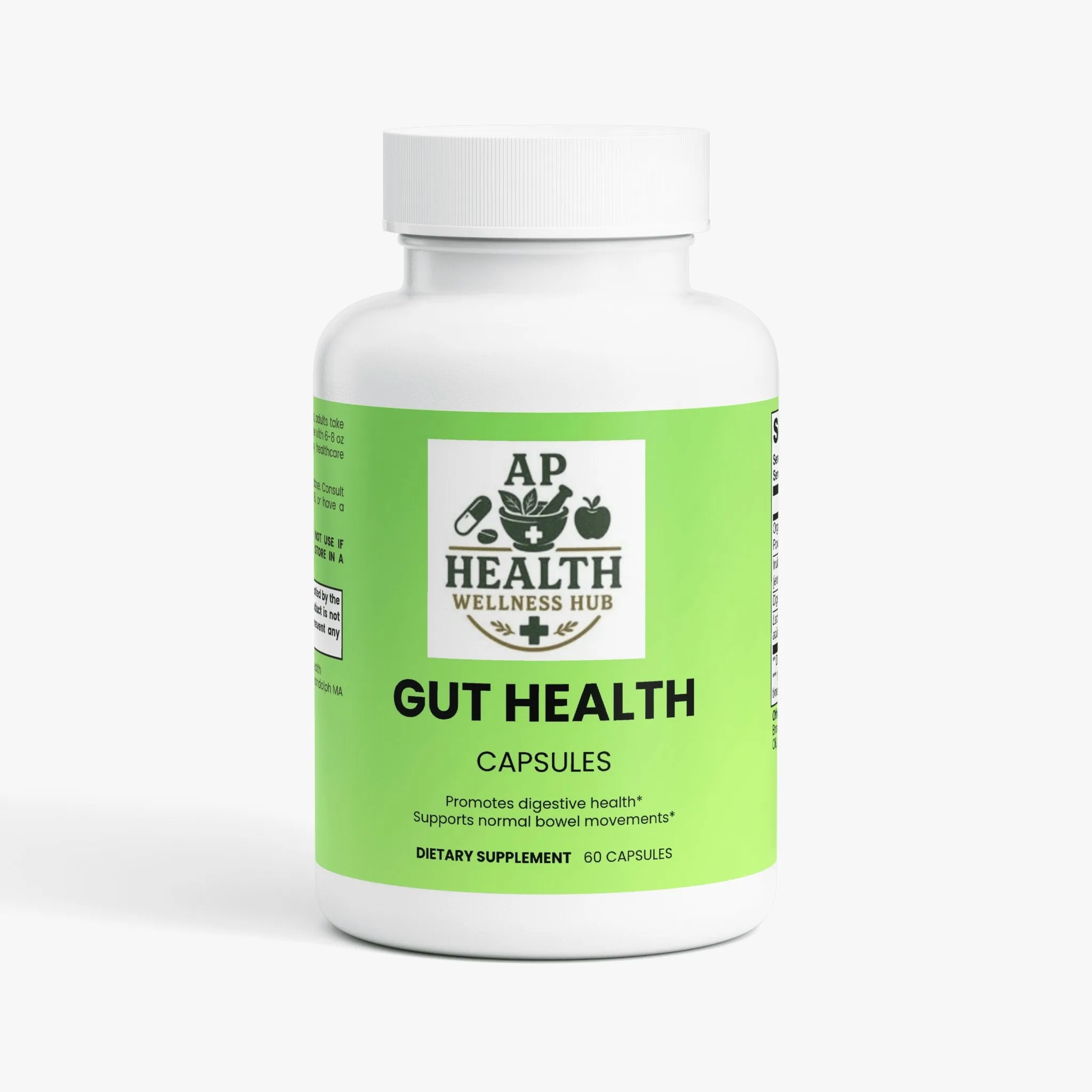
Safety first: turmeric is well tolerated, but high‑bioavailability forms with large piperine doses have been linked to rare liver injury cases. Watch for persistent nausea, dark urine, or jaundice and stop use if they appear. More information about turmeric safety is available here.
Our Greens Superfood Powder pairs turmeric extract with a blend of greens and omega‑rich oils, giving you the anti‑inflammatory boost plus a safety buffer of balanced nutrients.
For a broader view on inflammation in the mouth, see this general resource, which discusses how chronic gum inflammation can echo systemic issues.
FAQ: Turmeric Anti‑Inflammatory Benefits
What dose of turmeric actually reduces inflammation?
Most trials that showed pain relief used about 1000 mg of standardized curcumin per day, often split into two doses with food.
Can I get the same effect from food alone?
Cooking with turmeric provides some curcumin, but the amount is usually far below therapeutic levels unless you use large quantities, which can affect flavor.
Is black pepper really needed?
Yes. Piperine improves curcumin absorption dramatically, so a pinch of pepper or a piperine‑enhanced supplement makes a big difference.
Are there any groups who should avoid turmeric?
People with gallstones, bile duct obstruction, or on blood‑thinning medication should talk to a doctor before high‑dose turmeric.
How long does it take to notice benefits?
Most users report reduced joint soreness within 2 to 4 weeks of consistent dosing, though full effects on chronic conditions may need 3 to 6 months.
Ready to add anti‑inflammatory power to your daily routine? Start with a trusted, standardized turmeric supplement from AP Health Wellness Hub and follow the steps above.