

Hair Vitamins for Thinning Hair: A Practical Routine
Hair vitamins can help when a nutrient gap is part of the cause, but they won’t fix every kind of thinning. If you’re weighing hair vitamins for thinning hair, first look at the pattern, then check what your body may actually need.
We analyzed 69 comments and questions from YouTube and Quora about hair vitamins for thinning hair and found that 30% mentioned hair growth and thickness.
At AP Health Wellness Hub, we favor a simple routine over a crowded supplement shelf. These steps can help you make a safer choice and know when vitamins aren’t the right answer.
Step 1: Notice the Pattern and Consider Possible Causes
Start by noting what changed, where it changed, and when it began. More hair in the brush may mean extra shedding. A part that slowly widens or a smaller ponytail may point to gradual thinning instead. Breakage is different again: short snapped hairs can result from heat, bleach, tight styles, or rough handling.
These patterns can overlap, so don’t try to diagnose yourself from one shower or one photo. Look back over the past few months. A recent illness, major stress, childbirth, surgery, medication change, or fast weight loss may matter. So can family history, hormone changes, a very limited diet, or scalp discomfort.
Hair shedding is part of the hair cycle, and some daily shedding is normal. A larger amount can still be hard to judge by sight, so focus on a clear change from your own normal pattern.
Pay attention to where the change shows up. Diffuse shedding affects much of the scalp. Pattern thinning may gradually show at the crown, hairline, or part. A sudden bare patch, scalp pain, redness, scaling, or fast loss deserves medical advice instead of a vitamin trial.
Supplements are most likely to help when they address a confirmed shortfall. They are less likely to change thinning driven by genetics, hormones, inflammation, or a medical condition. Some nutrients can even worsen hair loss when taken in excess.
Write down the start date and the main change you see. That gives you a useful baseline before you change your diet or add a supplement.
Step 2: Review Your Diet and Check for Nutrient Gaps
Before choosing a bottle, review what you eat over a usual week. Note whether you often skip meals, follow a restrictive diet, avoid whole food groups, or have trouble absorbing nutrients. These details can help a clinician decide whether testing makes sense.
A balanced diet supports the body’s basic needs for hair growth, but no one food can treat every cause of shedding. Protein provides building blocks for hair. Iron helps carry oxygen in the blood, while zinc supports many body processes involved in tissue growth. Vitamin C helps the body absorb iron from plant foods.
Other nutrients have roles in general health, though taking more does not guarantee thicker hair. Vitamin A supports normal cell growth, but too much can contribute to hair loss. Vitamin E acts as an antioxidant. Magnesium supports many cell functions, while omega-3 fats are part of a balanced diet.
Biotin is often promoted for hair, yet a supplement is most relevant when someone has a deficiency. Biotin deficiency is uncommon. High-dose biotin can also interfere with some blood test results, so tell your clinician and testing staff if you take it.
A medical and diet history can help flag nutrient risks, and supplementation without a known need may carry risks.
Food choices can be adapted to your eating style. Beans, lentils, seeds, and leafy greens provide plant sources of iron and zinc. Pairing plant iron with a vitamin C-rich food can help with absorption. If you eat little or no animal food, ask a clinician whether your diet puts you at risk for low iron or B12. Don’t assume that a vegan label means a supplement suits your needs.
Heavy periods can raise the chance of low iron for some people. If that applies to you, ask whether iron testing makes sense. An iron supplement shouldn’t replace lab testing or advice from your health professional.
For ongoing shedding, a clinician may consider blood work based on your history and symptoms. Iron stores, vitamin D, thyroid function, or other tests may be relevant in some cases. The right tests depend on the person, so avoid ordering or treating a long list without guidance.

Step 3: Choose a Hair Vitamin by Reading the Label
Choose a formula by its ingredient list and your reason for taking it, not by the loudest promise on the front. A clear label should name each ingredient and show its amount. It should also give directions and explain the intended use in plain language.
Read the full panel, not only the headline ingredient. Biotin may be prominent, but that doesn’t mean it is the nutrient you need. Check for iron, vitamin A, vitamin D, zinc, and other ingredients that may already be in a multivitamin or a second supplement. Adding overlapping products can push your total intake too high.
Look for quality checks that match your concerns. Some products carry independent testing or quality certification. A seal can help confirm that a product met a testing program’s standards, but it does not prove that the supplement will regrow hair or treat a medical cause.
Form matters for daily use. Capsules are common, while gummies may suit people who dislike swallowing pills. Liquids are another option. The form itself doesn’t show whether a formula is effective. Pick a form you can take as directed, then check its ingredients and safety details.
AP Health Wellness Hub carries Hair, Skin & Nails Gummies. They’re one option to review if you prefer a gummy format; check the product label and discuss the ingredients with your clinician if you have health concerns or take medication.
Be cautious with “proprietary blends” that group ingredients together without showing each amount. A longer ingredient list does not automatically mean a better formula. If the label relies on broad claims rather than specific ingredients and directions, set it aside and keep comparing.
Some formulas include saw palmetto or pumpkin seed extract and describe them as DHT blockers. DHT is a hormone linked to some forms of pattern hair loss. Research on these supplement ingredients is limited, so don’t treat them as proven replacements for medical care. Saw palmetto may interact with blood-thinning medicines, which is one more reason to review the label with a professional.
Vitamin A and iron deserve special care because excess intake can be harmful. Zinc also needs balance: long-term high doses can affect copper levels. If you’re pregnant, trying to become pregnant, nursing, or managing a health condition, ask your clinician to review the whole formula before use.
For a closer look at how to compare hair-focused formulas and their safety notes, our hair loss supplement review can help you assess the label details. Use it as a shopping aid, not as a diagnosis.
Step 4: Use Supplements Consistently and Avoid Excess
Once you and your clinician decide a supplement fits, follow the product’s directions. Don’t take extra servings to try to speed up results. More is not a shortcut, and some vitamins or minerals can cause harm at high amounts.
Make the routine easy to remember. If the directions allow it, connect the dose to a daily habit, such as breakfast. Keep the package in a safe place and follow its storage guidance. If you miss a dose, don’t double the next one unless a health professional tells you to.
Check every product you already take. A multivitamin, a hair formula, and a separate mineral pill may contain the same nutrients. Add up the amounts on their labels before combining them. If the total is hard to judge, bring the packages or clear label photos to an appointment.
Tell your clinician or pharmacist about prescription medicines, over-the-counter drugs, herbs, and supplements. Some ingredients can interact with medicines or matter during pregnancy and breastfeeding. Biotin is especially important to mention before blood work because it can affect certain test results.
AP Health Wellness Hub is an online wellness store based in Randolph, Massachusetts. We focus on simple wellness choices for everyday routines, but a product listing can’t tell you whether a supplement is right for your health history.
Here’s a useful rule: change one thing at a time. If you start a supplement while changing several parts of your routine, it becomes harder to tell what helped or caused a problem. Keep a note of the start date and any new symptoms.
Stop taking a product and seek advice if you develop a rash, burning, itching, stomach problems, or a clear increase in shedding. Get urgent care for signs of a severe allergic reaction. Don’t keep taking a supplement just because the label promises results.
If you’re unsure which product suits your routine, our daily hair supplement comparison explains factors to consider. Before buying, confirm the current label and directions for the specific item.
Step 5: Track Changes and Give Your Routine Time
Hair changes slowly, so don’t judge a supplement after a few days. Hair follicles move through growth and resting phases. Even if a nutrient gap is corrected, new growth takes time to emerge and become long enough to notice.
Some supplement makers suggest waiting at least three months before judging results. That is a general timeline, not a promise. The cause of thinning matters, and a supplement may not help if the cause is unrelated to nutrition.
Set a baseline before you start. Take photos in the same light and from the same angle. Note your part width, hairline, or the area you’re watching. You can also record whether shedding seems heavier than usual, but avoid counting every strand. Daily hair counts can vary and create more worry than useful information.
Check in at planned intervals rather than inspecting your scalp every day. For example, review your notes once a month. Look for a steady change in the same direction. Reduced shedding may happen before visible fullness, but neither is guaranteed.
Keep the rest of your routine as steady as you can. If you start a new supplement, switch shampoos, change your diet, and begin a new scalp treatment at once, you won’t know which change mattered. A simple record of what you added and when can make a follow-up appointment more useful.
Also note possible side effects. Write down when they began and whether they changed after taking the supplement. If a new symptom concerns you, stop and ask a health professional rather than waiting for the next progress check.
Hair breakage can make hair look thinner even when the number of follicles hasn’t changed. If you see many short, uneven pieces, review heat use, chemical treatments, brushing, and tight styles. A vitamin won’t repair a snapped hair shaft, though a gentler routine may reduce further breakage.
Give a chosen plan enough time to assess it, but don’t let the calendar keep you from seeking help. If shedding is severe or getting worse, or you notice scalp symptoms, contact a clinician before completing a trial.
Step 6: Reassess and Choose the Right Next Step
At your review point, ask whether the pattern changed and whether the supplement still makes sense. If you confirmed a nutrient gap, follow the treatment plan and any testing schedule your clinician set. Don’t keep taking a high-dose nutrient indefinitely without a reason to do so.
If nothing has changed, don’t respond by stacking another hair formula on top. Recheck the original question: is this shedding, gradual thinning, or breakage? The answer can point toward different next steps. Your clinician may review medicines, diet, hormones, scalp health, or lab results.
Some kinds of pattern hair loss need options beyond vitamins. A health professional can discuss which treatments fit the cause and your health history. Supplements may support nutrition, but they can’t diagnose a condition or promise to restore hair in an area where follicles are no longer active.
Seek medical guidance sooner if thinning is sudden, patchy, painful, or paired with a rash or heavy scaling. The same applies if shedding continues for months or leaves you distressed. Early assessment can help identify a cause that needs specific care.
Review your hair-care habits too. Tight styles can pull on roots over time. Frequent high heat or harsh chemical treatments can weaken the hair shaft. Choose gentle handling while you sort out the cause, but remember that reducing breakage won’t treat every form of hair loss.
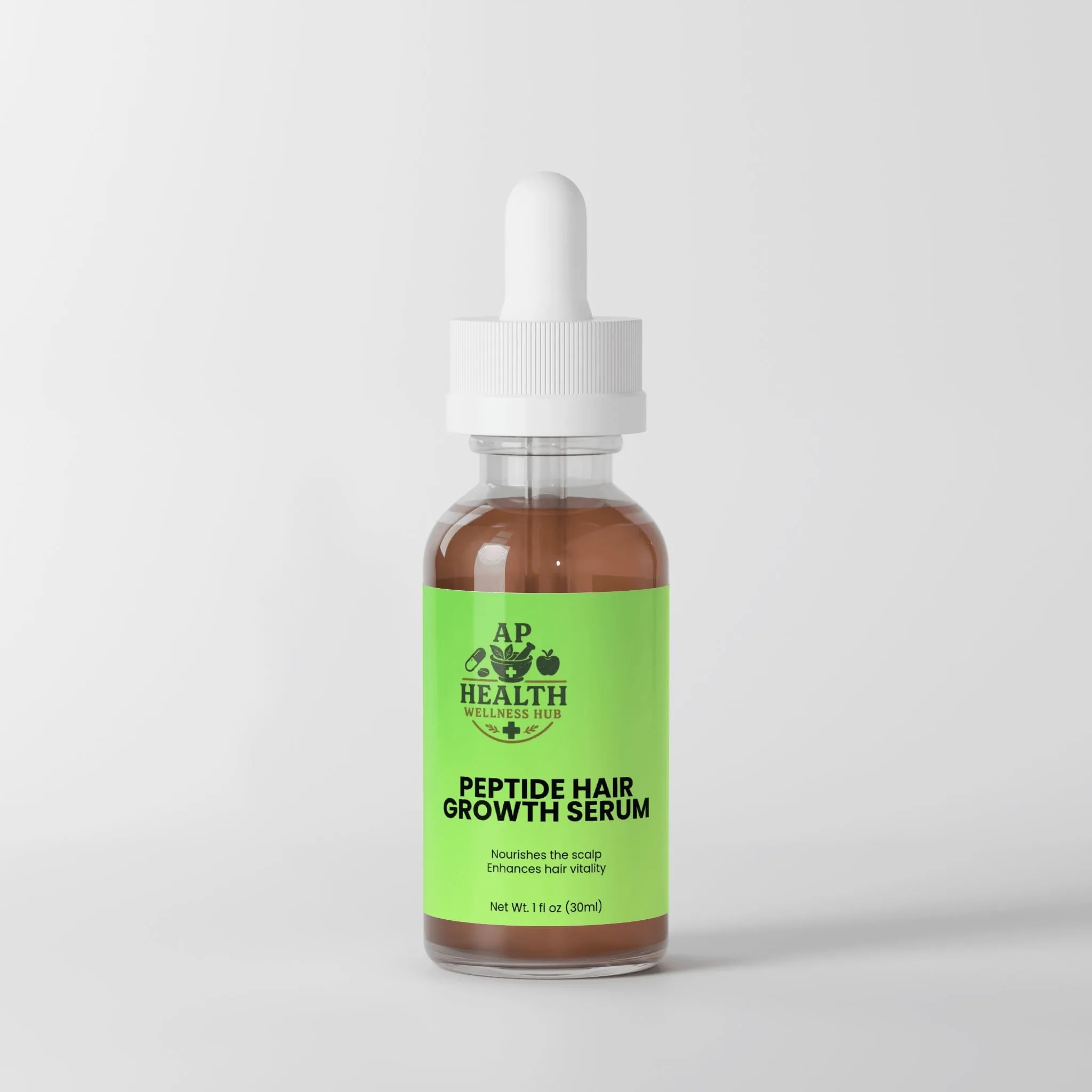
AP Health Wellness Hub also carries hair-care products, including scalp serums. We recommend choosing any topical product based on its label and your needs, not assuming that a serum and a vitamin work in the same way. A serum’s ingredients and directions are different from an oral supplement’s.
If you want to compare topical care with an oral routine, our hair growth serum guide for thinning hair covers another product type. Ask a clinician about persistent loss before relying on cosmetic care alone.
FAQ
Do hair vitamins work for thinning hair?
Hair vitamins may help when thinning is linked to a nutrient deficiency. If your nutrient levels are already adequate, extra vitamins may not improve growth and can sometimes cause harm. The best first step is to look at the pattern and discuss persistent or sudden changes with a clinician before starting a supplement.
Which vitamin is best for thinning hair?
There isn’t one best vitamin for everyone. Vitamin D, iron, zinc, and other nutrients may matter when a person has a confirmed shortfall, but the right choice depends on the cause. Biotin is popular, yet supplementation is most relevant when someone is deficient. Ask about testing rather than guessing.
How long do hair vitamins take to work?
It can take several months to judge a hair routine because hair grows in cycles. Some supplement makers suggest waiting at least three months, but that doesn’t promise a result. If shedding worsens or continues, seek advice instead of extending a trial or adding more products.
Can hair vitamins cause side effects or affect blood tests?
Yes. Side effects depend on the ingredients, and taking too much of certain nutrients can be harmful. Biotin can also affect some lab test results. Tell your clinician and testing staff about every supplement you take, especially before blood work or if you use prescription medicine.
Should I take hair vitamins after pregnancy?
Ask your health professional before taking a new supplement while pregnant, nursing, or recovering after childbirth. Shedding after pregnancy can have several causes, and a standard hair vitamin may not match your needs. A clinician can review your diet, health history, and whether testing or another form of care makes sense.
Conclusion
Choose hair vitamins only when the ingredients fit a likely or confirmed need, and use them with a clear safety plan. If your thinning is sudden, patchy, or ongoing, book a health review before trying another supplement. Then track changes with a simple monthly note.