

Glucosamine Joint Health: Benefits, Uses, and Safety
Glucosamine is a popular supplement for people who want their joints to move easier. Below we break down what it is, how it works, where it fits in a daily routine, and what to watch out for.
What Glucosamine Is and How It Relates to Joint Health
Glucosamine is a naturally occurring amino sugar that builds glycosaminoglycans, key components of cartilage. When you take it as a supplement, you’re adding extra building blocks that may help maintain the cartilage matrix.
Cartilage is the smooth tissue that cushions bones. In osteoarthritis, this tissue thins and joint pain rises. Glucosamine’s role is to support the repair cycle, though results vary across studies.
Glucosamine and chondroitin are major constituents of cartilage and are sold in the U.S. as dietary supplements for joint health. Read the overview
People often choose glucosamine sulfate because it’s the form most studied in clinical trials. It’s harvested from shellfish shells or made synthetically, and the supplement comes in tablets, capsules, or powders.
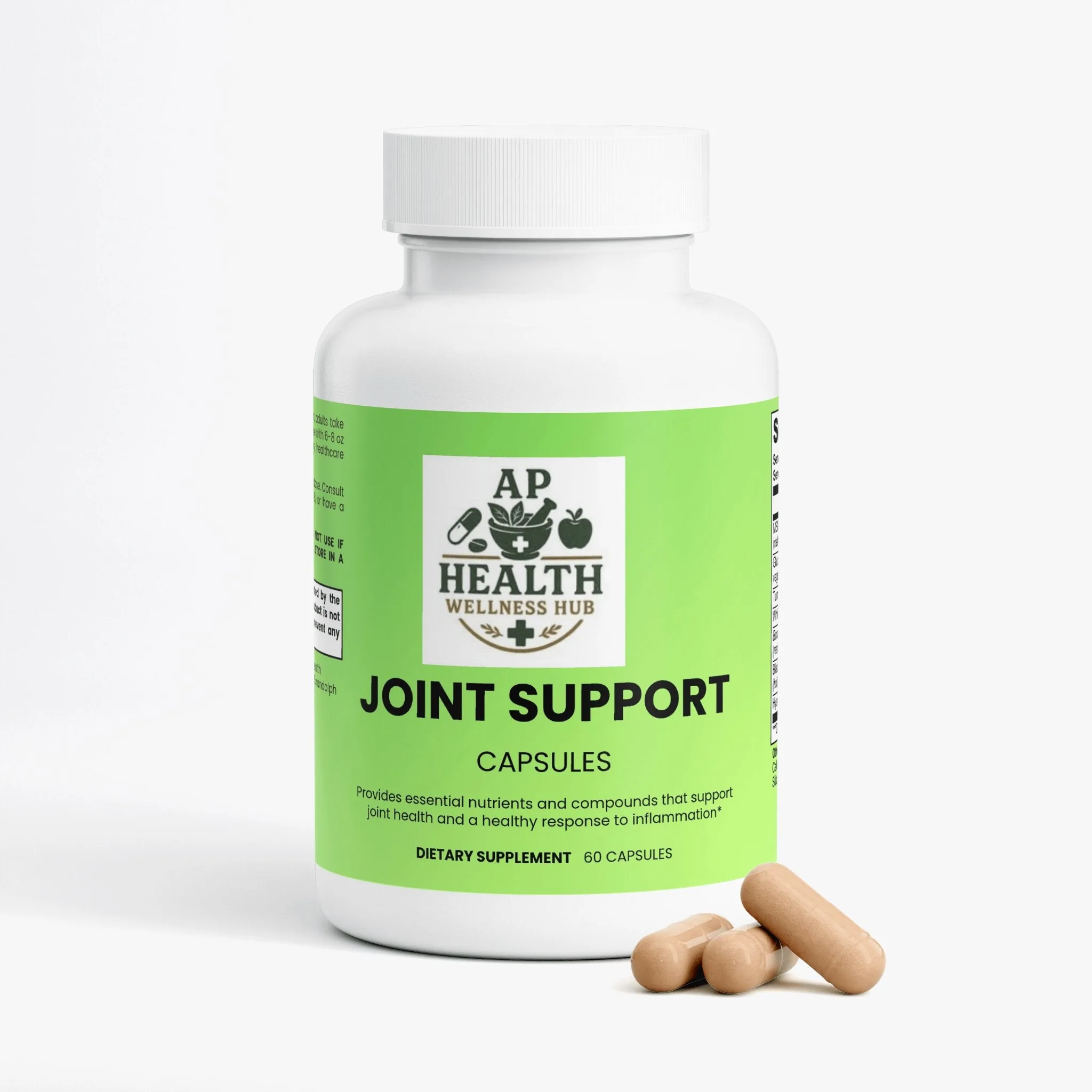
Our own store offers a curated selection of joint‑support blends. For a broader look at natural options, see Best Natural Supplements for Joint Health (2026). This gives you a quick way to compare ingredients and price points.
Glucosamine and Joint Comfort
Clinical evidence is mixed. A 2018 meta‑analysis of 29 studies found that glucosamine alone reduced global pain scores, but the effect was modest and not consistent across trials.
Another review of 25 studies focused on glucosamine sulfate showed that prescription‑grade formulations tended to produce better outcomes than over‑the‑counter brands, though many trials were small or had bias risk.
Recommendations differ. Some guidance has advised against glucosamine for knee osteoarthritis, while other guidance has listed it as a possible adjunct for mild‑to‑moderate cases.
Here’s a quick snapshot of the consensus:
- Some people report reduced stiffness after a few weeks.
- Benefits may differ by formulation.
- Results are not guaranteed; individual response varies.
For a deeper look at the science, check out this systematic review. It outlines the strengths and gaps of the current literature.
Glucosamine Forms, Typical Use, and What to Expect
Glucosamine sulfate is one commonly discussed form of glucosamine.
Glucosamine sulfate is the most studied. Typical dosing is 500 mg taken three times daily, totaling 1,500 mg per day. Some people split the dose with meals to improve absorption.
Other glucosamine formulations may be marketed for different uses, but evidence and tolerability can vary.
When you start, give it at least six weeks before judging effectiveness. Many users notice a subtle improvement in joint stiffness after 4 to 6 weeks.
Our own joint‑support line blends sulfate with MSM and vitamin C for added antioxidant support. Learn more about the collagen boost that complements glucosamine here.
Glucosamine Safety, Side Effects, and Medication Considerations
Glucosamine is generally well‑tolerated. The most common complaints are mild stomach upset or heartburn. Rarely, people with shellfish allergies react because many supplements are derived from crustacean shells.
Potential interactions are few, but concerns have been raised about interactions with blood thinners. Most experts now consider the interaction unlikely, yet you should still tell your doctor if you’re on blood thinners.
Avoid using glucosamine if you have uncontrolled asthma or a known shellfish allergy. Start with a 60‑day trial and monitor for any new symptoms.
How to Think About Glucosamine in a Usable Joint‑Health Routine
Think of glucosamine as one piece of a larger mobility plan. Pair it with regular low‑impact exercise, like walking, swimming, or yoga, to keep muscles supporting the joints.
Timing matters. Taking glucosamine with a meal that contains some protein may improve absorption, especially for the sulfate form.
Combine it with other joint‑friendly nutrients. Vitamin D helps calcium use, while collagen peptides supply additional amino acids for cartilage repair.
Our recommendation is to start with a glucosamine‑sulfate supplement, add a collagen peptide powder, and stay active three to four times a week.
For athletes who push their joints hard, we suggest checking out Best Joint Support Supplement for Athletes to see how a blended formula can fit into a training schedule.
Remember to stay hydrated; water keeps cartilage pliable. Aim for at least eight 8‑oz glasses a day, and adjust based on activity level.

Glucosamine Joint Health FAQs
Does glucosamine actually reduce joint pain?
It can for some people, especially those with mild knee osteoarthritis. The first clinical trials showed modest pain relief, but results vary widely.
What dosage of glucosamine is recommended?
Most experts suggest 500 mg three times a day (total 1,500 mg) for glucosamine sulfate. Split doses with meals for better absorption.
Can I take glucosamine with other supplements?
Yes, it’s safe to combine glucosamine with chondroitin, MSM, or collagen peptides. Just watch for duplicate ingredients and avoid excessive dosing.
Is glucosamine safe if I have a shellfish allergy?
Many glucosamine products are derived from shellfish, so look for a vegan‑derived version or a lab‑synthesized form if you’re allergic.
Should I talk to my doctor before starting glucosamine?
Absolutely. Especially if you’re on blood thinners, have asthma, or have any chronic health condition, a brief consult can prevent unwanted interactions.
How long does it take to see results?
Give the supplement at least six weeks. Some users notice reduced stiffness after a month, while others need up to three months.
Conclusion
If you’re looking for a simple, everyday way to support joint comfort, try a glucosamine‑sulfate supplement from AP Health Wellness Hub and pair it with regular movement and hydration. Start a 60‑day trial, track your pain levels, and adjust as needed.