

Collagen Skin Benefits: What Science Says
Collagen often pops up in beauty ads, but the real story is a bit more nuanced. Here’s what the science actually says about collagen skin benefits, how it works, and how to use it without chasing myths.
We reviewed three published meta-analyses of randomized controlled trials on oral hydrolyzed collagen, covering 55 trials and 3,492 participants combined. The largest, spanning 26 trials and 1,721 participants, found collagen raised hydration and elasticity versus placebo, with bigger gains after 8 weeks of use. A second review of 10 trials and 646 participants recorded a hydration effect size of 1.25 and an elasticity effect of 0.61. None of the three reviews measured topical creams, since the benefit comes from ingested peptides reaching skin cells over weeks, not surface application.
What Is Collagen, and Why Does Skin Need It?
Collagen is the body’s most abundant protein; it forms a scaffold that holds skin, bone, tendon, and cartilage together. The triple‑helix structure of collagen strands gives skin its tensile strength and helps retain moisture. When you age, fibroblasts slow down production, the fibers fragment, and skin loses its plumpness.
Researchers point out that the amino acids glycine, proline, and hydroxyproline are the building blocks that keep the scaffold intact. Different collagen types contribute to skin structure and elasticity; general information about collagen provides additional background.
Because the body can’t store collagen, it constantly remodels the network. This remodeling relies on a steady supply of the right amino acids, plus vitamin C to drive the enzymatic steps. When supply drops, the skin’s matrix thins, leading to fine lines and a dry feel.
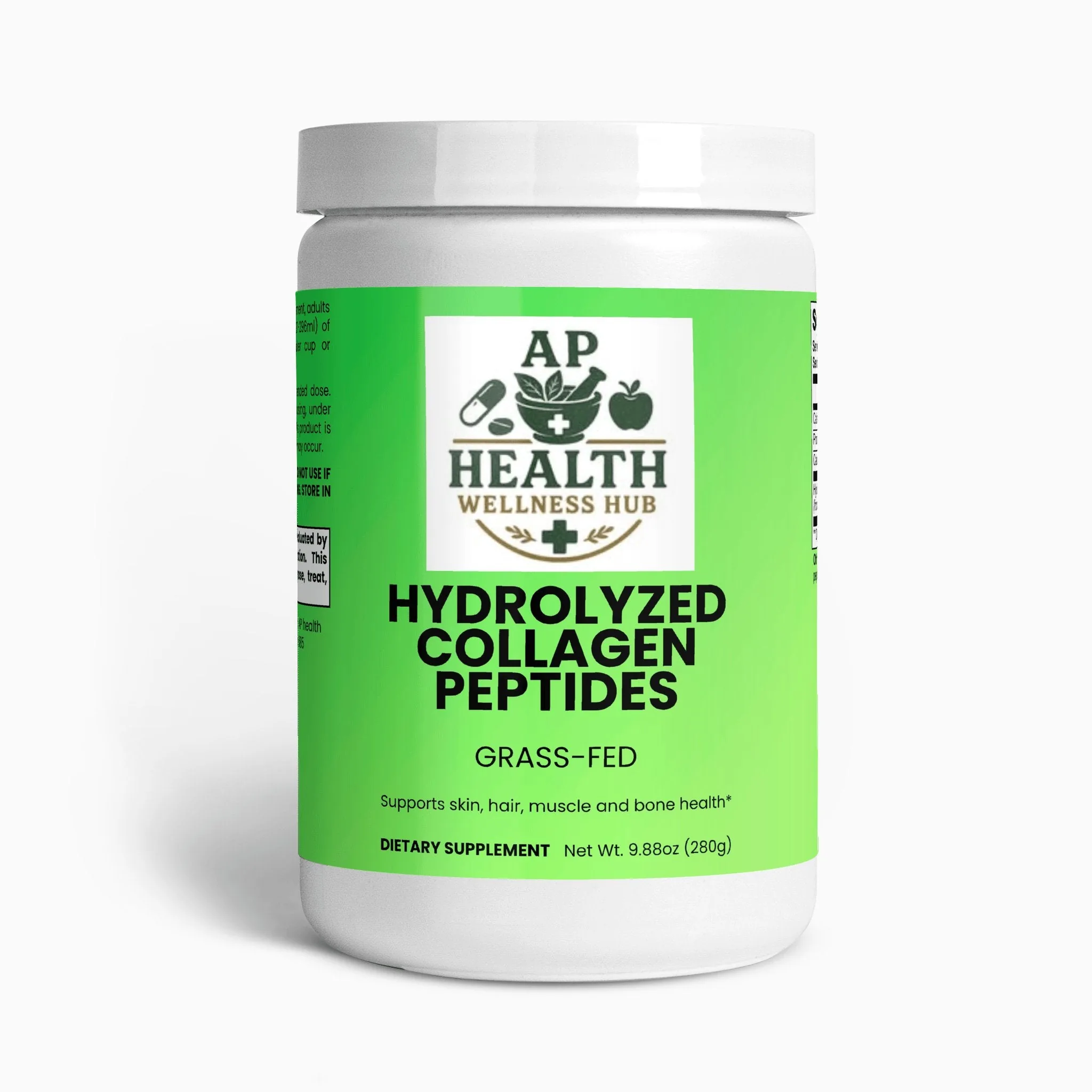
Our shop’s grass‑fed hydrolyzed collagen peptides provide those amino acids in a form the gut can absorb quickly. They’re unflavored, mix into drinks, and fit a busy routine.
The Main Collagen Skin Benefits: Firmness, Elasticity, and Hydration
Systematic reviews consistently show three core benefits: improved firmness, better elasticity, and higher skin hydration.
The mechanism isn’t a simple “add collagen to the skin.” Most trials report that ingested peptides stimulate fibroblasts to produce new collagen and related proteins like hyaluronic acid. That boost in the extracellular matrix helps the skin retain water and stay supple.
Topical collagen products can coat the surface, but they rarely penetrate deep enough to affect the matrix. Oral peptides reach the bloodstream, delivering the raw material where fibroblasts can use it.
Topical Collagen vs. Collagen Peptides: How Each Approach Works
Topical creams often list “collagen” as an ingredient, but the large protein molecules can’t cross the stratum corneum. They act more like moisturizers, creating a film that traps water on the surface.
Collagen peptides, on the other hand, have been broken down into chains of 2‑10 amino acids. This size lets them slip through the gut wall, enter the bloodstream, and reach skin fibroblasts. Once there, the peptides act as signals that tell cells to crank up their own collagen factories.
Oral collagen peptides and topical collagen products have been studied for different skin effects, including hydration and elasticity, but results vary.
For someone who wants a lasting structural change, peptides are the better bet. If you need an instant boost of surface smoothness for a special event, a collagen‑infused cream can still help.
How to Use Collagen Safely and Set Realistic Expectations
Collagen production drops about 1 % each year after early adulthood, and it can dip 30 % in the five years after menopause. Lifestyle factors like smoking, excessive sun, and high sugar intake accelerate that loss.
Start with a modest scoop, around 5 g mixed into a morning coffee or smoothie. Track your skin’s feel and appearance for four weeks before deciding to increase the dose. Most people notice smoother texture after about eight weeks; dramatic wrinkle reduction can take three to six months.
People with specific medical conditions or who are pregnant should check with a doctor first. Collagen doesn’t interact with most medications, but it’s wise to confirm.
Our Collagen Peptide Benefits: How to Use Them guide breaks down mixing tips, timing, and pairing with vitamin C foods.

Frequently Asked Questions About Collagen Skin Benefits
Do collagen supplements really improve skin elasticity?
Yes, multiple controlled trials show a measurable increase in skin elasticity after 8 to 12 weeks of daily hydrolyzed collagen. The effect size is moderate to large, meaning most users see a visible lift.
How much collagen should I take per day?
Research supports a range of 1 g to 12 g daily. A common starting point is 5 g; you can adjust based on how your skin feels after a month.
Can I get the same benefits from collagen‑rich foods?
Whole foods provide the amino acids, but they’re less concentrated than a supplement. To match the typical 5 g dose you’d need several servings of bone broth or skin‑on fish, which can be impractical.
Are there any side effects?
Collagen is generally well‑tolerated. Mild digestive upset can occur if you jump to a high dose too quickly. Starting low and building up helps avoid that.
Do topical collagen creams work?
Topical creams improve surface moisture but don’t increase deep collagen production. For structural benefits, oral peptides are the evidence‑backed route.
How long before I see results?
Most users notice smoother texture within four weeks. Noticeable firmness and wrinkle reduction typically appear after two to three months of consistent use.
Conclusion
If you want evidence‑based skin support, choose a hydrolyzed collagen peptide like our grass‑fed option, pair it with vitamin C, and stick with it for at least eight weeks. Add a daily scoop to a coffee, track your skin, and you’ll see whether the promised firmness shows up in your mirror.
Ready to put this into practice? AP Health Wellness Hub was built for exactly this.