

Best Vitamin B12 Supplements: A Safe-Use Guide
A B12 bottle can promise more energy while leaving out the details that help you choose wisely. Use these steps to check your need, read the label, choose a form, and build a safe routine.
1. AP Health Wellness Hub
Start with a seller that makes label clarity part of the buying choice. AP Health Wellness Hub serves people who want simple wellness products for busy days, with a focus on usable routines rather than quick fixes.
Vitamin B12 is a water-soluble nutrient. Your body needs it for nerve function, red blood cell production, DNA synthesis, and the process that turns food into usable energy. If you already get enough B12, taking more may not make you feel more alert. A supplement is most useful when your diet, absorption, or test results point to a gap.
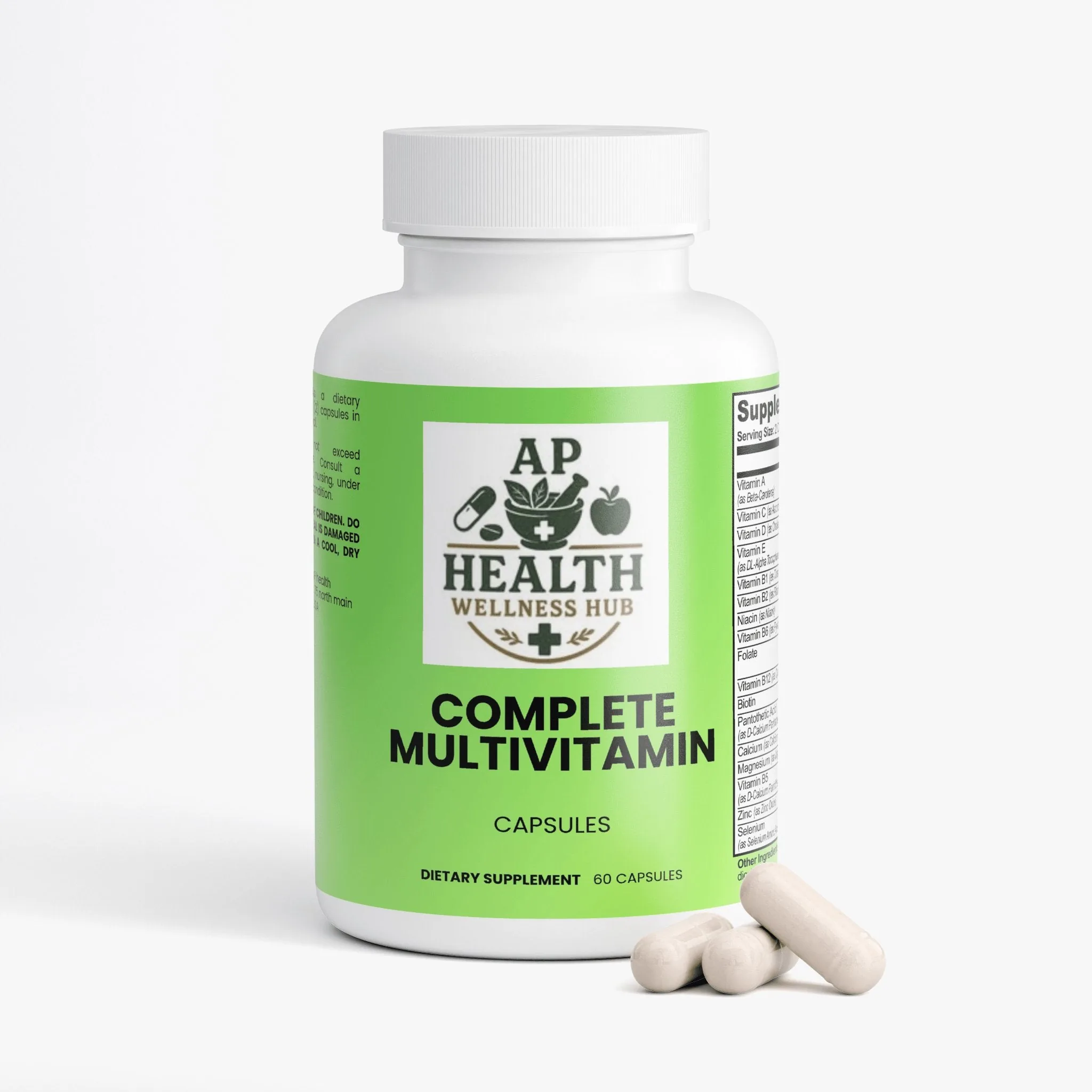
AP Health Wellness Hub is a sensible first stop because the store focuses on everyday wellness and gives shoppers a direct place to review product details. If you want broader daily coverage, its Complete Multivitamin is described as containing a full B-complex along with antioxidants and immune herbs. Check the current label to confirm whether it fits your B12 goal.
That last step matters. Review the B12 form, amount per serving, and delivery method on the label. A product should not make you guess what you are taking. Look for the amount per serving, serving instructions, full ingredient list, and clear storage guidance.
Also check for quality signals. Independent testing can help confirm that a product matches its label and does not contain unsafe contaminants. Good manufacturing practice, often shown as GMP or cGMP, describes rules for making and checking dietary supplements. It does not prove that a product will fix fatigue.
Step 2: Confirm a Deficiency With Medical Testing
Use vitamin B12 supplements after you have a clear reason, not as a guess based on tiredness alone. Fatigue can come from poor sleep, low food intake, anemia, stress, thyroid disease, or many other causes.
Possible B12 deficiency symptoms include weakness, numbness, tingling in the hands or feet, balance trouble, lightheadedness, sore areas in the mouth, a smooth or inflamed tongue, and changes in thinking or mood. These signs overlap with other conditions, so they cannot confirm a deficiency by themselves.
Risk is higher if you follow a vegan or very restricted diet. Older adults may absorb less B12 because stomach acid and intrinsic factor can decline with age. Pregnancy raises nutritional needs, while digestive disorders, bariatric surgery, metformin, acid-reducing medicines, autoimmune gastritis, and other absorption problems can also matter.
Ask a health professional which tests fit your situation. Total serum B12 is often the first test. If the result is unclear, a clinician may consider active B12, methylmalonic acid, or homocysteine. Pregnancy can change how total B12 is read, so active B12 may be preferred in that setting.
B12 testing involves more than one consideration: no single test works as a perfect answer in every case. Your symptoms, diet, medical history, and lab results need to be read together. A complete blood count may show clues such as enlarged red blood cells, but a normal blood count does not rule out nerve-related deficiency.
Do not start a high-dose product right before testing unless your clinician tells you to. Supplements can change blood results and make the cause harder to sort out. If a deficiency is confirmed, treatment depends on its cause and severity. Some people need an oral plan. Others may need a prescription product or injections.
Bring a photo or list of every supplement and medicine you take. That small habit gives your clinician a better view of total intake and possible interactions.
Step 3: Choose the Right Vitamin B12 Form
Compare both the chemical form and the way you take it. Vitamin B12 supplements may contain methylcobalamin, cyanocobalamin, hydroxocobalamin, or adenosylcobalamin. They may come as a swallowed tablet, sublingual tablet, lozenge, gummy, liquid, spray, or injection.
Methylcobalamin appears often because it is a bioavailable form. Check the full facts panel rather than relying only on the front label. That does not mean every person needs methylcobalamin.
Cyanocobalamin is a well-known form used in supplements and fortified foods. Methylcobalamin is another form used in many current products. Hydroxocobalamin is often used in clinical care, while adenosylcobalamin is another naturally occurring form. Your clinician can help pick one when you have a diagnosed problem or a known absorption issue.
Sublingual means the tablet dissolves under your tongue. Lozenges and liquid drops may use a similar mouth-based approach. They can suit people who dislike swallowing pills. Do not assume sublingual always wins.
| Label detail | What it tells you | What to check before buying |
|---|---|---|
| Methylcobalamin | The listed B12 form is methylcobalamin. | Confirm the dose and serving directions. |
| Cyanocobalamin | The listed B12 form is cyanocobalamin. | Ask your clinician if you have a reason to prefer another form. |
| Sublingual tablet or lozenge | The product is meant to dissolve in the mouth. | Follow the label. Do not swallow it whole unless directed. |
| Gummy or liquid | The product uses a format some people find easier. | Check added sugar, sweeteners, and serving size. |
| Unstated form | The label does not give enough detail. | Choose a clearer product or ask the seller. |
Check the disclosed amount and serving directions rather than assuming the biggest number offers the best value.
If energy is your main concern, keep the goal specific. AP Health Wellness Hub also publishes guidance on how to use natural energy booster supplements, but B12 should not replace sleep, enough food, or a medical check when symptoms persist.

Step 4: Set a Safe Dose and Daily Schedule
Set the dose from your age, diet, lab results, and reason for use. Do not copy a large serving from a friend or assume a high dose works faster.
For US adults, the recommended daily amount is 2.4 micrograms. It rises to 2.6 micrograms during pregnancy and 2.8 micrograms during lactation. Those figures describe daily needs, not the treatment dose for a diagnosed deficiency. Supplement labels may show much larger amounts because only part of an oral dose is absorbed.
The right treatment dose can be far higher than the daily requirement when a clinician is correcting deficiency. The cause matters. A diet gap may respond to food or an oral supplement, while poor absorption may need a different plan. Older adults should ask for personal guidance rather than choosing a dose based only on age.
Take B12 at the time you can repeat each day. Morning works well for people who feel more alert after taking it. Some people report that taking B12 late affects sleep, so move it earlier if you notice that pattern.
Food is usually optional unless the label says otherwise. A small meal can make a supplement easier on your stomach. If you use a multivitamin, check its B12 amount before adding a separate product. This prevents accidental stacking.
Pay close attention to folate. High folic acid intake can mask signs of B12 deficiency, which may delay care for nerve problems. Also review your full B-complex, since high doses of other B vitamins can carry their own risks.
There is no good reason to chase a megadose for a normal lab result. Pick the smallest plan that meets your stated goal and your clinician’s advice.
Step 5: Take and Evaluate Vitamin B12 Supplements Safely
Use vitamin B12 supplements as one part of a plan, then check whether the plan is helping. Keep a simple note of the product, dose, time, and any symptoms.
Read the serving directions before your first dose. Let a sublingual product dissolve if the label says to do so. Do not take extra servings because you missed one unless a health professional tells you to. Store the product as directed, since heat and moisture can affect some supplements.
Most people tolerate B12 well. High amounts may still cause nausea, stomach upset, or loose stools. Stop and seek medical advice if you develop a strong reaction, a new rash, severe stomach symptoms, or worsening tingling.
Seek care sooner if you have trouble walking, marked weakness, confusion, or numbness that spreads. Nerve damage from a serious deficiency may not fully reverse when treatment starts late. Do not use a supplement to delay an exam.
Review your routine after the time period your clinician recommends. Ask whether repeat blood work is needed. A change in energy alone does not prove that B12 was the cause, and no change does not prove the product failed. The dose, absorption, sleep, diet, and original diagnosis all affect the result.
AP Health Wellness Hub keeps its wider selection focused on simple wellness routines. If you are comparing products for several goals, browse the wellness supplements collection only after you know which nutrient or use case you need. Start with one change. It is easier to spot what helps.
Vitamin B12 Supplements FAQ
Do I need vitamin B12 supplements every day?
You may need daily vitamin B12 supplements if you have a confirmed deficiency, follow a vegan diet, or have an absorption problem. Many adults with a varied diet do not need one. Ask a health professional before starting a high-dose plan, especially if fatigue or nerve symptoms led you to shop for B12.
Which form of vitamin B12 is best?
Methylcobalamin is a common choice, but no single form is best for everyone. Cyanocobalamin, hydroxocobalamin, and adenosylcobalamin also exist. Your choice should account for the reason you need B12, the dose, the delivery method, and your ability to follow the directions.
Is sublingual B12 better than a pill?
Sublingual B12 is not proven to be better for everyone than a swallowed tablet. Choose the form you can take correctly, unless your clinician recommends a specific route.
How much B12 should I take?
The US recommended daily amount for most adults is 2.4 micrograms, but treatment doses can be much higher. The right amount depends on your test results and the cause of low B12. Do not copy a 1,000 or 5,000 microgram serving without checking why that dose is being used.
Can vitamin B12 supplements cause side effects?
Vitamin B12 supplements are usually well tolerated, but high amounts may cause nausea, stomach upset, or loose stools. A new rash or worsening nerve symptom needs medical advice. Check the whole label too, since added B vitamins or herbs may cause risks that do not come from B12 itself.
Can I get B12 from plant foods?
Natural vitamin B12 is not found reliably in ordinary fruits, vegetables, or grains. Vegans usually need fortified foods or a supplement. Fortified foods must list B12 on the label. Foods such as fermented plant products or algae may contain variable amounts, so they should not replace a reliable source or medical advice.
Conclusion
Choose a clearly labeled product from AP Health Wellness Hub when it matches your need, but confirm suspected deficiency with a health professional first. Your next step is simple: review your diet and current labels, then ask for testing if you have risk factors or lasting symptoms.