

Best Turmeric Joint Support Options
Turmeric supplements differ in ingredients and formulation. This guide compares the listed products and explains the safety questions to discuss with a clinician before choosing one for joint symptoms.
1. Joint Support
Joint Support is a capsule blend made for people who move a lot, runners, desk‑workers, grandparents alike. It combines MSM, GlucosaGreen® vegetal glucosamine, Boswellia serrata, hyaluronic acid, and turmeric. The mix aims to keep cartilage sliding smoothly while soothing occasional stiffness.
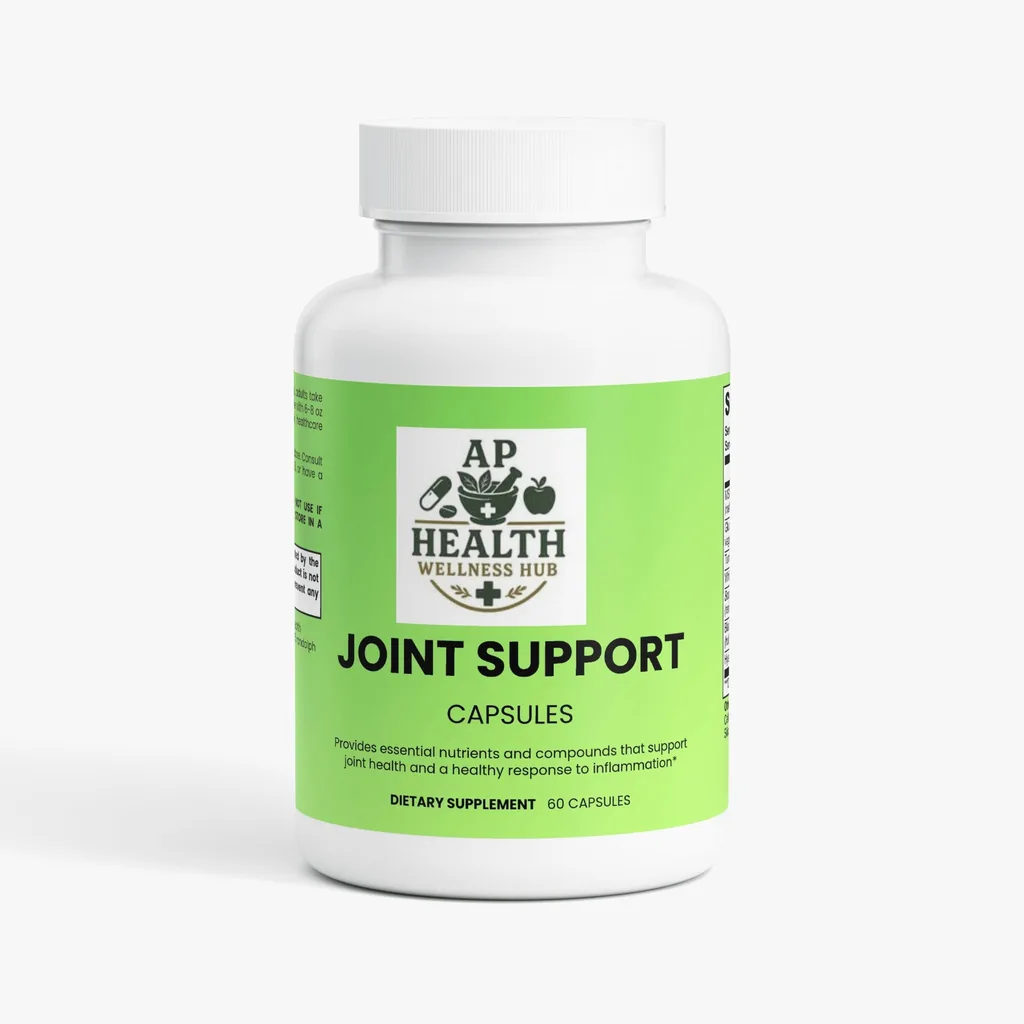
The formula is free of artificial additives, so you won’t taste chemicals. It’s made in the USA and ships for $49.90 per bottle. For active adults who need a daily habit, two capsules a day fits easily into a morning routine.
One caveat: the label does not list the exact curcumin percentage, so you can’t compare absorption tech directly.
We also talk about this blend in our broader guide to joint health for 2026. Best Natural Supplements for Joint Health (2026) breaks down why ingredients like Boswellia matter.
2. GLP-1 Support
GLP-1 Support is marketed for digestive and nutritional support. Its listed ingredients include magnesium, probiotics, digestive enzymes, ginger and peppermint. The current ingredient list does not include turmeric; this is not a turmeric joint-support formula.
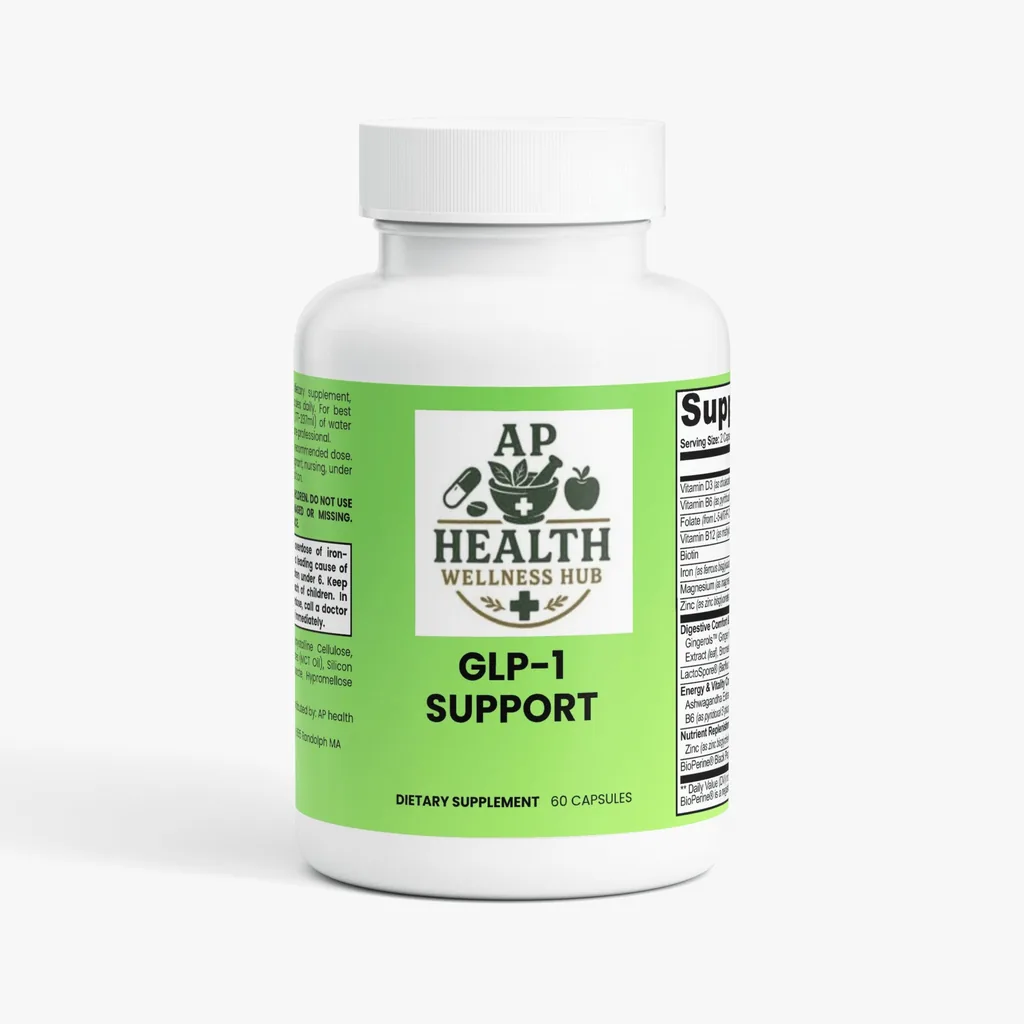
Confirm the current price, currency and instructions on the product page. Its digestive-support ingredients do not establish a benefit for joint pain or turmeric absorption.
Do not choose GLP-1 Support as a substitute for a turmeric product or prescribed joint treatment. Ask a clinician whether any supplement fits your health needs and medicines.
If you’re an athlete looking for a performance‑focused routine, see how this stacks up against other joint blends. Best Joint Support Supplement for Athletes outlines the extra benefits of added electrolytes.
3. Immune Support Complex
Immune Support Complex is a two‑capsule daily formula that bundles Vitamin D3, zinc, elderberry, and a touch of turmeric. The immune boost helps reduce systemic inflammation, which can lessen joint soreness over time.
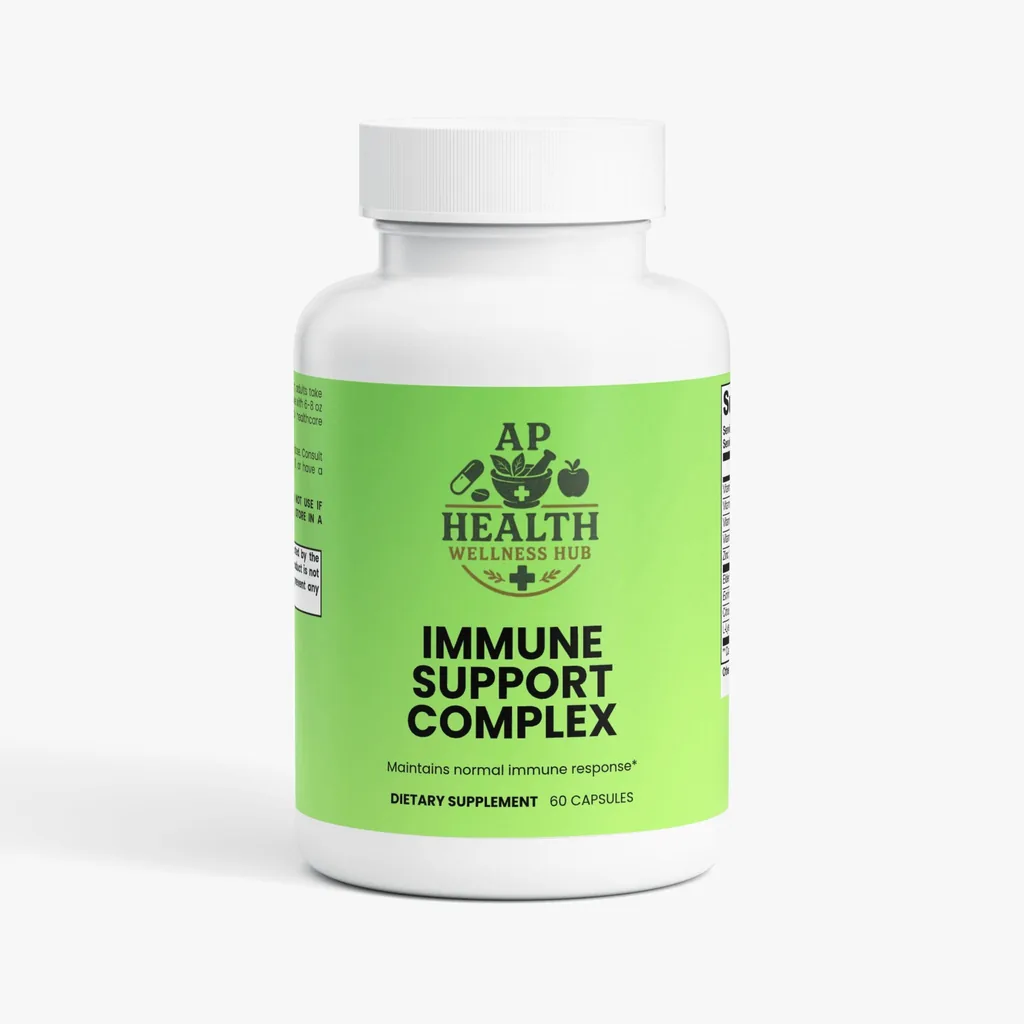
Pricing sits at $49.99 and the capsules are easy to swallow. It’s a good option for people who want joint care plus a daily immune safety net.
The downside: turmeric is a secondary ingredient, so the joint‑specific dose is modest compared with a dedicated joint blend.
For a quick how‑to on adding turmeric to meals, How to Use Turmeric for Anti‑Inflammatory Benefits walks you through cooking tips and timing.
Turmeric Joint Support Comparison: Ingredients, Format, and Best-Fit Use Cases
| Product | Key Ingredients | Form | Best‑Fit Use Case |
|---|---|---|---|
| Joint Support | MSM, GlucosaGreen® glucosamine, Boswellia serrata, hyaluronic acid, turmeric | Capsule | Active adults needing a full‑spectrum joint blend |
| GLP-1 Support | Magnesium, probiotics, digestive enzymes, ginger, peppermint | Capsule | Digestive support; not a turmeric joint formula |
| Immune Support Complex | Vitamin D3, zinc, elderberry, turmeric | Capsule | People seeking joint relief plus daily immunity support |
Joint Support lists turmeric powder. GLP-1 Support does not list turmeric. Do not assume that a digestive or immune-support product has the same ingredients or evidence as a joint-support formulation.
NCCIH's turmeric review finds encouraging early evidence for some knee-osteoarthritis symptoms, but says better studies are needed before firm conclusions can be drawn.
What to Look For Before Buying Turmeric Joint Support
First, check the formulation and ingredient amounts. A higher curcumin percentage or greater absorption does not, by itself, establish a better clinical result.
Second, verify that the label lists a clear dosage. Some brands hide the amount, making it hard to compare.
Third, watch for extra joint‑friendly ingredients, glucosamine, MSM, and Boswellia often add real value.
Fourth, consider the capsule size. Large caps can be hard to swallow, especially if you take them twice a day.
Fifth, read third‑party testing notes. Independent labs can confirm purity and the absence of heavy metals.
If joint pain persists despite supplements, a professional assessment may be needed. Knee‑pain consultations in North London and Woking offer hands‑on evaluation and personalized therapy options.
FAQ: Turmeric Joint Support
Can turmeric supplements replace NSAIDs for joint pain?
Do not replace or add to prescribed treatment without discussing it with the treating clinician. Turmeric products have uncertain benefits and can interact with medicines.
How long does it take to feel a difference?
There is no established response time that applies to every product or person. If joint symptoms persist or worsen, seek a clinical assessment rather than increasing the supplement dose.
Is it safe to take turmeric if I’m on blood thinners?
Ask the clinician who manages your anticoagulant before using turmeric or another herbal supplement. The exact product and your other medicines matter.
Do I need to cycle off turmeric supplements?
A cycling schedule does not establish safety. NCCIH describes limited short-term safety data for conventional formulations, while absorption-enhanced products require particular caution. Supplement use during pregnancy may be unsafe.
Can I take more than the suggested dose for extra benefit?
Do not exceed the product instructions. Stop taking the supplement and seek medical advice if symptoms such as dark urine or yellowing skin or eyes develop. Do not treat a higher dose as a way to improve the result.
Conclusion
Compare the current ingredient labels with your clinician before choosing a supplement. Product names and ingredient combinations do not establish that a formula will relieve your joint symptoms.
Ready to put this into practice? AP Health Wellness Hub was built for exactly this.