

Best Options for Mushroom Supplement Quality
Hey, a mushroom label can look polished and still leave you with questions about what’s inside. Mushroom supplement quality comes down to details you can check, such as the named species, ingredient amounts, and testing records. Here are five options from AP Health Wellness Hub, plus a plain checklist for weighing their formats and label details.
We analyzed 73 comments and questions from YouTube, Reddit and Quora about mushroom supplement quality and found that 36% mentioned their personal experiences with health benefits.
1. Fermented Mushroom Blend
The Fermented Mushroom Blend is a powder with six types of organically grown, fermented mushrooms in a full-spectrum blend. Check it out if you want a mushroom-only format rather than a coffee or gummy, and add a fermented blend to your routine if that fits your preferences.
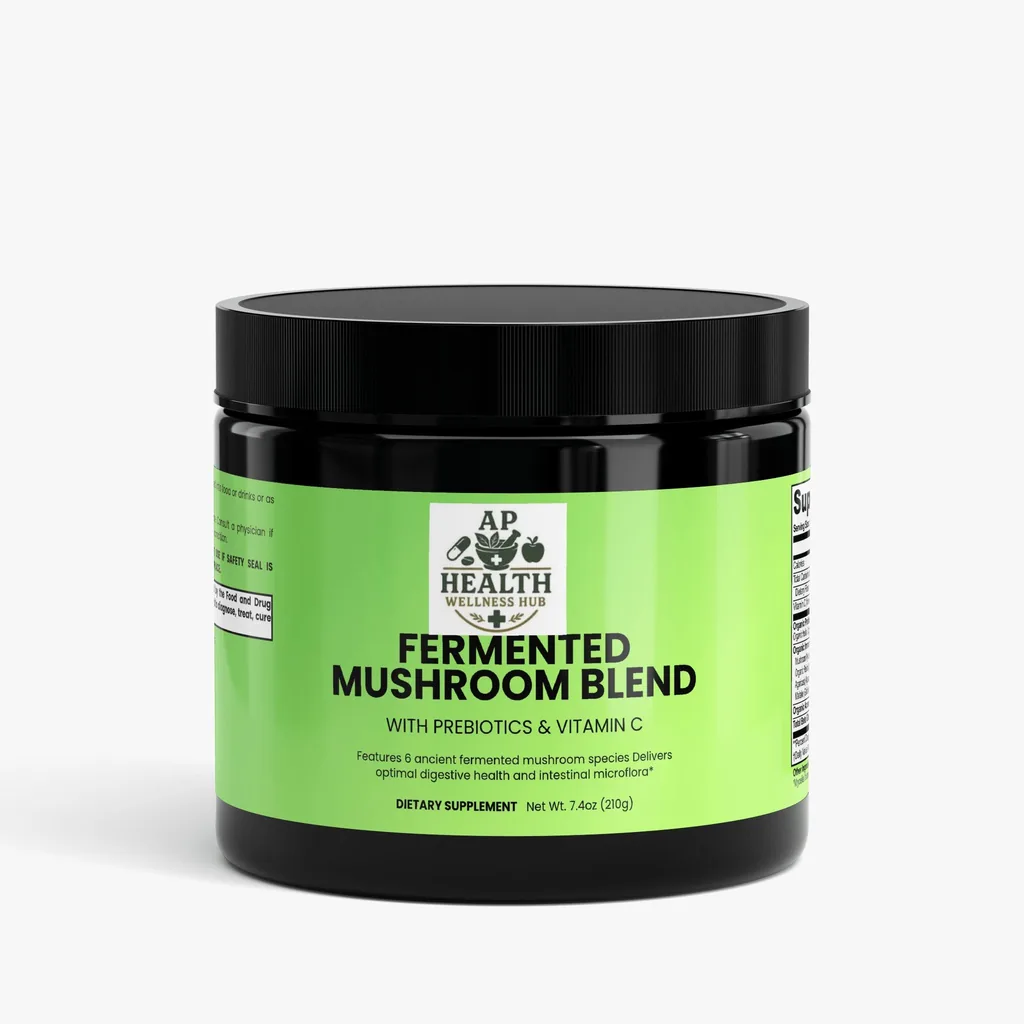
It contains 210 g (7.4 oz) and costs $51.90. The product description says fermentation is used to support digestion and absorption. That describes the product’s intended approach, not proof of a health outcome for every person.
A useful quality detail is that the description names the count of mushroom types and says they’re fermented and organically grown. Those phrases don’t replace a full ingredient panel or a batch test report. If you’re comparing options, look for each species by name and ask what the product’s full-spectrum wording means in practice.
For any supplement, check the suggested use and warnings on the current package before taking it. This product carries the standard warning that it isn’t intended to diagnose, treat, cure, or prevent disease. If you’re pregnant, nursing, taking medicine, or managing a health condition, ask a qualified health professional before starting a new supplement.
Fermentation is one processing approach. It’s different from hot-water extraction or dual extraction, so don’t treat those terms as interchangeable. The method alone also can’t tell you the amount of a specific compound in the finished product.
If you want to compare the ingredient panel with serving size and warnings, our supplement label reading guide walks through those checks. A simple habit helps: read the full label before you focus on the front-of-pack claims.
2. Mushroom Fuse Instant Coffee (Medium Roast)
Mushroom Fuse Instant Coffee (Medium Roast) combines instant coffee with Lion’s Mane and Chaga mushroom powders. It suits someone who wants a coffee-based format that’s easy to prepare, and bring it into your morning routine if an instant drink is a better fit than capsules or loose powder.
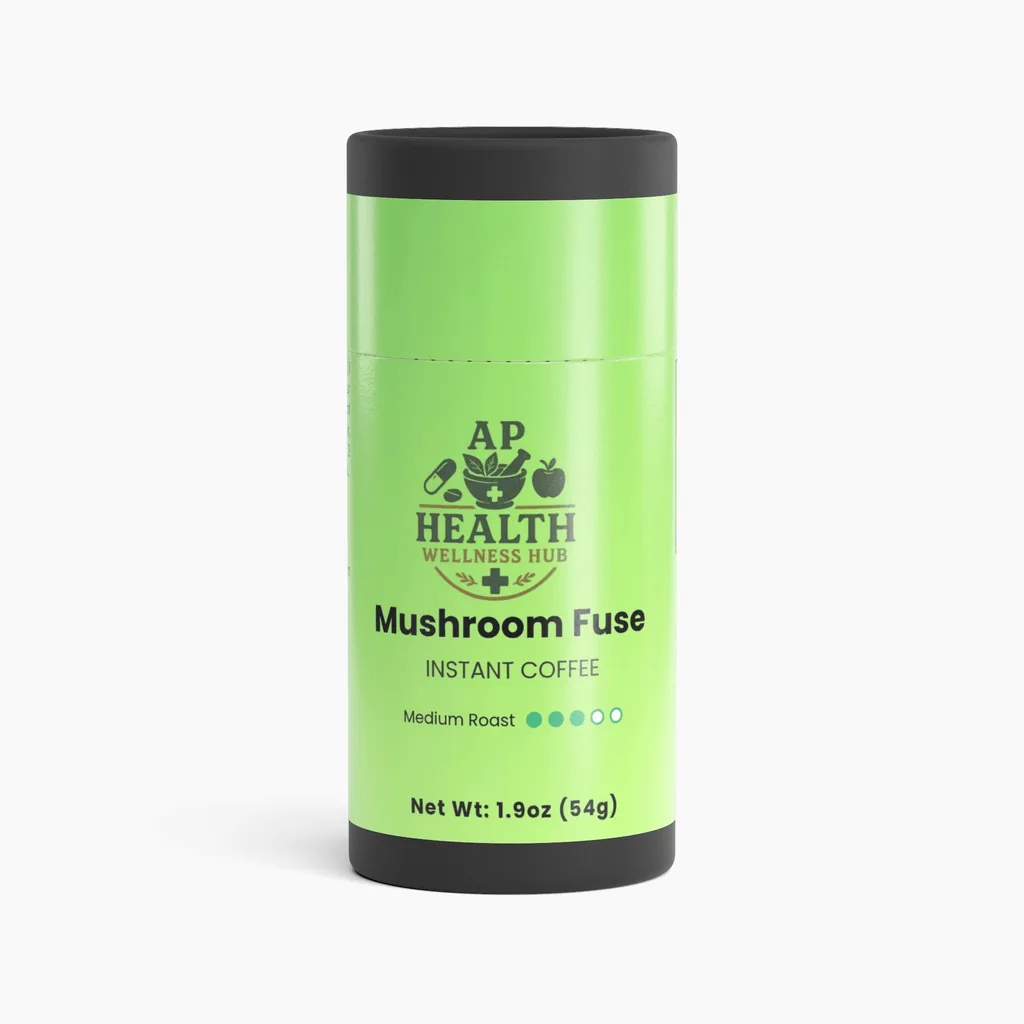
The 54 g (1.9 oz) product costs $49.50. Its blend is described as containing 70% Papua New Guinea instant coffee, alongside beans from Brazil and Mexico. The product details name Typica and Bourbon varietals and describe the acidity level as low.
That ingredient breakdown helps you understand that coffee makes up most of this blend. The product page describes Lion’s Mane and Chaga as powders, but those words don’t give a standardized mushroom dose. If a product’s mushroom amount matters to your choice, look for an amount per serving rather than relying on a broad phrase such as “functional blend.”
The catalog suggests using two scoops for a richer taste or blending it with milk. That’s a flavor suggestion, not a reason to change serving directions on the package. Follow the current label for use and check the coffee’s caffeine content if you’re limiting caffeine.
Choose this format for the convenience of instant coffee. Choose a mushroom-only product if you want to keep coffee out of the equation.
3. Vitality Mushroom Coffee (Medium Roast)
Vitality Mushroom Coffee (Medium Roast) blends roasted Arabica coffee with organic Lion’s Mane and Chaga powders. It’s for people who prefer a brewed coffee routine, and make it part of your coffee ritual if a ground format suits your kitchen better than instant coffee.
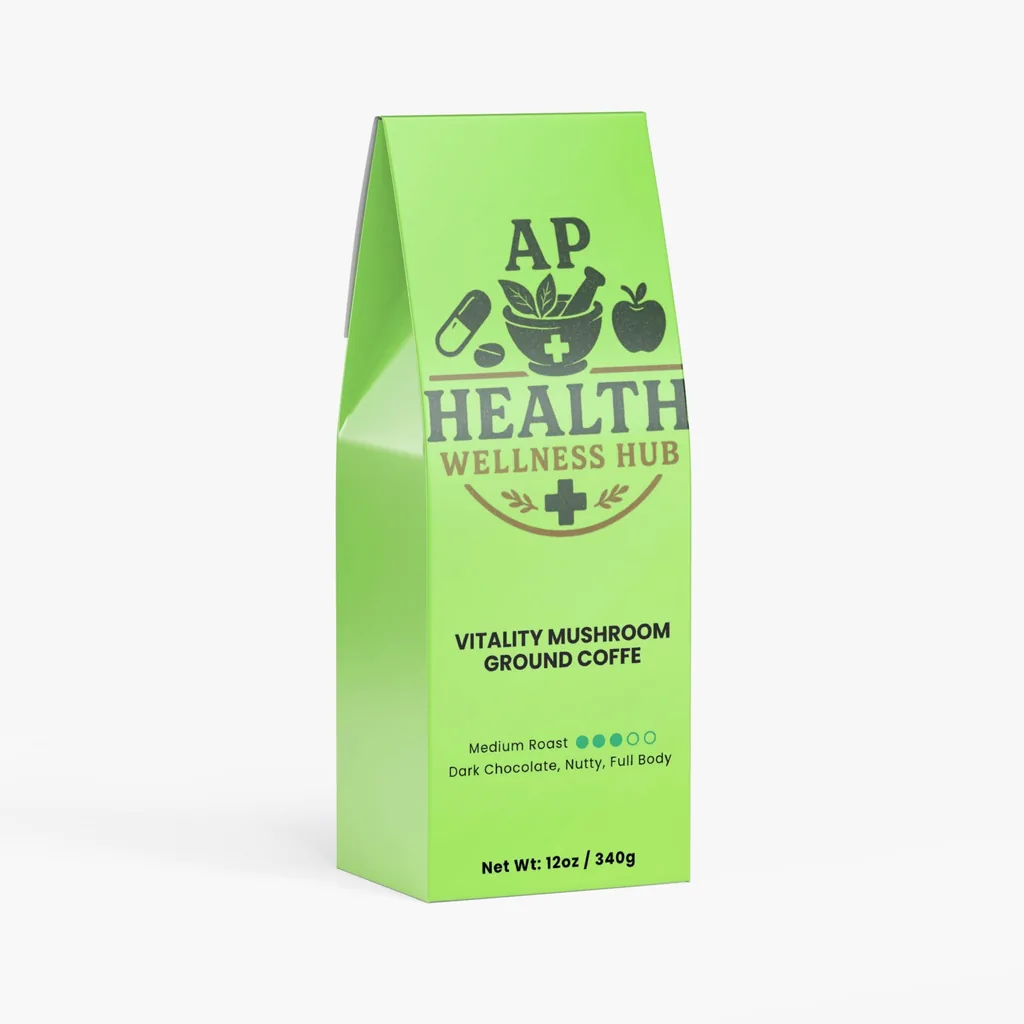
The 340 g (12 oz) bag costs $54.50. The catalog gives a clear blend ratio: 90% roasted Arabica, 5% organic Lion’s Mane, and 5% organic Chaga. It also names Brazil and Mexico as coffee origins and says the product is manufactured in the USA.
That ratio is a useful comparison point because it shows how much of the blend comes from coffee and how much from mushroom powders. It doesn’t tell you the beta-glucan content or an extract ratio. Those are separate details to check if you’re comparing products for specific quality markers.
“Organic” on an ingredient description can be useful, but it isn’t the same as seeing a named certification and knowing what it covers. If certification matters to you, look for the certifier and product scope on the package or supporting records. You can also compare the blend percentage against the serving directions instead of judging by the front label alone.
The key distinction is simple: Vitality is a ground coffee blend with 10% mushroom powders in its stated formula.
4. Cordyceps Energy Gummies
Cordyceps Energy Gummies are strawberry-flavored gummies with Cordyceps extract and a blend of other ingredients. They may suit you if you prefer a chewable format over brewing a drink or mixing powder, and choose a portable gummy format when that makes a daily routine easier.
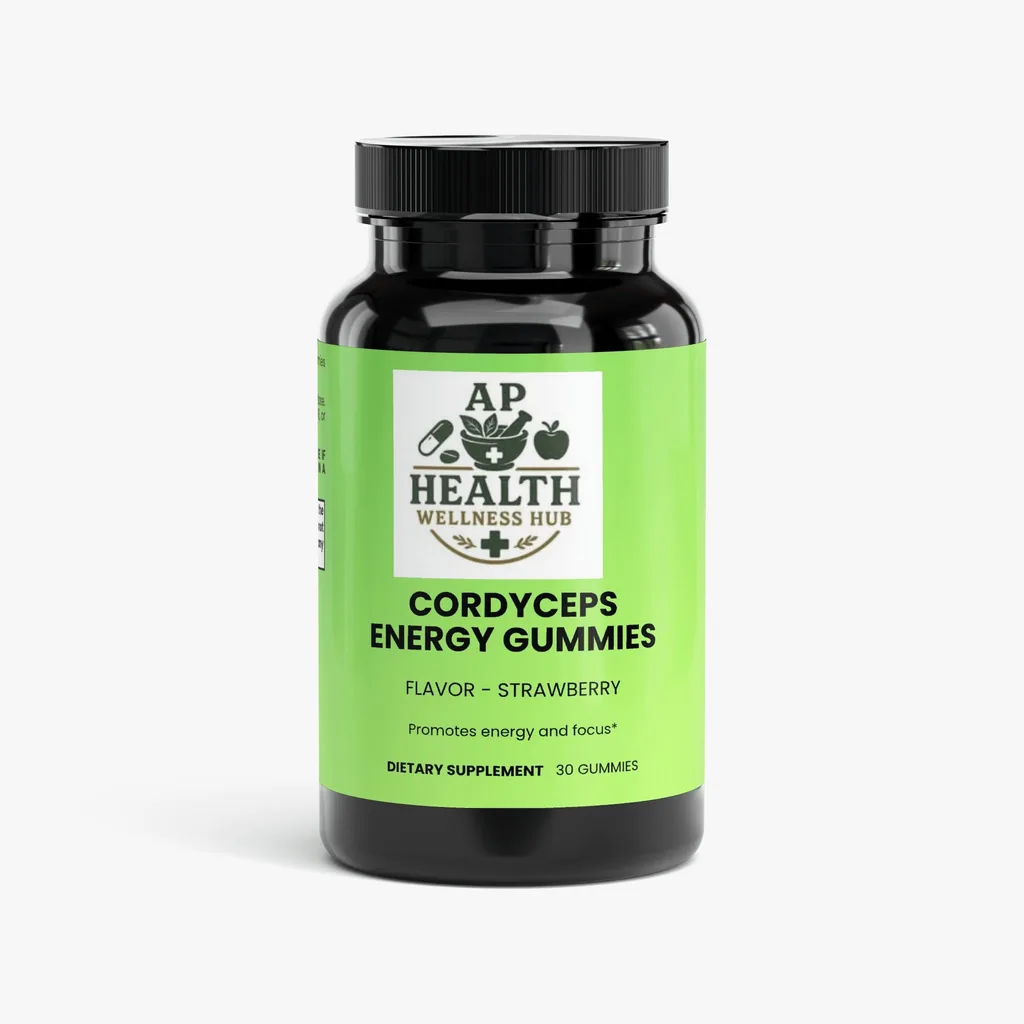
The 136 g (4.8 oz) product costs $39.50. The catalog names Cordyceps extract at 200 mg and also names GABA, Ginkgo Leaf, L-Glutamine, and DMAE. That’s a multi-ingredient formula, so check the current Supplement Facts panel for the full amounts and directions before use.
In the mushroom section of the label, look for the Cordyceps species and the form of the ingredient. “Cordyceps extract” gives you a format, but by itself it doesn’t explain the extract ratio or identify the species. A clear label makes those distinctions easier to judge.
The product description positions the gummies around energy and normal mental performance. Those are intended support claims, not proof of a treatment effect. Since the formula includes ingredients beyond Cordyceps, check the full panel against your other supplements and medicines.
Follow the package directions rather than assuming that “two gummies” applies to every batch or version. If you have a medical condition, take medication, are pregnant or nursing, or have a known mushroom allergy, ask a clinician or pharmacist before trying it.
5. Reishi Calm Drops
Reishi Calm Drops are a liquid mushroom product led by Reishi extract. The described blend also contains Chaga, Maitake, Shiitake, and Turkey Tail. It may fit someone who prefers a liquid format, and consider drops for a simple way to add a mushroom blend to an existing routine.
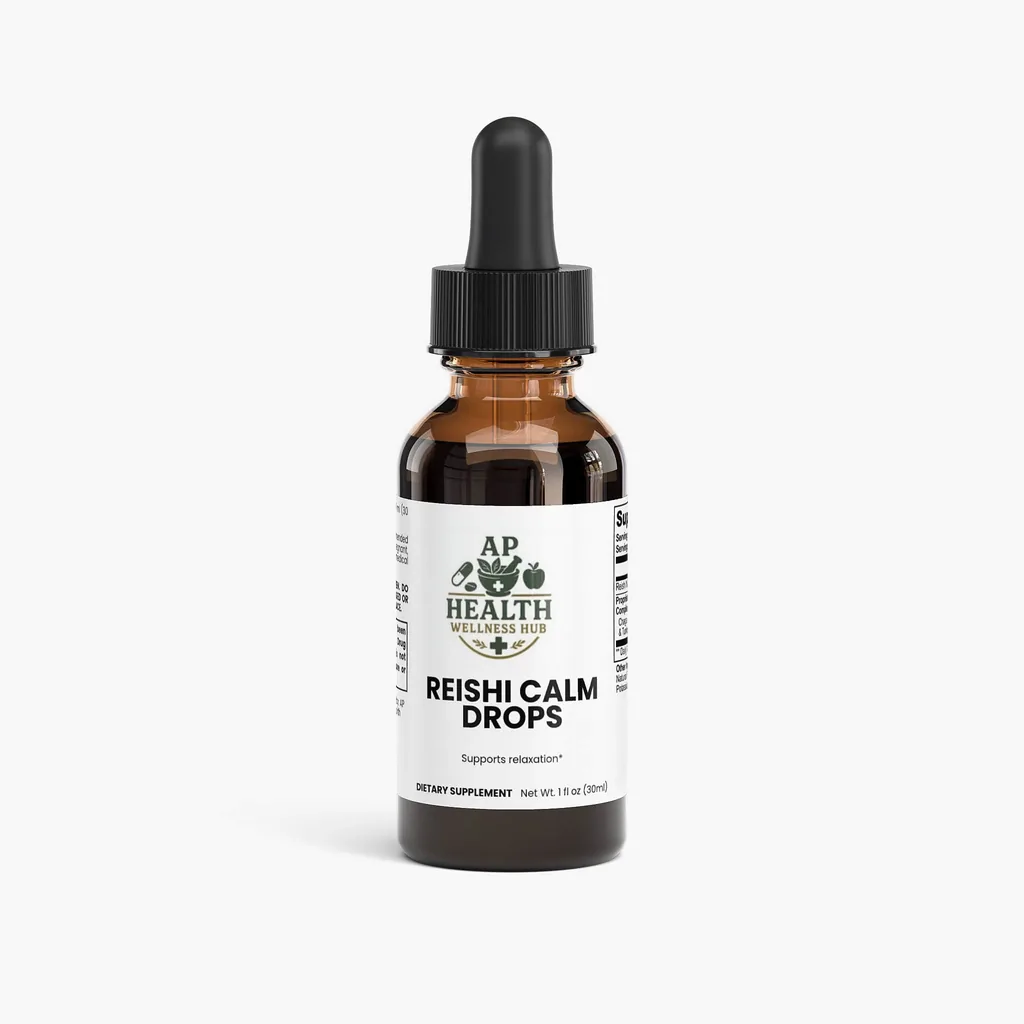
The product costs $29.90 and is manufactured in the USA. Its description says the drops are naturally sweetened with stevia and have no added sugar. Those are useful format and ingredient details, though they don’t tell you the amount of each mushroom.
The named species help you see which mushrooms are included. For a closer comparison, check the Supplement Facts panel for the amount of each ingredient and the serving size. If the product uses a blend total, remember that a combined amount doesn’t show how much of each mushroom is present.
Reishi is often associated with relaxation in wellness marketing. The name alone doesn’t establish a calming effect, and a liquid format doesn’t prove faster absorption. Use the product’s own directions, and ask a health professional about possible interactions if you take medication or manage a condition.
This option is a better match for someone who values a liquid blend than for a shopper who wants a single mushroom with a clearly stated amount. Make the choice based on the label and the routine you can maintain.
How the Five Mushroom Products Compare
Each product fits a different daily habit. Compare what you get in the format, then check whether the label answers your quality questions. Price is one part of that decision, but it can’t tell you how much of a mushroom extract or active compound is in a serving.
| Product | Format and named mushrooms | Best routine fit | Price |
|---|---|---|---|
| Fermented Mushroom Blend | Powder; six types of fermented mushrooms | Mushroom-only blend | $51.90 |
| Mushroom Fuse Instant Coffee (Medium Roast) | Instant coffee with Lion’s Mane and Chaga powders | Quick coffee preparation | $49.50 |
| Vitality Mushroom Coffee (Medium Roast) | Ground coffee with Lion’s Mane and Chaga powders | Brewed coffee routine | $54.50 |
| Cordyceps Energy Gummies | Gummies with Cordyceps extract and other ingredients | Chewable format | $39.50 |
| Reishi Calm Drops | Liquid Reishi-led mushroom blend | Liquid format | $29.90 |
If coffee is already part of your day, compare the two coffee blends by preparation and stated formula. If you want no coffee, look at the powder, gummies, or drops. Before settling on one, read the back label and decide whether its ingredient detail is enough for you.
Mushroom Supplement Quality Checklist: Details to Verify Before Buying
A product’s front label can tell you what it wants you to notice. The back label and batch records are where you can check the details that support a quality decision. This short list keeps the comparison focused on evidence rather than marketing language.
- Species and mushroom part: Look for the full species name and whether the ingredient is fruiting body, mycelium, or both. The common names matter too: Reishi is often positioned for relaxation; Lion’s Mane for cognition; Cordyceps for energy; Chaga for general wellness; and Turkey Tail for immune support. These are common claims, not guaranteed results.
- Processing method: Check whether the label says powder, hot-water extract, dual extract, or fermented. Hot-water extraction uses water to process the mushroom; dual extraction generally uses more than one solvent approach. The terms describe processing, not a proven benefit on their own.
- Amount and active compounds: Find the serving size and amount per serving. If beta-glucans are a selling point, look for a measured amount or percentage and ask how it was tested. A blend total cannot show each mushroom’s individual amount.
- Ingredient transparency: Read the full list, including added ingredients. For a blend, check whether each mushroom has its own amount or sits inside a combined total.
- Independent testing: Look for a batch-specific Certificate of Analysis (COA), which is a lab report tied to a production lot. Check the lab name, test date, batch number, and whether it covers potency and contaminants. The Minnesota Department of Agriculture’s mushroom product safety guidance is a government resource for retailers handling mushroom products.
- Certification and safety: Treat “organic” and “GMP” as claims to verify. Look for the certifier or manufacturing standard, then check what the claim applies to. Read cautions and keep the supplement’s intended-use disclaimer in view. Ask a clinician or pharmacist if you’re pregnant, nursing, taking medicine, or managing a health condition.
Ready to find a format that fits your routine? Browse the mushroom options at AP Health Wellness Hub and start with the product whose ingredients and form make sense for you.
FAQ
What should I look for in a mushroom supplement?
Look for the full mushroom species name, the part used, the processing method, and the amount per serving. Then check whether the label gives beta-glucan figures or links to a batch-specific lab report. A named certification can support a claim, but the certifier and scope matter. Also read the directions and safety notes before buying.
Does mushroom extract mean a supplement is higher quality?
No, the word “extract” alone doesn’t prove that a supplement is higher quality. Check the mushroom species and part, the extraction method, and the amount per serving. If a brand makes a potency claim, look for a test report that identifies the batch and the compounds tested. Extraction is one useful detail, not a full quality verdict.
Are mushroom supplements safe to take every day?
Daily use depends on the ingredients, directions, your health, and any medicines you take. Follow the product label and don’t assume that a routine used for one mushroom applies to another. If you’re pregnant, nursing, have a health condition, or use prescription medicine, ask a clinician or pharmacist to review the exact product first.
What does a mushroom supplement COA show?
A Certificate of Analysis can show results for a specific production batch. Check that its lot number matches your package, and look for the lab name, test date, and the tests performed. A report may cover potency, contaminants, or both, so read its scope rather than treating a pass result as proof of every quality claim.
Conclusion
For an easy daily choice, start with the format you’ll use and the label details you can verify. If you want a fermented powder, take a closer look at Fermented Mushroom Blend; if coffee, gummies, or drops fit better, compare those options on the same checklist. Visit AP Health Wellness Hub to review the product details and choose one that suits your routine.