

Best Digestive Enzymes vs Probiotics
Feeling sluggish after meals or battling daily bloating? You’re not alone, and the right gut aid can change that. Below are three AP Health Wellness Hub picks that cover the main ways to support digestion, plus a quick way to see how they stack up.
1. Gut Health
Our Gut Health formula blends apple cider vinegar powder, prebiotic inulin, a probiotic strain (Lactobacillus acidophilus), and the DigeZyme® multi‑enzyme complex. The mix aims to feed beneficial bacteria while giving the body extra enzymes to break down food. If you notice occasional gas after a big meal, the enzymes can help turn carbs, fats, and proteins into absorbable nutrients faster.
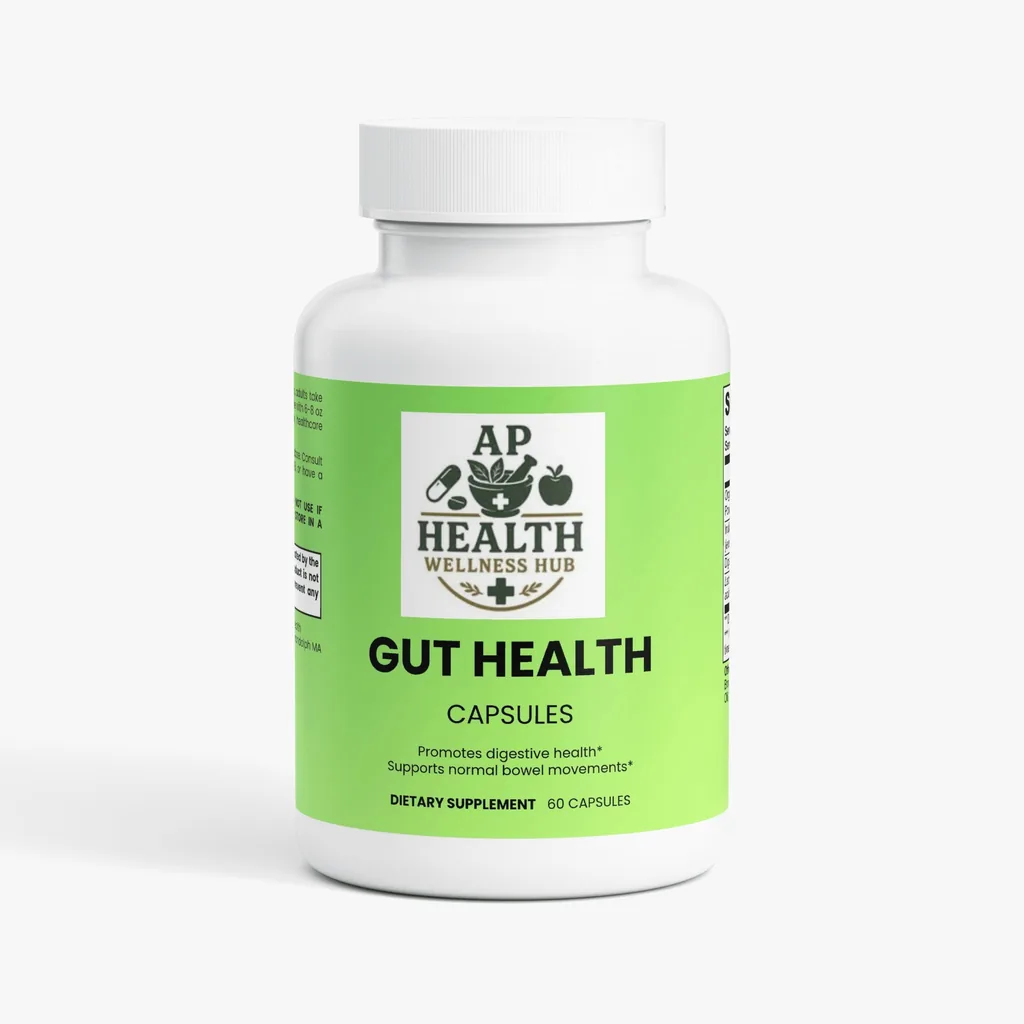
Who benefits? People who feel a heavy, sluggish post‑lunch feeling, or those with mild enzyme deficiencies diagnosed by a doctor. The probiotic part also supports a balanced microbiome, which can ease occasional bloating.
Two capsules a day are all it takes. The blend is made in the USA, priced at $49.99, and comes in a 76 g bottle.
2. Probiotic 20 Billion
The Probiotic 20 Billion delivers a strong mix of Lactobacillus acidophilus, L. rhamnosus, B. lactis, and other strains in a vegan, vegetable capsule. Each serving supplies 20 billion CFU, enough to help restore a healthy bacterial balance after a course of antibiotics or a diet high in processed foods.
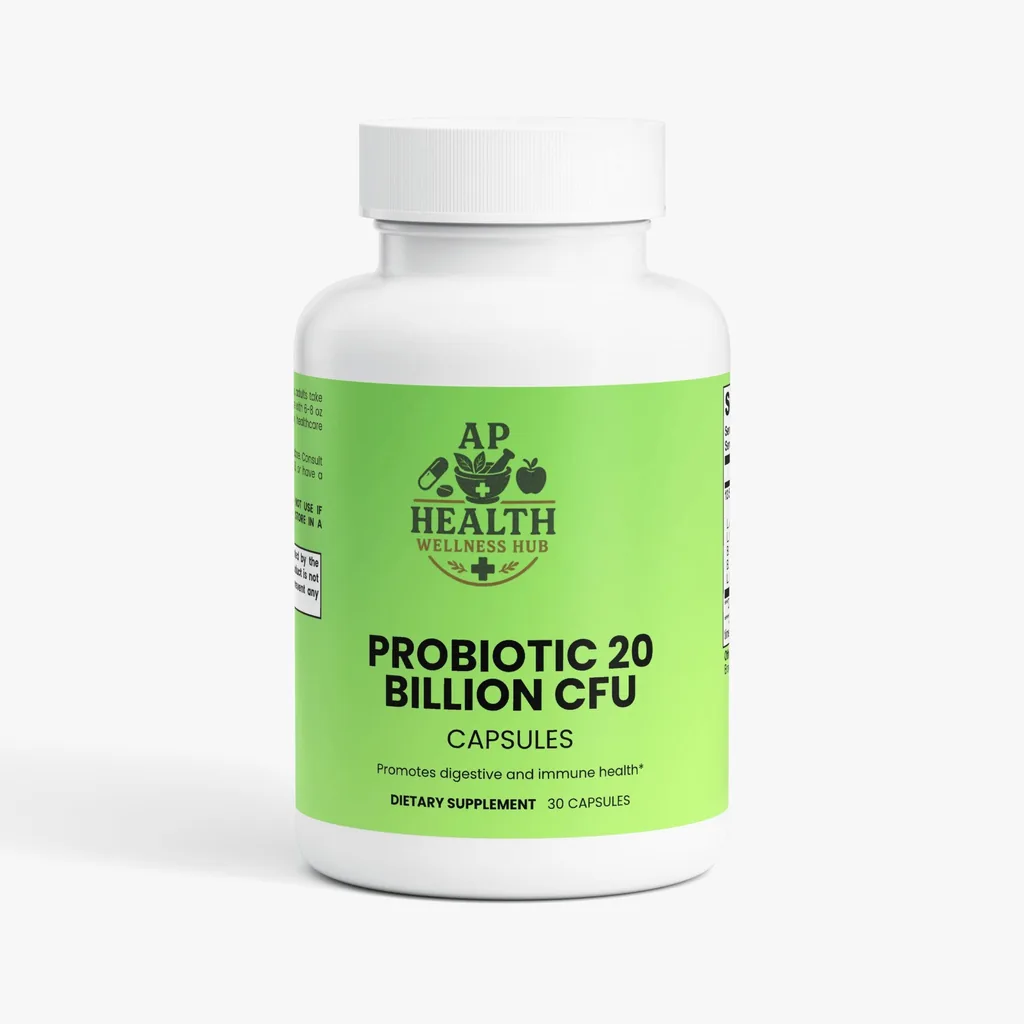
It’s a solid choice for anyone who deals with regular bloating, occasional constipation, or wants immune support from a thriving gut flora. The capsule format makes it easy to add to a morning routine.
Pricing is $19.95 for a 30‑capsule bottle, and the product is gluten‑free, non‑GMO, and made in the USA. Start with one capsule daily and watch your gut settle into a calmer rhythm.
3. Colon Gentle Cleanse
Our Colon Gentle Cleanse combines natural fiber, ginger root extract, and a light enzyme blend to promote regular bowel movements. The formula is designed for those who feel occasional heaviness or who simply want a gentle reset after a period of indulgent eating.

Best for people who need a short‑term boost to regularity without harsh laxatives. The sachet format makes it simple to mix into water or a smoothie.
The product ships from Latvia, costs $55.00 per 30‑sachet box, and aims to keep the colon moving smoothly while supporting overall digestion.
Digestive Enzymes vs Probiotics: Comparison Table
| Product | Type | Main Benefit | Best For | Price |
|---|---|---|---|---|
| Gut Health | Digestive Enzyme + Probiotic blend | Supports nutrient breakdown and gut bacteria | Post‑meal heaviness, mild enzyme deficiency | $49.99 |
| Probiotic 20 Billion | Probiotic | Repopulates gut flora, eases bloating | Regular bloating, post‑antibiotic recovery | $19.95 |
| Colon Gentle Cleanse | Fiber & Enzyme cleanse | Promotes regularity, gentle detox | Occasional constipation, need for reset | $55.00 |
Digestive enzymes break down food at the molecular level, while probiotics nurture the bacterial community that helps the body absorb those nutrients. This distinction matters when you choose a supplement based on your symptom pattern.
According to Wikipedia, the digestive system relies on enzymes produced in the mouth, stomach, and pancreas to turn food into absorbable molecules. When those enzymes lag, a supplement can fill the gap.
Research from Johns Hopkins Medicine notes that over‑the‑counter enzyme products vary in strength, and that they work best under medical guidance for diagnosed deficiencies.
For readers looking beyond supplements, peptide‑based therapies are emerging as a way to support gut repair and overall vitality. See Peptide Therapy Anti‑Aging Benefits Expert Guide for a deeper look at that option.
FAQ
Do digestive enzymes work faster than probiotics?
Yes, enzymes act on food as you eat it, so you may feel relief within the same meal. Probiotics need days to weeks to change the gut microbiome.
Can I take both a digestive enzyme and a probiotic?
You can, and many people do; the enzyme helps break down the meal while the probiotic supports long‑term bacterial balance.
Are there any side effects to enzyme supplements?
Side effects are rare but can include mild stomach upset if you exceed the recommended dose; always follow the label.
What should I look for on a probiotic label?
Check the CFU count (at least 10 billion is common) and the strain list; Lactobacillus and Bifidobacterium are well‑studied for gut health.
How often should I use a colon cleanse?
Use it only when you feel a temporary need for regularity; frequent use can disrupt natural fiber intake and gut flora.
Conclusion
For everyday support, start with the Gut Health blend, it covers enzymes and probiotics in one easy dose. Then add the Probiotic 20 Billion if you need extra bacterial balance, or the Colon Gentle Cleanse for a periodic reset. Grab the one that matches your main symptom and make it a regular part of your routine.