

Best Collagen vs Retinol: Which Is Better?
Trying to decide between collagen and retinol? Both promise smoother skin, but they work in very different ways. Below are three top products that let you test each approach in real life, plus a quick comparison so you can match the right option to your skin goal.
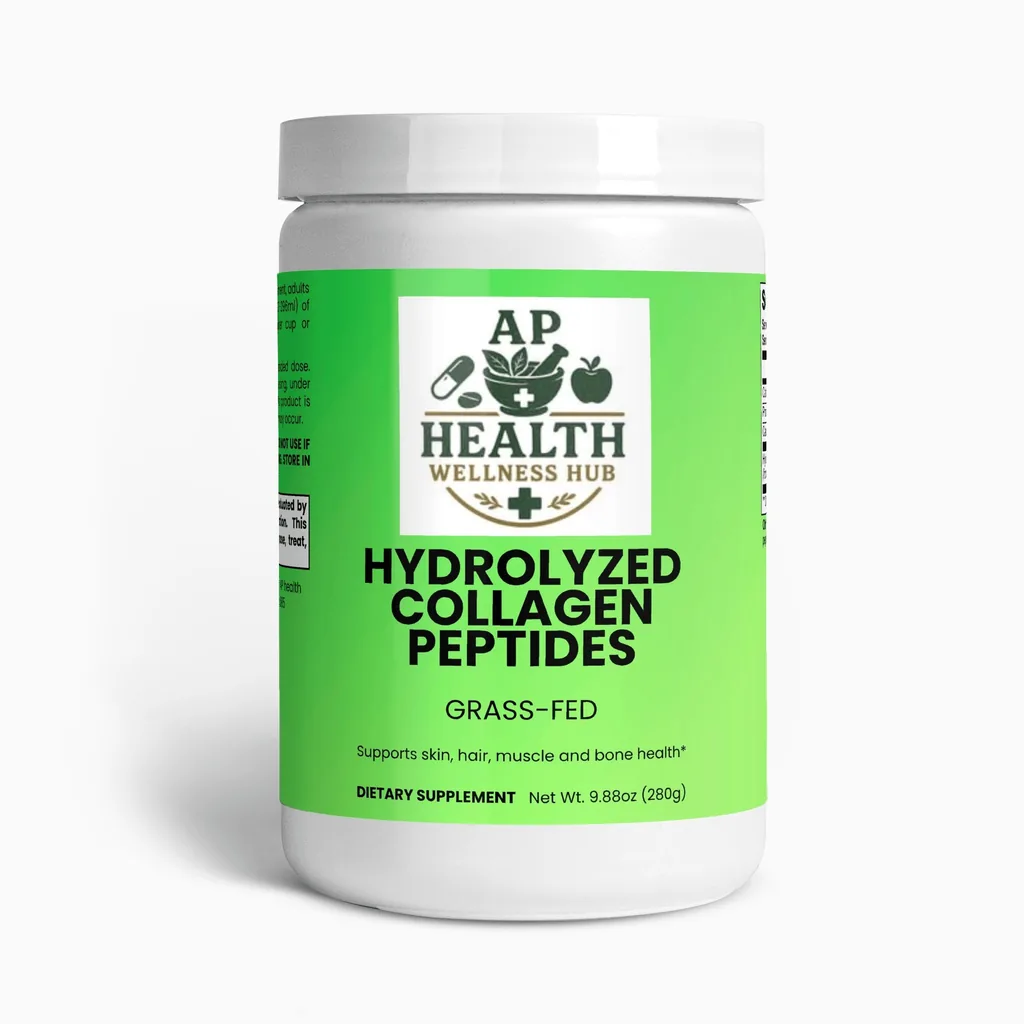
1. Grass-Fed Hydrolyzed Collagen Peptides
Our pick is a pure, unflavored powder that delivers collagen types 1 and 3, the forms most linked to skin elasticity and muscle health. One scoop a day mixes into coffee, smoothies, or water, so you never notice a taste shift. The hydrolyzed process breaks the protein into tiny chains, making absorption fast and efficient.
Who it’s best for: Anyone who wants a low‑irritation, inside‑out boost for skin, joints, or muscle recovery. Because it’s oral, it fits a morning routine without any extra skin‑care steps.
Why it earns a spot: Collagen is the most abundant structural protein in the body, and studies show that hydrolyzed forms improve skin hydration and elasticity after several weeks. This product supplies the key amino acids glycine, proline, hydroxyproline, and alanine that support the body’s own collagen synthesis. The brand sources beef from grass‑fed cattle, which limits exposure to hormones often found in grain‑fed meat.
Caveat: Oral collagen can cause mild stomach upset in a small number of users, especially if taken on an empty stomach.
Grass‑Fed Hydrolyzed Collagen Peptides cost $63.90 per 280 g container and are made in the USA.
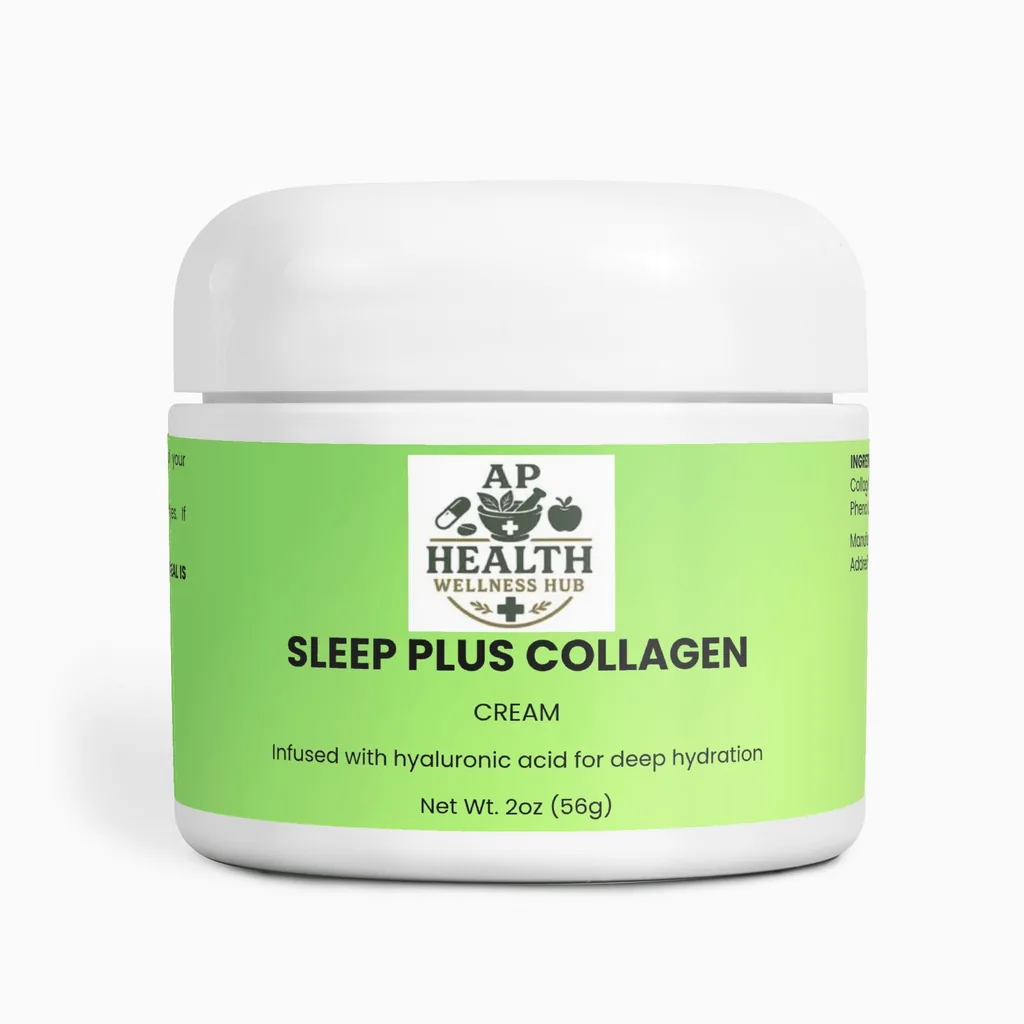
2. Sleep Plus Collagen Cream
This night‑time cream blends topical collagen with melatonin, hyaluronic acid, and lavender oil. You apply a small amount before bed, and the formula works while you sleep to hydrate and support elasticity.
Best for: Skin that tolerates retinol but needs extra moisture and a calming routine before bedtime.
Why it shines: The melatonin dose (2.4 mg per ¼ tsp) helps regulate the skin’s nightly repair cycle, while hyaluronic acid draws water into the epidermis for a plumper look. The added collagen peptide layer aims to smooth fine lines as you rest.
Caveat: Because the cream sits on the surface, it won’t reach the deeper layers that oral collagen can support.
At $52.99 a jar, it’s a modest addition to a nightly regimen. Sleep Plus Collagen Cream is made in the USA and suits all skin types.
Explore more skin‑supporting options in our health & beauty collection for complementary serums and moisturizers.
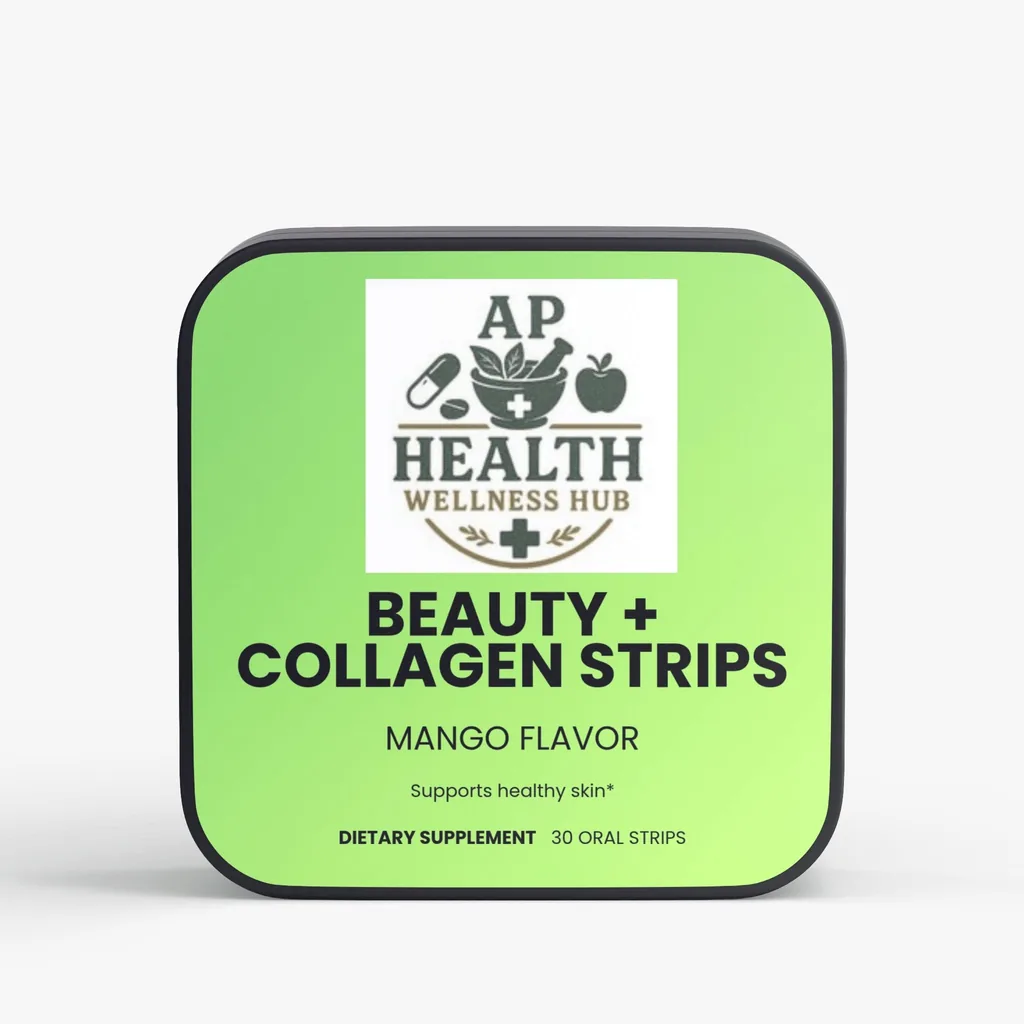
3. Beauty + Collagen Strips
These fast‑dissolving strips deliver hydrolyzed collagen peptides, biotin, hyaluronic acid, and vitamin E in a single, on‑the‑go dose. No powder, no capsule, just peel, place on the tongue, and let it dissolve.
Who it’s for: Busy adults who want a quick oral boost without mixing a drink. The strips also add biotin for stronger hair and nails.
Why it made the list: Each strip supplies 100 mg of collagen peptide plus skin‑hydrating hyaluronic acid, so you get both structural support and moisture retention. The mango flavor masks any chalky taste, making daily use effortless.
Caveat: The dose is lower than a full scoop of powder, so results may be subtler unless you pair it with other collagen sources.
Price is $49.90 per pack of 30 strips. Beauty + Collagen Strips are made in the USA.
For a deeper dive on which collagen powder tops the market this year, on Best Collagen Powder for Skin in 2026.
Collagen vs Retinol Comparison Table — Match the option to your skin goal
According to the Cleveland Clinic, retinol works by increasing skin cell proliferation and can cause a temporary “purge” as old cells shed, which explains its higher irritation profile.
FAQ: Collagen vs Retinol
Is collagen safe to take every day?
Yes, most people can use hydrolyzed collagen daily without serious side effects; the most common issue is mild stomach discomfort, which often eases when taken with food.
Can I use retinol and collagen together?
You can, but apply retinol at night and take collagen in the morning to avoid layering potential irritants on the skin.
How long does it take to see results from collagen supplements?
Visible improvements in skin hydration and elasticity typically appear after 4‑8 weeks of consistent use.
What age should I start using retinol?
Adults in their late 20s to early 30s often begin with a low‑strength retinol to address early fine lines while minimizing irritation.
Do collagen strips work as well as a powder?
Strips provide a smaller dose, so they may be less potent than a full scoop of powder, but they’re handy for on‑the‑go use and can complement a larger collagen regimen.
Conclusion
For an easy, low‑irritation routine that supports skin, joints, and muscle, start with our Grass‑Fed Hydrolyzed Collagen Peptides. If you need a faster, targeted anti‑aging boost, pair it with a retinol‑based night cream. Add the chosen product to your cart and begin the routine that fits your lifestyle today.
Ready to put this into practice? AP Health Wellness Hub was built for exactly this.